
The Evolving Path from Digital Creator to Filmmaker
The boundary between digital content creation and traditional cinema is becoming increasingly porous as platforms like YouTube serve as a training ground for a new generation of directors.
For years, the path to the film industry required formal education or entry-level positions within the studio system. Today, creators are utilizing accessible tools and global distribution platforms to build portfolios that rival professional showreels.
This shift is not merely about moving from one platform to another but involves a fundamental evolution in how stories are structured, produced, and marketed to a broader audience.
Bridging the Gap Between Platforms
The transition from producing episodic web content to feature-length projects requires a shift in technical and narrative focus. While YouTube often prioritizes fast-paced editing and direct-to-camera engagement to satisfy algorithm requirements, the big screen demands a more patient approach to visual storytelling.
As highlighted in recent industry analysis from No Film School, the jump to professional filmmaking often involves scaling up production value without losing the authentic voice that built the creator's initial following. This process typically requires a deeper understanding of cinematic lighting, advanced sound design, and collaborative workflows.
Applying Creator Workflows to Professional Production
One of the greatest advantages digital creators bring to traditional filmmaking is an inherent understanding of lean production.
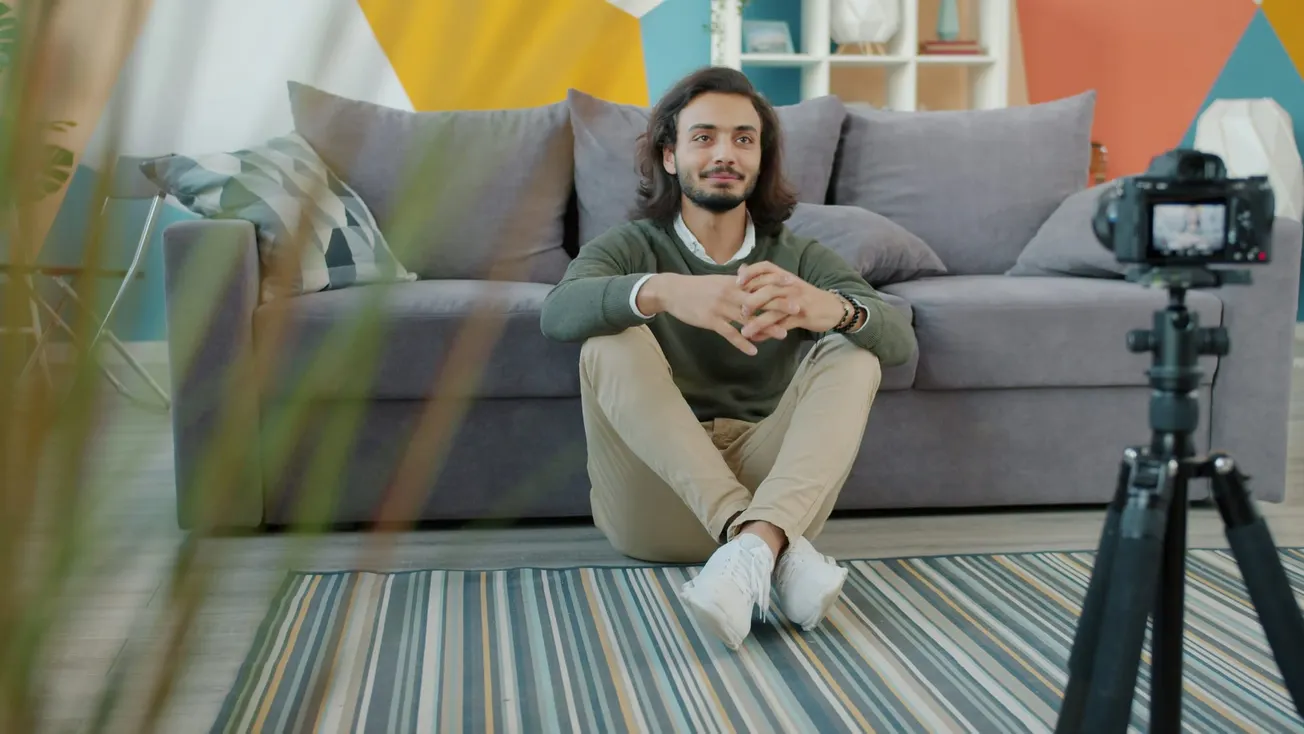
Many successful YouTubers have spent years acting as their own writers, cinematographers, and editors, giving them a holistic view of the creative process.
This multidisciplinary background is highly valuable when managing larger crews or working with restricted budgets. In the professional world, these skills translate into more efficient decision-making during the editing phase. Understanding the technical nuances of video software and post-production helps creators communicate more effectively with specialized departments.
Strategic Branding and Audience Retention
For businesses and creators alike, the ability to move between formats is a powerful marketing asset. A creator who successfully transitions to the big screen carries an established audience, which provides a significant advantage in terms of initial visibility and brand authority. This crossover potential is a key component of modern media strategy, where a single intellectual property can exist as a social media clip, a deep-dive podcast, and a theatrical release.
By maintaining a consistent brand identity across these various mediums, creators can build a sustainable ecosystem for their work.
Technical Scaling and Quality Standards
Moving toward professional cinema necessitates an upgrade in equipment and recording standards. While high-end consumer cameras are capable of producing stunning images, professional sets often require specific features like global shutters, high dynamic range, and robust file formats for color grading. Similarly, audio recording must move beyond simple voice-overs to complex, multi-layered soundscapes.
This technical scaling ensures that the content meets the rigorous quality standards expected by theatrical distributors and streaming giants. For those looking to upgrade their current setup, reviewing the latest video equipment at PodcastVideos.com can provide a roadmap for professional growth.
The Importance of Narrative Structure
Beyond the technical requirements, the most critical element of the transition is the mastery of long-form narrative structure. Unlike short-form videos that may rely on a single hook, a feature-length film must sustain tension and character development over ninety minutes or more.
This requires a disciplined approach to screenwriting and a move away from the "content" mindset toward a "filmmaking" mindset. Educators and business leaders can learn from this transition by applying the principles of cinematic storytelling to their own presentations and training modules to increase engagement and information retention.
The Future of Hybrid Media
The trend of creators moving to the big screen signifies a broader democratization of the film industry. As professional tools become more affordable and distribution becomes more decentralized, the definition of a filmmaker continues to expand. The skills honed in the world of podcasting and online video are the same skills needed to succeed in the high-stakes environment of professional cinema.
By embracing both the agility of digital creation and the discipline of traditional filmmaking, the modern storyteller is better equipped to reach audiences on any screen.


