
The Rise of the Portable Studio
The barrier to entry for high-quality audio and video production has shifted from the studio to the pocket. In 2026, mobile devices have become powerful enough to handle multi-track recording and 4K video processing, allowing businesses and creators to capture content from conferences, coffee shops, or transit hubs. However, the internal hardware of a smartphone is rarely sufficient for professional standards.
To eliminate the friction of field recording, a curated kit of accessories is necessary to ensure consistency and broadcast quality. This guide highlights the essential tools that transform a standard mobile device into a high-fidelity production suite, prioritizing portability without sacrificing output.
High-Fidelity Audio Capture on the Move
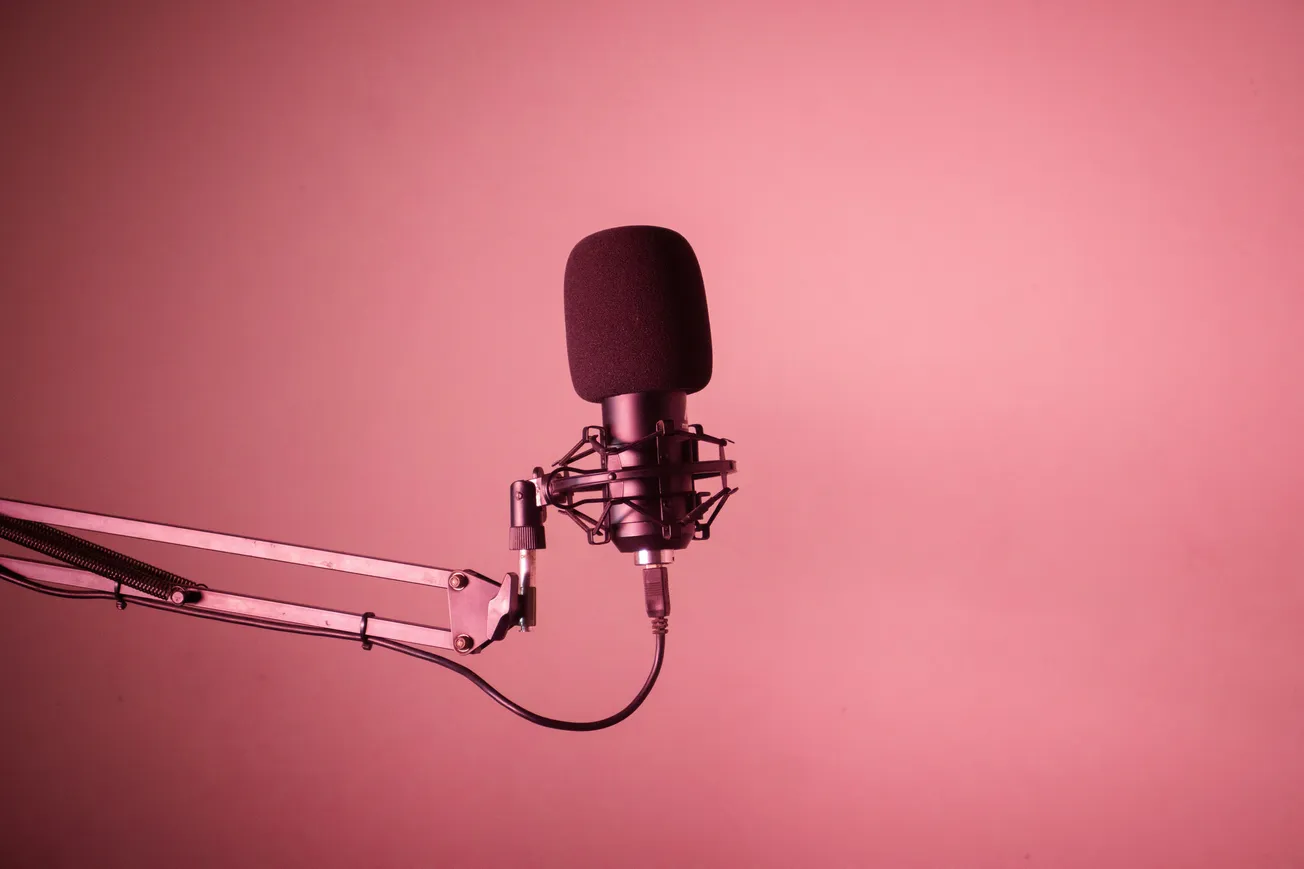
The most critical upgrade for any mobile podcaster is an external microphone. While built-in phone microphones have improved, they lack the isolation and depth required for professional storytelling. For 2026, the industry has pivoted toward ultra-compact wireless systems and high-end digital lavaliers that connect directly to USB-C or Lightning ports.
A standout for mobile journalists and business travelers is the Shure MoveMic 88+, which offers a hybrid system that functions as both a shotgun and a lavalier. According to research from PodcastVideos.com, modern mobile rigs now favor "micro-mics" that utilize professional-grade preamps and onboard recording. These devices ensure that even if a wireless connection drops, a high-quality backup remains available, providing a safety net for critical interviews.
Mobile Interfaces and Monitoring
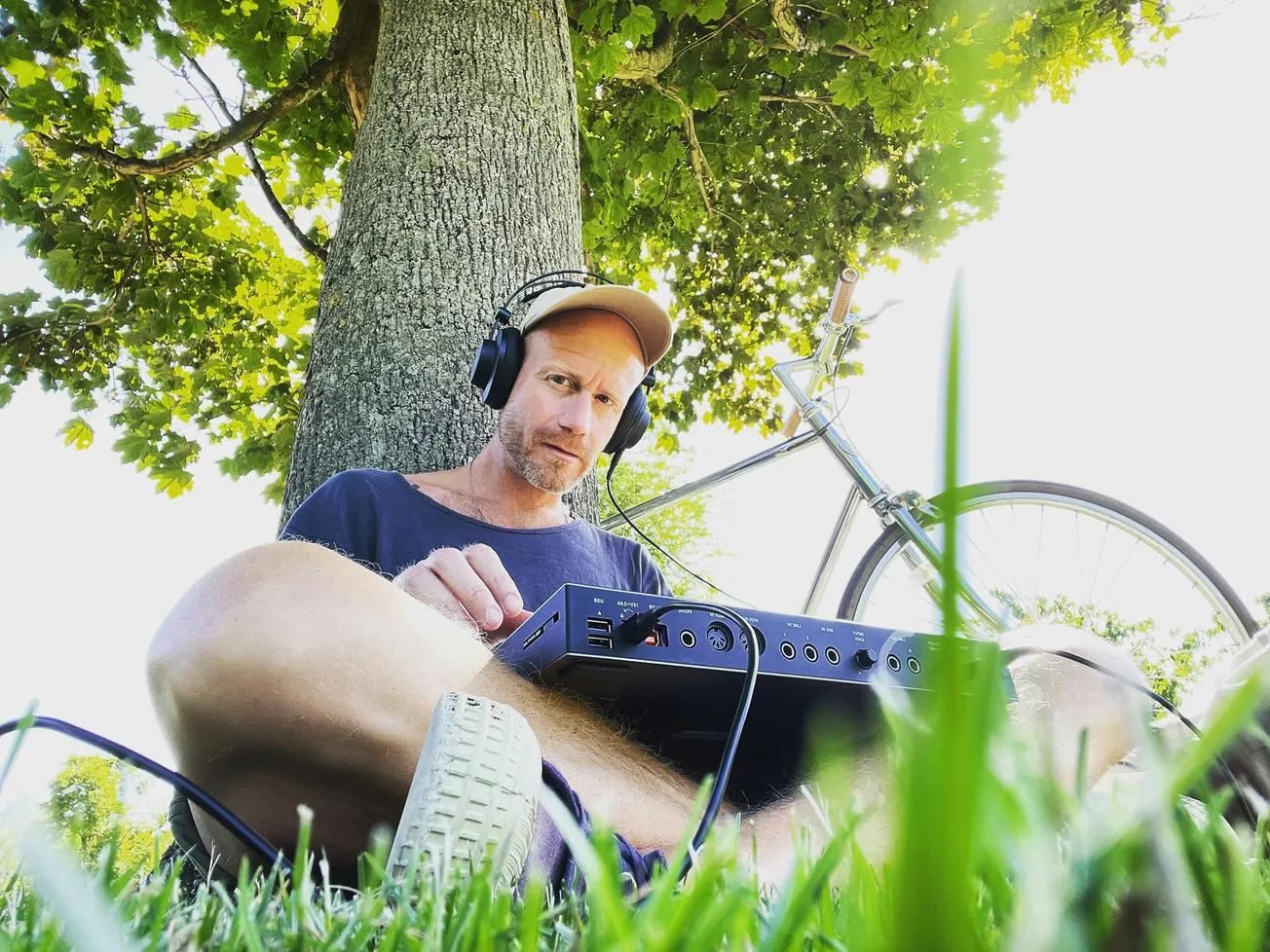
For creators who prefer using traditional XLR microphones in the field, a portable audio interface is essential. Devices like the Zoom PodTrak P4 offer a battery-powered solution with four XLR inputs, allowing for full-scale panel discussions in any environment. This portability is a game-changer for educational teams and event marketers who need to capture high-resolution audio on location.
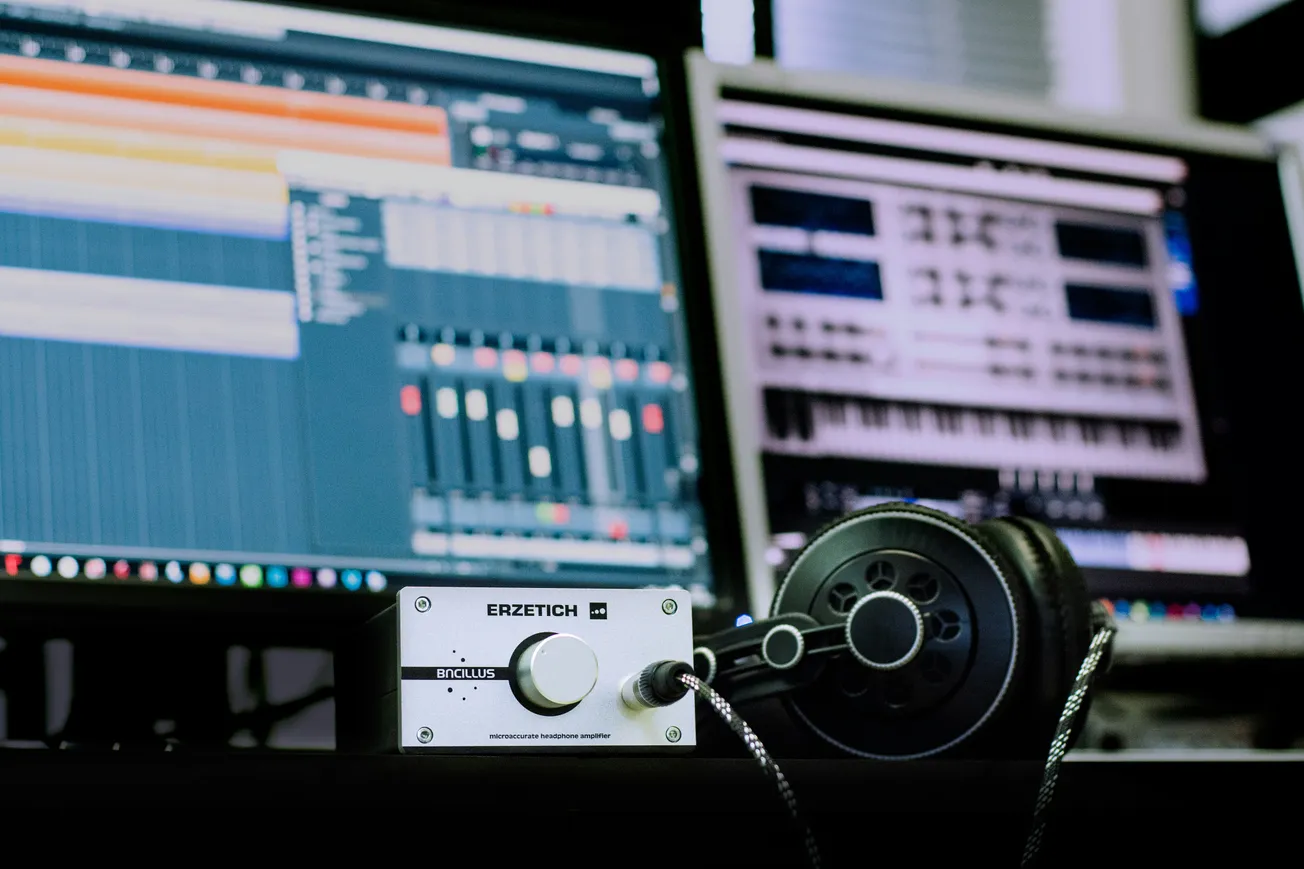
Accurate monitoring is equally important to detect ambient noise or technical glitches before they ruin a recording. Closed-back headphones, such as the Sennheiser HD 280 PRO, remain a staple because they provide the necessary isolation to hear fine details in noisy environments. Reports from The Podcast Consultant suggest that wired monitoring is still preferred in 2026 to avoid the latency and connectivity issues often associated with Bluetooth technology.
Stabilization and Lighting for Video Podcasters
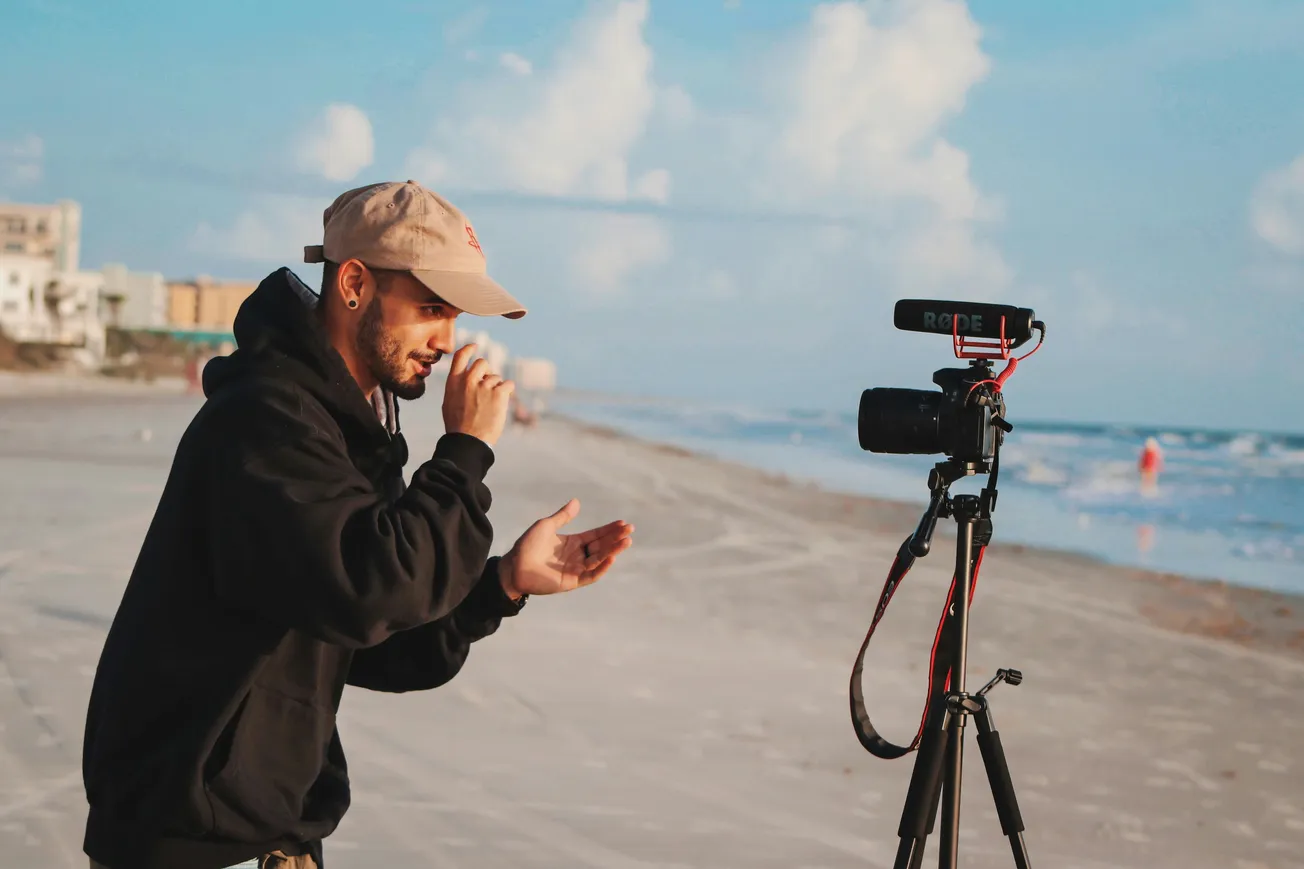
As video continues to dominate the podcasting landscape, physical stability and lighting have become mandatory for mobile setups. Smartphone "cages" or rigs act as a skeleton for the device, providing multiple mounts for microphones and lights. These rigs improve ergonomics and allow for smoother handheld shots during "walk-and-talk" segments.
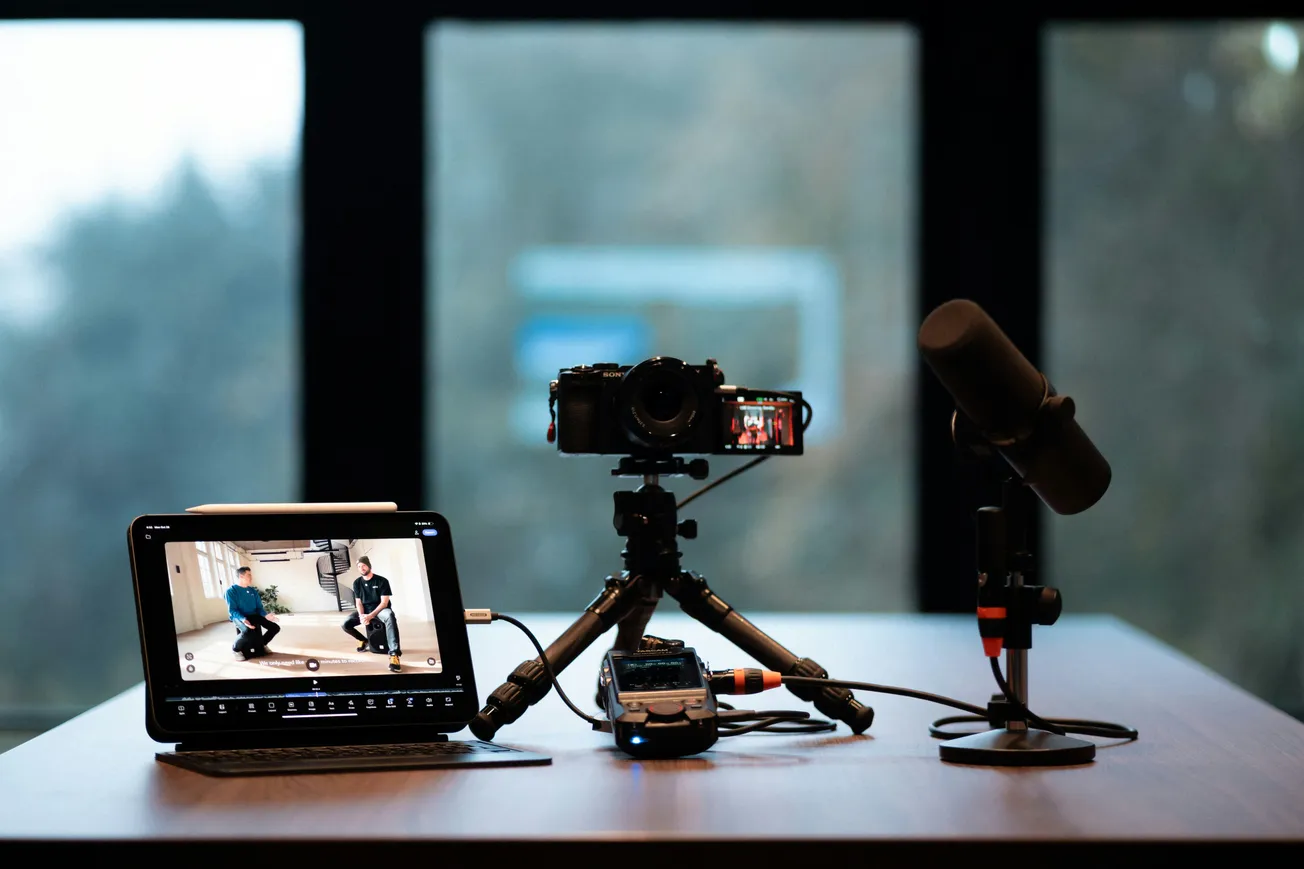
To maintain professional skin tones in unpredictable environments, foldable LED panels are indispensable. Modern units are roughly the thickness of a smartphone and offer adjustable color temperatures to match ambient office lighting or natural sunlight. When paired with a sturdy tabletop tripod, these tools ensure that the visual quality matches the professional audio, reinforcing brand authority across social platforms.
Power and Storage Management
Extended mobile sessions require a robust power strategy. High-capacity MagSafe battery packs and slim power banks are necessary to keep the entire rig operational throughout the day. Additionally, with 4K video files and uncompressed audio taking up significant space, many mobile creators now utilize portable SSDs that connect directly to their devices for instant file offloading.
By investing in a streamlined set of accessories, creators can maintain a "backpack studio" that is ready for deployment in under three minutes. This modularity allows for more authentic, frequent content creation that meets the high standards of a modern audience.
More about audio equipment:
 Staff Report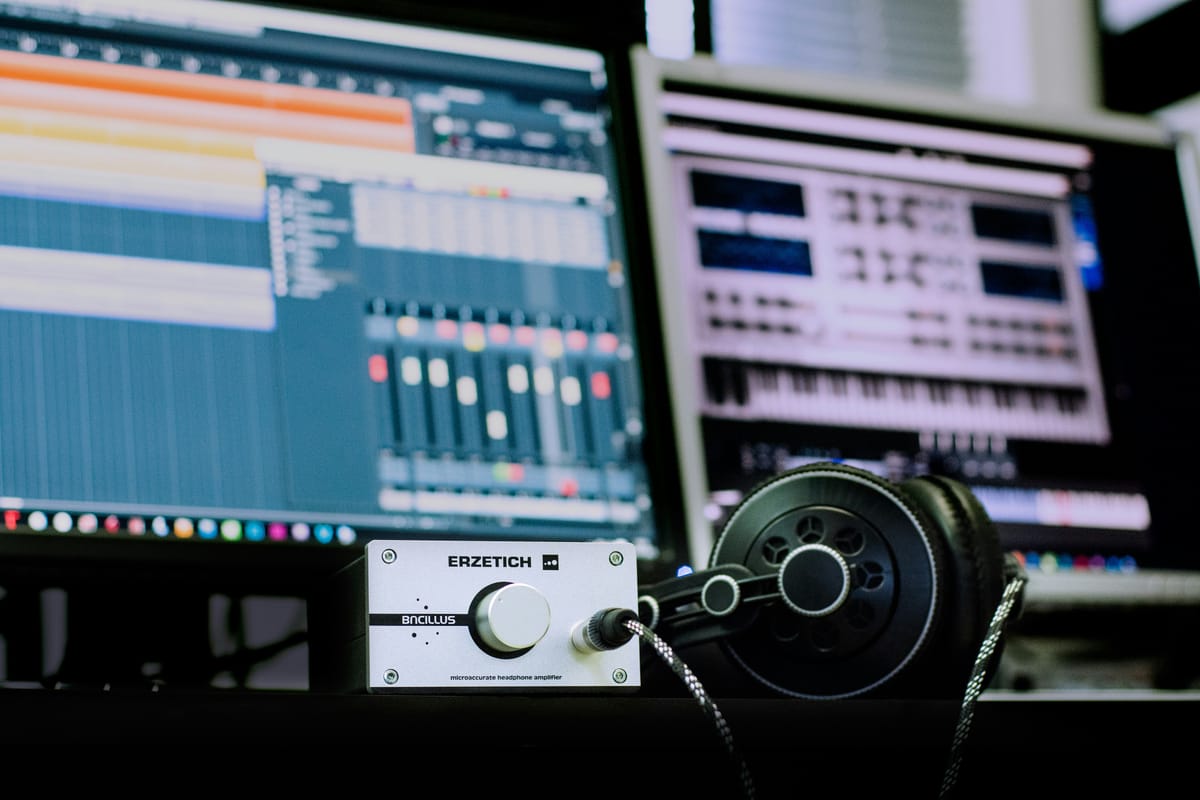
 Staff Report
 Staff Report