
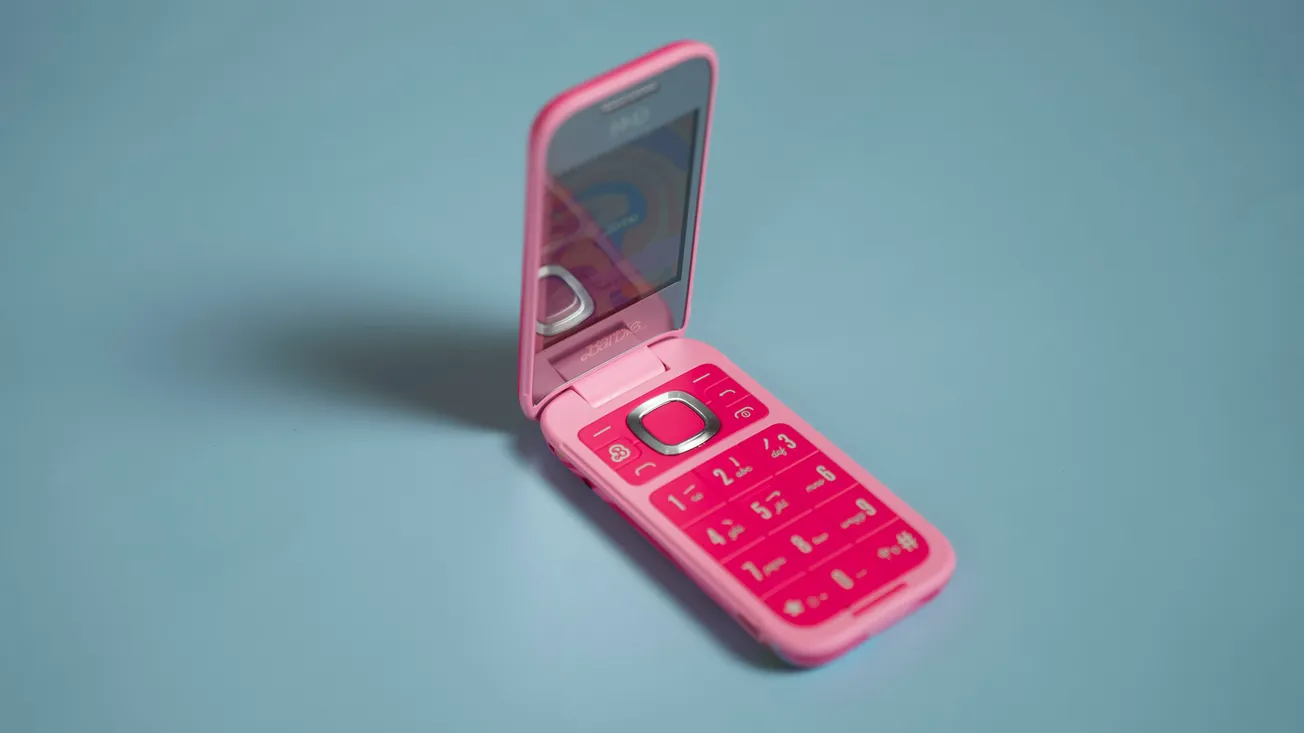
Cheap, minimalist flip phones—often called “dumbphones”—are experiencing a resurgence. For people trying to quit smartphone addiction, reduce screen time, or escape constant notifications, these stripped-down devices offer a compelling alternative. But they come with trade-offs. Most notably, they lack access to mainstream app ecosystems—including podcast apps.
That gap has created a surprising opportunity in audio publishing. PodLP has launched a version of its podcast app designed specifically for dumbphones, offering a way to listen without returning to the distractions of a full-featured smartphone. As of today, Podnews podcast pages also link directly to PodLP, signaling growing industry support for alternative listening platforms.
The Rise of the Dumbphone Movement
In recent years, demand for basic flip phones has grown among consumers seeking digital minimalism. Retailers have reported increased sales of devices that focus on calls and texts while eliminating social media apps, push notifications, and algorithm-driven feeds.
For many users, this shift is about reclaiming attention. Removing app stores and endless scrolling reduces temptation. However, it also removes access to everyday utilities—navigation, messaging apps, and podcast players among them.
Podcast listening, in particular, has been tightly integrated with smartphone ecosystems. Apple Podcasts, Spotify, Pocket Casts, and other major platforms depend on iOS and Android app stores. For someone switching to a simplified device, continuing to follow favorite shows becomes difficult.
The Podcast Problem for Dumbphone Users
Podcasts are often framed as a healthier alternative to visual social media consumption. They allow multitasking, learning, and entertainment without screen fixation. But without a podcast app, dumbphone users have limited options.
Some rely on desktop listening. Others manually transfer audio files. Neither approach is convenient for daily commuters or regular listeners.
This gap highlights an overlooked assumption in podcast distribution: that listeners own and use smartphones. As digital habits shift, that assumption no longer holds universally true.
Enter PodLP: A Podcast App for Dumbphones
PodLP has stepped in with a dedicated podcast app built for so-called dumbphones. Instead of requiring iOS or Android, the platform works with simpler operating systems commonly found on modern flip phones.
The goal is straightforward: allow users to subscribe to podcasts, stream or download episodes, and manage playback without introducing the distractions that drove them away from smartphones in the first place.
The interface is designed for smaller screens and physical keypads, prioritizing essential playback features over advanced social or discovery algorithms. For listeners committed to digital minimalism, this creates a rare middle ground—access to long-form audio without returning to app-heavy ecosystems.
Podnews has already integrated support by linking its podcast pages directly to PodLP, making it easier for users browsing show listings to listen on compatible devices. This move reflects a broader recognition that podcast distribution must evolve alongside hardware trends.
What This Means for Podcast Creators
For podcast publishers, the rise of dumbphones presents both a challenge and an opportunity.
On one hand, audiences fragment further as new device categories emerge. On the other, platforms like PodLP expand accessibility. A listener who abandons a smartphone does not necessarily abandon podcasts.
Creators focused on audience growth may benefit from ensuring their RSS feeds are compatible with lightweight podcast apps and alternative players. Maintaining open distribution standards—rather than relying solely on proprietary platforms—helps preserve access across evolving device ecosystems.
The development also reinforces the strength of open podcast infrastructure. Because podcasts are distributed via RSS rather than locked to a single platform, new players like PodLP can integrate with existing shows without requiring creators to re-upload or restructure content.
A Shift Toward Intentional Listening
The resurgence of flip phones suggests a cultural shift toward intentional technology use. While smartphones remain dominant, a growing segment of consumers is seeking simplicity.
Podcasting, by nature, aligns well with that mindset. It offers depth without constant visual stimulation. With tools like PodLP bridging the hardware gap, listeners no longer have to choose between digital minimalism and access to their favorite shows.
As device preferences diversify in 2026, podcast distribution strategies may need to follow suit. The success of dumbphones—and the platforms that support them—signals that the future of audio is not tied to a single screen, but to the flexibility of how and where people choose to listen.
More about technology:
 Staff Report
 Staff Report
 Staff Report