

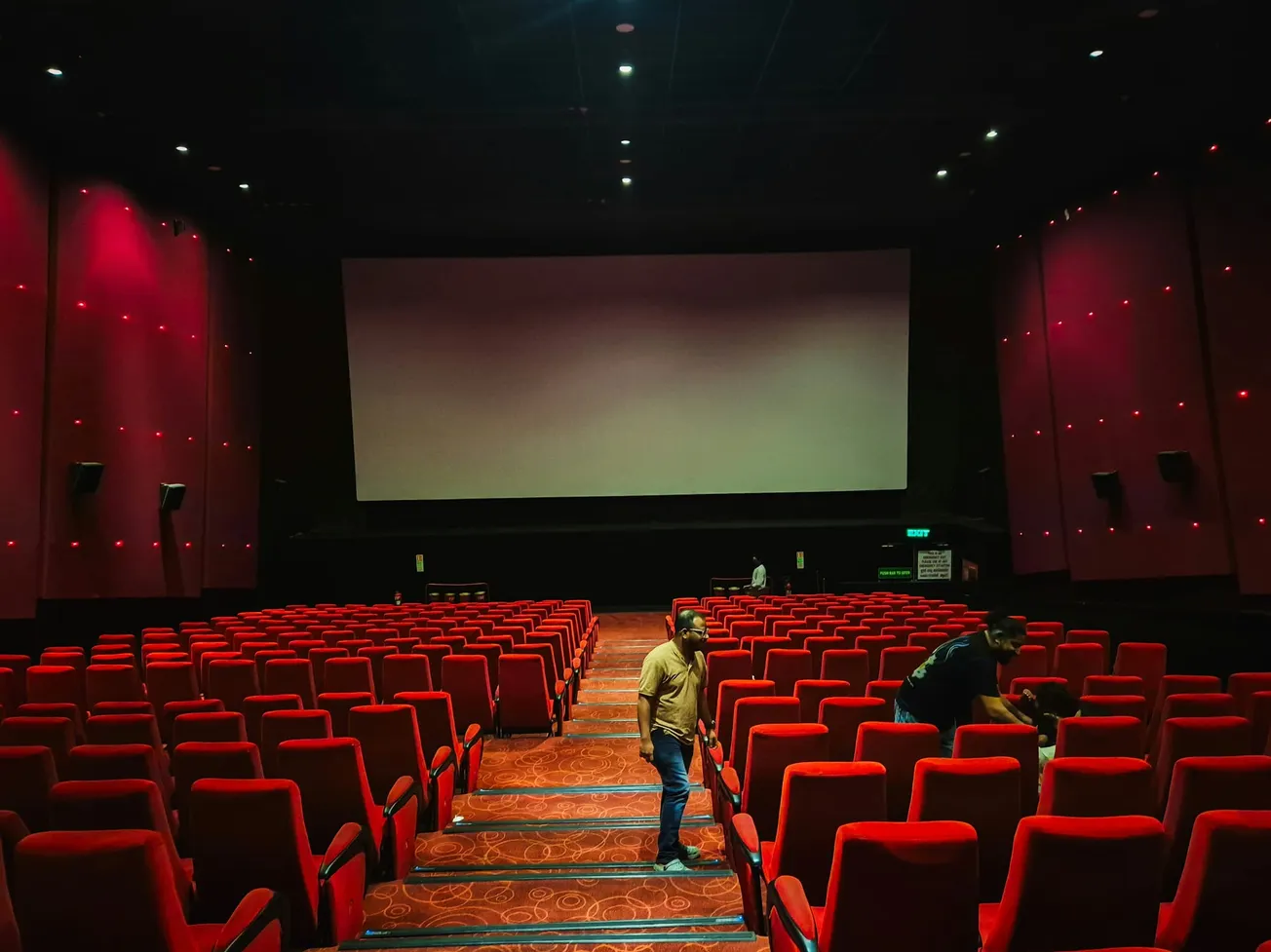
The Strategic Shift Toward Proprietary Premium Cinema
At CinemaCon 2026, Disney officially announced its entry into the Premium Large Format (PLF) market with the launch of "Infinity Vision." This new theatrical certification program is designed to rival established industry leaders like IMAX and Dolby Cinema, signaling a strategic shift in how the studio intends to manage its most significant theatrical releases.
By establishing its own set of technical standards and branding, Disney is moving to secure high-end real estate in theaters globally, ensuring its tentpole franchises are showcased under its own specific terms.
Understanding the Infinity Vision Certification
Unlike some proprietary technologies built from the ground up, Infinity Vision serves as a high-end certification program for existing and future large-format auditoriums. To earn the Infinity Vision badge, a theater must adhere to a set of rigorous technical requirements mandated by Disney. These standards focus on three primary areas:
- Maximum Scale: The certification is reserved for the largest screens in a complex, with a specific emphasis on vertical height and an immersive field-of-view that maximizes the audience's sense of presence.
- Laser Projection: High-contrast laser projection systems are a mandatory requirement. This ensures the brightness and color accuracy necessary for the high-dynamic-range (HDR) visuals prevalent in Marvel and Star Wars productions.
- Spatial Audio: The program mandates high-channel-count, immersive audio formats to provide a soundstage that rivals the industry's most advanced sonic environments.
By standardizing these elements, Disney aims to provide a consistent, premium experience across the 75 domestic and 300 global screens already lined up for the launch.
The Competitive Landscape and Release Windows
The timing of the Infinity Vision launch is largely driven by the increasing competition for premium screen time during peak release windows. Historically, major studios have competed for exclusive windows on IMAX screens, which can often lead to scheduling conflicts. For example, reports indicate that the late 2026 release of Denis Villeneuve's Dune: Part Three has secured a significant exclusive window on IMAX screens, potentially crowding out other major releases.
By establishing Infinity Vision, Disney creates its own "premium" inventory that is not beholden to the scheduling priorities of third-party format providers. This allows the studio to maintain a high-end presence for its major titles, such as the upcoming Avengers: Doomsday, even when other PLF screens are occupied by competing films.
Onboarding Audiences Through Legacy Content
To introduce moviegoers to the new format, Disney is leveraging one of its most successful properties. The program will officially debut on September 25, 2026, with a special re-release of Avengers: Endgame. This "Infinity Vision" version of the film will reportedly include never-before-seen footage integrated into the narrative, providing a compelling reason for fans to experience the film again in the new format.
This strategy serves two purposes: it acts as a large-scale technical test for the new certification and builds brand awareness for Infinity Vision ahead of Disney's future slate of original releases. For exhibitors, it provides a high-profile event to draw audiences back into premium auditoriums during the fall season.
Implications for the Theatrical Experience
For the broader film industry, the rise of studio-specific certifications like Infinity Vision marks a new era of theatrical branding. As studios seek more control over the "last mile" of the viewer experience, the theatrical landscape is becoming increasingly segmented. For audiences, this may lead to more choices in how they consume high-end content, but it also places a greater emphasis on understanding the technical differences between various premium logos.
For businesses and marketing teams, Disney's move highlights the enduring value of the "premium" experience in a world where home viewing options are more advanced than ever. By doubling down on the unique capabilities of the theater—scale, brightness, and immersive sound—Disney is reinforcing the idea that some stories are best told on the largest possible canvas.
Conclusion: The Future of Premium Cinema
Disney’s Infinity Vision represents a bold play to own the premium theatrical experience. Whether it will achieve the household-name status of its competitors remains to be seen, but its launch confirms that the battle for the biggest screen in town is intensifying. As production standards continue to evolve, staying informed on these distribution shifts is essential for anyone involved in the business of visual storytelling.
More about cinema:
 Staff Report
 Staff Report
 Staff Report