
Ingenious Rigs: Mastering Heavy Camera Gear for Dynamic Content Creation
Handling heavy camera equipment during long shoots can be a significant challenge for videographers and content creators alike. Custom wearable camera rigs offer an innovative solution to combat fatigue and improve stability, empowering creators to produce high-quality, dynamic video content.
This article explores the ingenuity behind such specialized setups and their practical applications across various production needs.
The Demands of Dynamic Video Production
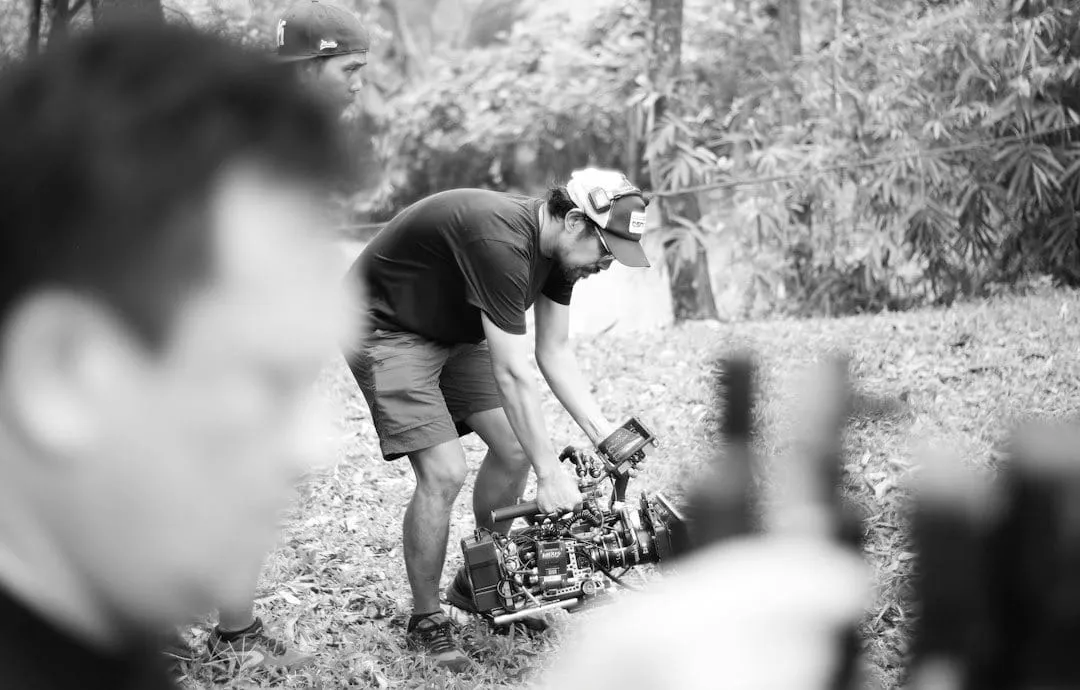
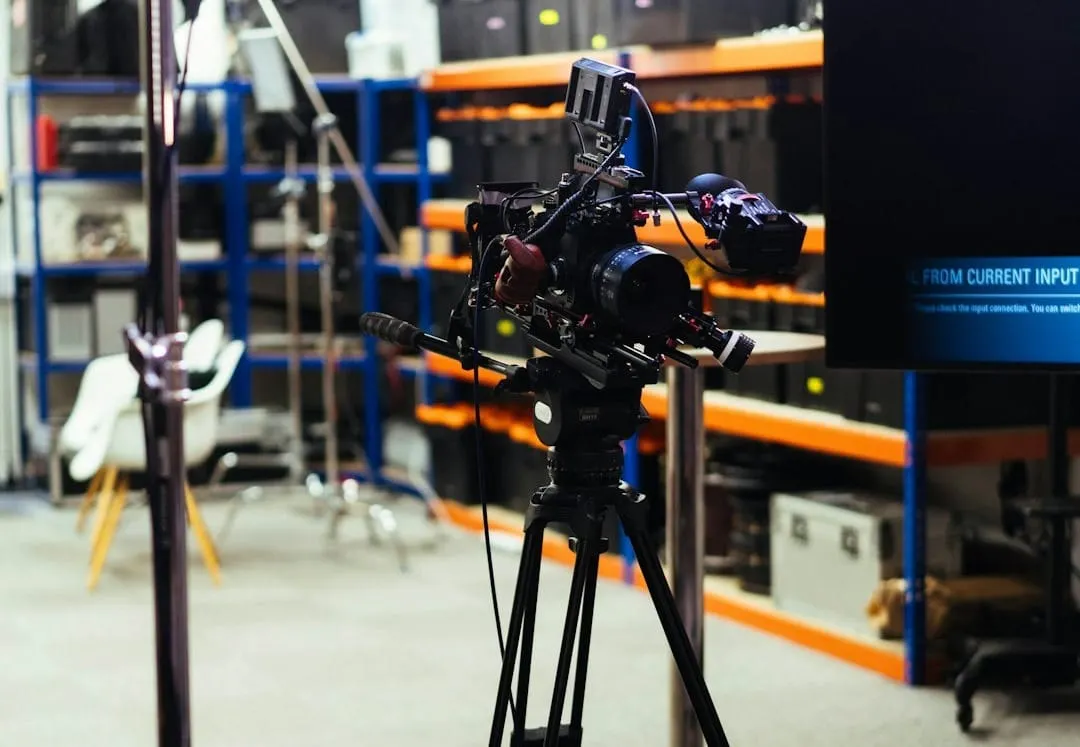
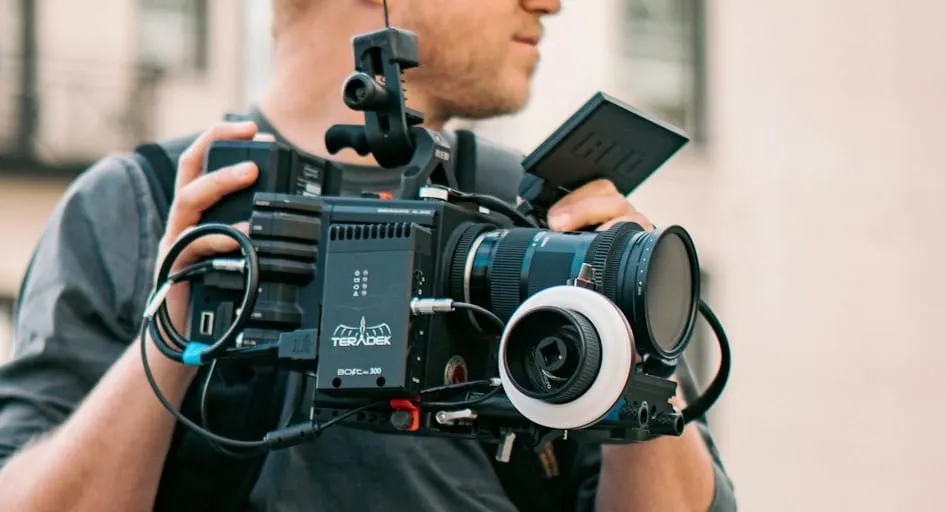
Creating compelling video content often requires specialized equipment, including robust cameras and powerful lenses. However, the sheer weight of this professional-grade gear can quickly lead to physical strain and compromised shot stability for operators. Creators frequently face limitations in mobility and endurance when filming extended sequences or moving rapidly through environments.
This challenge is particularly acute in dynamic settings such as live events, documentary shoots, or on-location marketing campaigns. Maintaining a steady shot while moving, reacting, and focusing on the subject becomes exponentially harder with heavy handheld systems. Fatigue not only affects the operator's comfort but also directly impacts the overall quality and consistency of the captured footage.
Ingenuity Behind Wearable Camera Rigs
In response to these physical demands, some innovators are creating highly specialized wearable camera rigs that redistribute significant weight across the body. One striking example involves a "MacGyvered" setup utilizing components like football shoulder pads and exoskeleton leg supports. This ingenious approach effectively transforms tens of thousands of dollars worth of heavy camera and lens equipment into a more manageable, mobile system.
The core principle behind these rigs is to offload the burden from the arms and back onto the stronger parts of the torso and legs. By doing so, operators can maintain stability and control over large, unwieldy lenses, such as a Canon RF 1200mm f/8L IS USM, for extended periods. This method significantly enhances an operator's ability to achieve complex, dynamic shots that would be impossible with traditional handheld or monopod setups alone.
Elevating Content Across Industries
The principles demonstrated by extreme wearable rigs hold immense value for diverse content creation fields far beyond just specialized filmmaking. For documentary filmmakers, these setups enable prolonged shooting in challenging environments, capturing authentic narratives without constant fatigue. Live event coverage, from sports to concerts, benefits from the enhanced mobility and sustained stability crucial for dynamic action.
Educators developing immersive learning experiences can utilize such systems for on-location demonstrations or virtual field trips, providing stable footage regardless of movement. Marketing teams creating engaging video advertisements can achieve more fluid and professional-looking product showcases or brand stories. Even podcasters incorporating video elements into their productions can find value in modular support systems for maintaining consistent shot quality during interviews or demonstrations.
Building Your Own Scalable Solutions
While a full-body exoskeleton might be beyond the scope for many creators, the concept of modular, weight-distributing support is highly accessible. Various commercial products, such as camera vests, ergonomic shoulder rigs, and 'easy rig' alternatives, are designed to distribute camera weight effectively. These tools help mitigate fatigue, allowing creators to focus on their storytelling rather than physical strain.
- Ergonomic Support Vests: These distribute camera weight across the back and shoulders, reducing arm fatigue during long takes.
- Shoulder Mounts and Rigs: Offer stability for handheld shots by resting the camera on the operator's shoulder, often with counterweights.
- Modular Accessory Systems: Allow for customization with handles, monitors, and battery packs, optimizing balance and control for different setups.
When selecting or assembling camera support systems, prioritizing ergonomics and future scalability is essential. Consider the weight of your typical gear, the duration of your shoots, and your specific mobility requirements. Investing in quality accessories that reduce physical burden directly contributes to improved production quality and a more sustainable creative workflow.
Conclusion
Ultimately, the evolution of wearable camera rigs highlights a crucial trend in content creation: the relentless pursuit of efficiency and creative freedom. By leveraging intelligent design and modular components, creators can overcome the physical limitations of heavy equipment. This empowers them to tell compelling stories with greater stability, comfort, and dynamic potential, making high-quality video production more accessible and effective for everyone.