As the new year begins, it's the perfect time to move beyond rushed, last-minute content creation. This guide offers a practical approach to designing a robust content production system in just one focused day.
By establishing a clear workflow, teams can enhance consistency, quality, and overall sanity throughout the year, transforming strategy into effective execution.
Designing Your Content Production Flow
A well-defined content production flow is crucial for turning strategy into tangible output. It involves several key elements:
- Clear Intake Rules: Implement a single point of entry for content requests, supported by standardized briefs, priority rules, and a dedicated request space.
- Format System for Reuse: Move from one-off content pieces to repeatable formats. This includes defining core formats, establishing content cascades (like "hero → hub → help"), and having rules for refreshing existing content.
- Workflow Design to Prevent Bottlenecks: Streamline the approval process by centralizing feedback, assigning a single owner for consolidation, and setting clear review gates with defined timelines.
- Measurable Definition of "Done": Ensure content production is tied to impact. Define specific goals and KPIs for each asset, such as engagement targets for social posts or traffic goals for blog articles.
- Feedback Loop for Improvement: Regularly review the production process through retrospectives to identify slowdowns, analyze format performance, and determine areas for standardization.
Steps to Design Your System
- Identify Audience Engagement Strategies: Understand where your audience spends time, what content they interact with, and how they behave across different funnel stages.
- Outline Content Types and Formats: Define "hero," "hub," and "help" content categories that align with audience behavior and business goals.
- Set Clear Goals and KPIs: Link every content piece to specific business objectives, such as awareness, engagement, or conversion.
- Audit Current Assets and Gaps: Identify high-performing content for repurposing, spot gaps in your content calendar, and find outdated pieces needing updates.
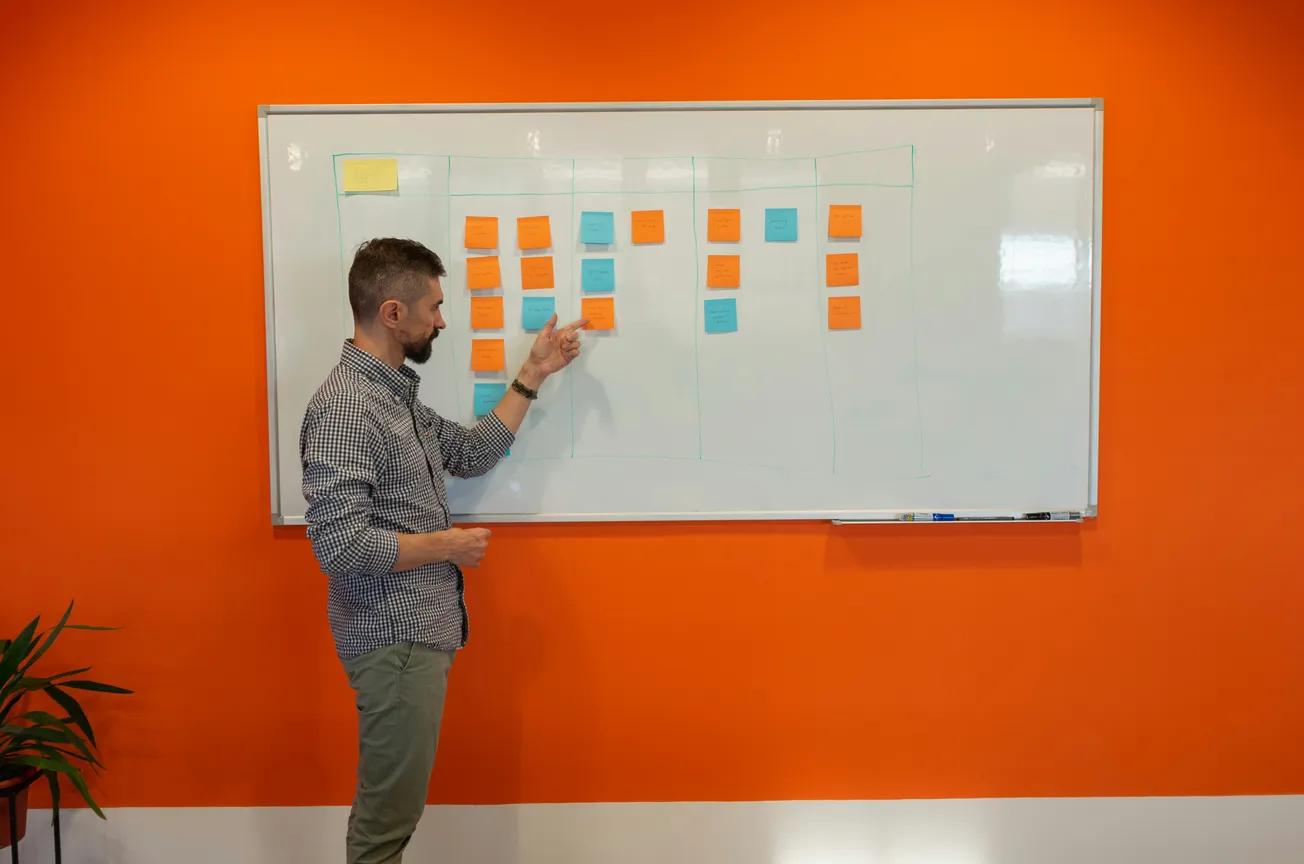
- Map Roles, Workflows, and Timelines: Document the entire process, including who briefs, edits, approves, and publishes content, along with realistic timelines.
- Build Channel-Specific Production Rules: Create guidelines for each platform regarding format, length, approval paths, and distribution plans.
- Plan Distribution and Promotion: Integrate promotion strategies into the workflow to ensure content reaches the intended audience.
Social Media and Product Content Considerations
For social media, focus on designing for "watch without sound" by using captions and strong visuals, batching content by format rather than platform, and treating hooks as reusable assets.
Prioritize vertical video and plan for intentional repurposing. For product content, map the "rep-free" buyer journey, build a "trust layer" into core pages, and emphasize "time-to-value." Comparison content and lifecycle content are also vital for guiding buyers and ensuring retention.
Creating a Content Calendar Template
A flexible content calendar is essential. It should include a monthly overview of themes and volume, channel-specific scheduling rules, clear ownership for tasks, built-in slots for repurposing, and regular review checkpoints for optimization.
A template can be adapted for various team sizes and workflows, serving as a dynamic tool for managing content production.
More about production:
 Staff Report
 Staff Report
 Staff Report