Live streaming has become a cornerstone of digital media workflows, from corporate broadcasts to live events and creative productions. At the forefront of hardware solutions in 2026 is Blackmagic Design’s new Streaming Encoder, a self-contained H.264 and H.265 hardware streaming processor capable of pushing high-quality video directly to platforms such as YouTube, Facebook, X, and others.
Its combination of professional broadcast features and ease of use makes it a compelling option for creators and broadcasters alike.
A Self-Contained Solution for Live Streaming
Unlike software-based streaming setups that require a computer running complex broadcast software, the Blackmagic Streaming Encoder is designed to operate independently. It encodes and streams video using industry-standard protocols like Secure Reliable Transport (SRT) and Real-Time Messaging Protocol (RTMP), without the need for external streaming software.
A key advantage of this approach is simplicity: users connect their video source via SDI, choose their streaming service and settings, and go live. The encoder’s built-in hardware engine handles compression and delivery, which can reduce dropped frames and improve overall stream reliability.
Professional-Grade Connectivity and Features
The Streaming Encoder supports 12G-SDI inputs, enabling up to UHD 4K at 60 fps streaming and backward compatibility with lower SDI standards—a benefit for productions working with a mix of cameras and workflows. It also includes standard SDI and HDMI monitor outputs so operators can verify what’s being streamed in real time.
An integrated 2.2-inch LCD screen displays stream status and allows on-device configuration without an external monitor. The hardware encoder also supports tethering to high-speed 5G or 4G mobile networks via USB-C, giving creators flexible internet connectivity options when wired Ethernet is unavailable.
Broad Platform Compatibility
One of the Streaming Encoder’s standout virtues is its wide platform compatibility. It can stream directly to major social and broadcast platforms, including YouTube Live, Facebook Live, Twitter/X, Twitch, and more. It also supports integration with various third-party services such as Restream.io and BoxCast, as well as software like OBS Studio and Wirecast for hybrid hardware-software workflows.
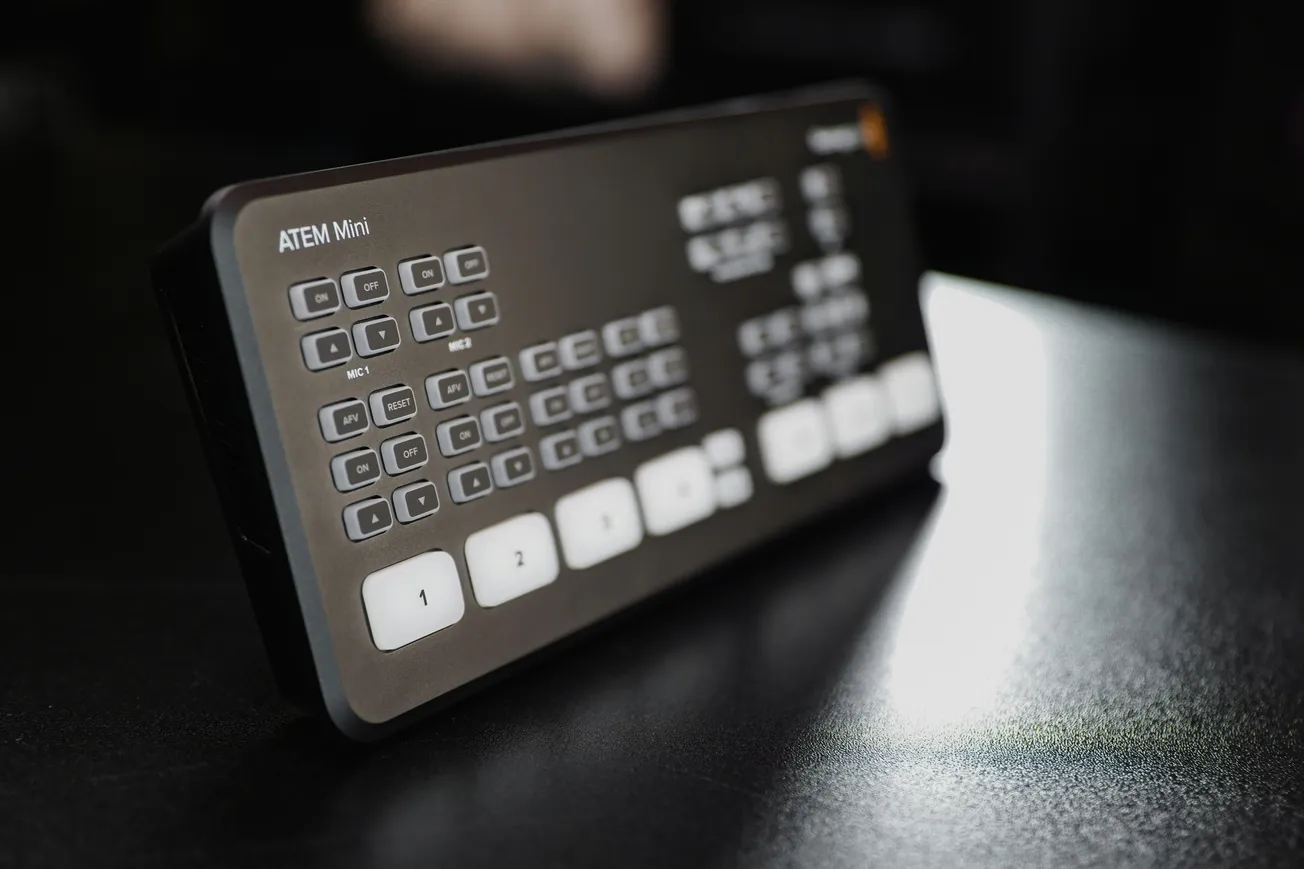
This flexibility makes the encoder useful across contexts—from standalone corporate webinars and educational streams to more complex multi-camera productions tied to professional switchers like Blackmagic’s ATEM series.
Use Cases and Workflows
For broadcasters and content creators, the Streaming Encoder can serve in multiple roles:
Standalone Broadcast Streaming: Ideal for direct feeds from cameras or switchers without a computer intermediary.
Redundant Streaming Solutions: Multiple encoders can stream to the same platform for backup feeds.
Mobile or Remote Streams: USB-C phone tethering enables live content from locations without reliable wired internet.
Hybrid Hardware-Software Integration: Works in concert with software tools and multiview switchers for advanced live production workflows.
These capabilities help bridge the gap between simple plug-and-play livestreaming and professional broadcast-grade setups.
What This Means for Creators in 2026
The Streaming Encoder reflects industry trends toward hardware solutions that reduce technical friction while delivering broadcast-quality results. For podcasters, video producers, live event teams, and educators, it offers a middle ground between high-end broadcast gear and more entry-level streaming boxes.
As live video becomes increasingly central to audience engagement, tools that simplify setup without sacrificing quality can accelerate production workflows and free creators to focus on content rather than configuration.
Conclusion
Blackmagic Design’s Streaming Encoder represents a significant entry in the hardware streaming market in 2026. By combining professional connectivity, broad platform compatibility, and self-contained encoding, it offers a powerful option for anyone serious about live streaming—whether in a studio, at an event, or on the go.
With support for both standard and mobile internet connections and industry-standard protocols like SRT and RTMP, it meets the needs of modern digital production pipelines without unnecessary complexity.
More about video equipment:
 Staff Report
 Staff Report
 Staff Report