
High Quality Audio on a Budget
Transitioning from a USB microphone to an XLR setup is a significant milestone for any content creator or small business. While USB microphones offer convenience, the XLR ecosystem provides superior audio fidelity, durability, and the ability to scale a production as needs grow. As of 2026, the market for sub-$200 microphones has reached a point where professional-grade sound is no longer reserved for high-end studios.
For businesses using audio for internal communication or marketing, and for educators developing digital curriculum, selecting the right microphone involves balancing cost with performance. This guide identifies the top XLR microphones under $200 that deliver the most value for modern workflows.
The Versatile Workhorse: Rode PodMic
The Rode PodMic remains a dominant force in the budget category due to its broadcast-ready sound and industrial build quality. Originally designed specifically for podcasting, its rich, bottom-heavy tone makes it ideal for voice-over work and corporate presentations.
Its integrated pop filter and internal shock mounting help reduce the need for expensive accessories, though a sturdy boom arm is recommended due to its weight. For creators working in rooms that are not acoustically treated, the dynamic capsule of the PodMic is excellent at rejecting background noise, ensuring that the focus remains entirely on the speaker.
The Detail Specialist: Audio-Technica AT2020
For those who prioritize clarity and a wide frequency response, the Audio-Technica AT2020 continues to be the industry standard for entry-level condenser microphones. Unlike dynamic microphones, the AT2020 requires 48V phantom power from an audio interface, but it rewards the user with a level of detail that captures the nuances of a performance.
This microphone is particularly effective for educators and trainers who need to maintain a natural, transparent sound. However, because it is a condenser microphone, it is more sensitive to ambient noise. It performs best in quiet environments or spaces with basic acoustic treatment, such as foam panels or heavy curtains.
The Professional Hybrid: Shure MV7X
The Shure MV7X is the XLR-only sibling of the popular MV7, specifically designed for users who already own or plan to buy an audio interface. It utilizes the same Voice Isolation Technology found in its more expensive counterparts, which helps keep the voice front and center while minimizing room echo.
Small business owners often prefer the MV7X because it offers a "radio sound" similar to the legendary Shure SM7B but at a fraction of the price. It is a reliable choice for long-form interviews and professional video narration where vocal consistency is paramount.
The Budget Powerhouse: Maono PD400X
A newer contender that has gained significant traction in 2026 is the Maono PD400X. While it features dual USB and XLR connectivity, its performance as a dedicated XLR microphone is what makes it stand out for growing teams. It offers a flat, natural response that is easy to manipulate in post-production.
The inclusion of a 3-in-1 digital knob and a sturdy desktop stand in some bundles makes it one of the most accessible starting points for businesses looking to professionalize their audio output without navigating complex technical hurdles.
Choosing the Right Microphone for Your Workflow
Selecting the best microphone depends largely on the recording environment and the intended use case. Dynamic microphones like the Rode PodMic and Shure MV7X are generally more forgiving in noisy offices or home studios. In contrast, condenser microphones like the Audio-Technica AT2020 excel at capturing high-fidelity audio for music or professional voice acting.
Investing in a quality XLR microphone under $200 allows creators to build a foundation that can last for years. By pairing these tools with a reliable audio interface, businesses and individuals can significantly improve their authority and audience engagement through better sound.
More about mics:
 Dan Craft
 Staff Report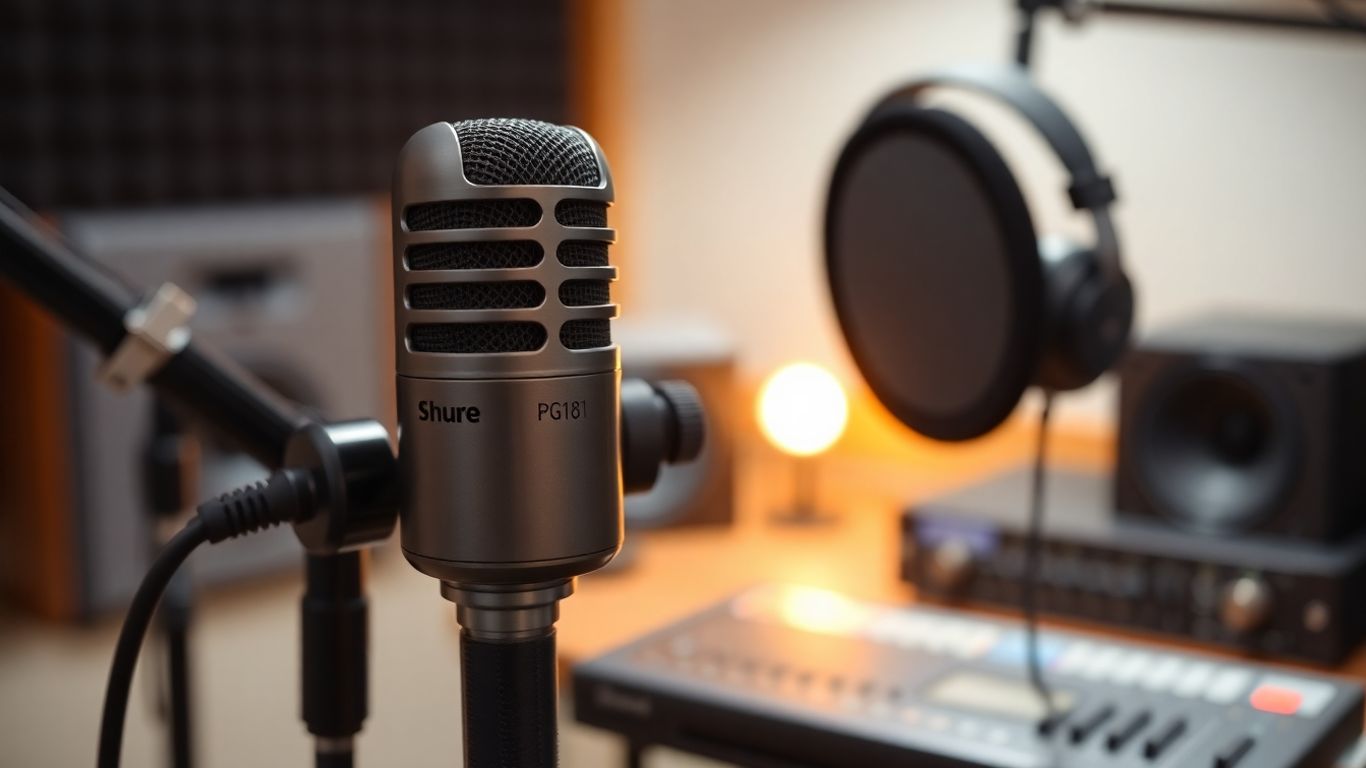
 Staff Report