

Mastering High-Contrast Scenes In-Camera
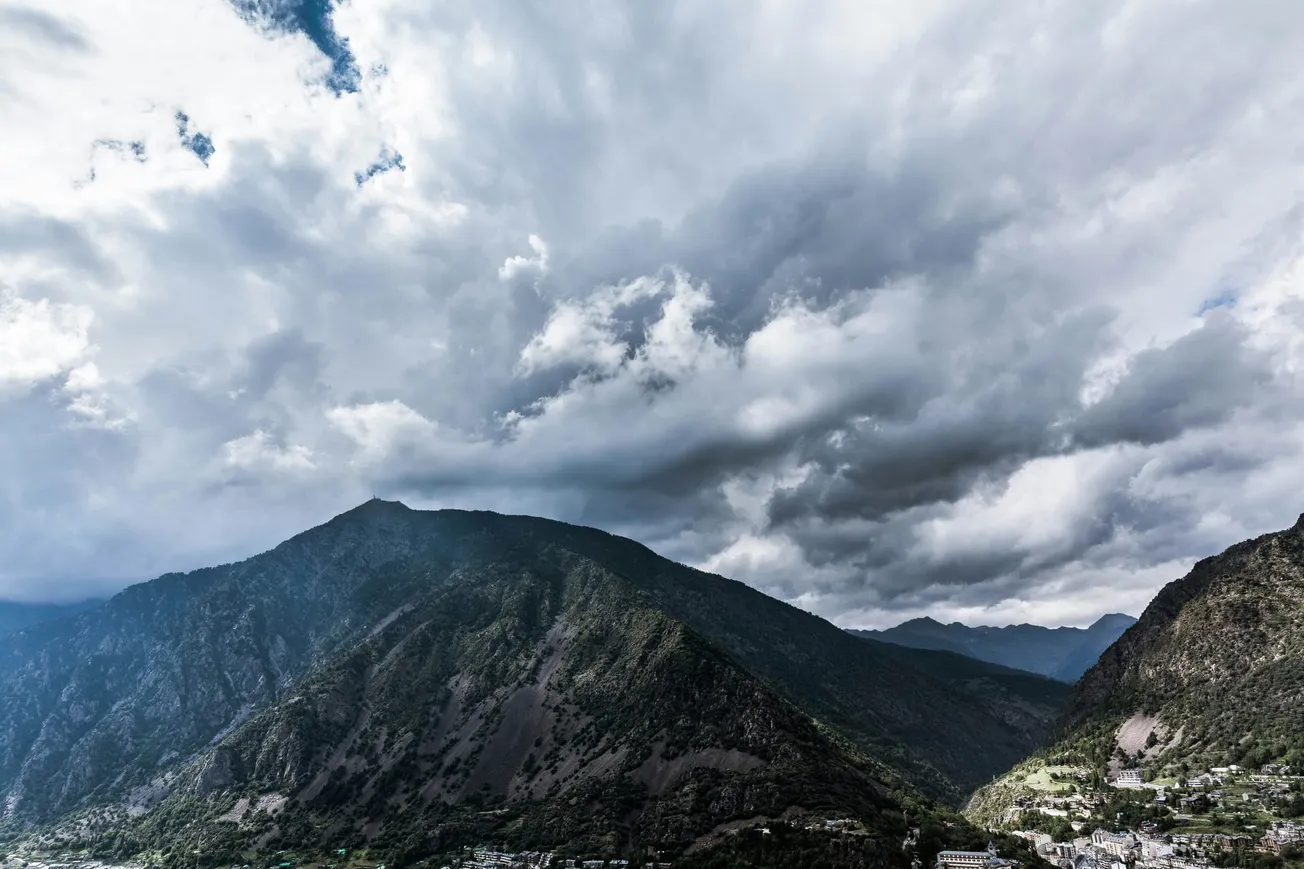
Achieving a balanced exposure in landscape photography and video is a frequent challenge, particularly when the sky is significantly brighter than the foreground. While post-production techniques like HDR (High Dynamic Range) blending are common, many professionals prefer using graduated neutral density (ND) filters to solve the problem at the source. These filters feature a dark tint at the top that gradually transitions to clear at the bottom, allowing creators to darken the sky without affecting the lower half of the frame.
Using a physical filter provides an immediate visual reference on the camera’s LCD or viewfinder, reducing the time spent in front of a computer screen. Furthermore, for video production where frame-by-frame blending is technically complex and labor-intensive, ND grads are essential for maintaining consistent exposure across a moving sequence.
Top Recommendations for 2026
The market for ND grads has diversified, offering options that range from traditional resin slots to innovative magnetic attachments. According to recent evaluations from Digital Camera World, several systems stand out for their optical quality and ease of use.
- Best Overall: Cokin Z-Pro Nuances Extreme. These filters are crafted from tempered mineral glass, making them highly durable and drop-resistant. They are noted for their exceptional color neutrality, ensuring that the sky maintains its natural hue without unwanted pink or blue casts.
- Best Resin Option: LEE Filters LEE100. A long-standing industry favorite, the LEE100 system uses lightweight, shatterproof resin. While resin is more prone to scratching than glass, these filters offer a cost-effective entry point into high-quality landscape work.
- Best Magnetic System: Marumi Magnetic Graduated NDs. For creators who prioritize speed, magnetic systems allow filters to snap into place instantly. This is particularly useful in rapidly changing light conditions, such as the "blue hour" following a sunset.
- Best for Wide Lenses: K&F Concept Nano-Xcel. These circular screw-in grads are designed to minimize vignetting on wide-angle lenses, providing a more compact setup for those who travel light.
Choosing the Right Transition Type
Not all graduated filters are the same. The "transition" refers to how quickly the dark area fades into the clear area, and selecting the right one depends entirely on the horizon of the scene.
- Hard Edge: Features a sharp division between dark and clear. This is ideal for flat horizons, such as a seascape where the water meets the sky in a straight line.
- Soft Edge: Provides a broad, subtle gradient. This is the most versatile option, perfect for horizons broken by mountains, trees, or buildings where a hard line would be noticeable.
- Reverse Grad: The darkest part of the filter is in the center, fading to a lighter tint at the top. This is a specialized tool designed specifically for sunrises and sunsets when the brightest part of the sky is right at the horizon.
Real-World Applications Beyond Photography
While primarily associated with landscape stills, graduated ND filters are increasingly used in professional video and corporate communications. For real estate videos, they help balance bright windows against interior details. In outdoor interviews, they can prevent the background sky from "blowing out" into a solid white mass, ensuring the subject remains properly exposed.
For businesses looking to scale their internal video production, investing in a versatile filter kit can significantly improve the professional look of their content. By capturing a balanced image in-camera, teams can bypass the need for complex color grading and exposure correction in post-production, leading to a faster and more efficient content workflow.
To learn more about optimizing your visual storytelling tools, explore our guides on essential video equipment and production techniques.