
The Efficiency of Automated Social Media Reporting
Content creators and businesses operating in the digital space often face the challenge of managing multiple platforms while trying to measure the effectiveness of their output. As podcasting and video production continue to integrate with social media ecosystems, the volume of data generated can become overwhelming. Manually tracking likes, shares, comments, and conversion rates across various channels is a time-consuming process prone to human error. Automated social media reporting offers a solution by systematically gathering and organizing performance metrics, allowing teams to focus more on storytelling and less on spreadsheet management.
According to research from Socialinsider, manual reporting can consume hours of administrative time that would be better spent on creative strategy or community engagement. Automation tools connect directly to social media APIs to pull real-time data into a centralized dashboard. This capability is particularly valuable for small businesses and independent creators who may not have dedicated data analysts on staff but still need to understand which types of video clips or audio snippets are resonating with their audience.
Standardizing Data for Better Decision Making
One of the primary advantages of automation is the ability to standardize data across different platforms. Each social media network uses different terminology and measurement windows, making direct comparisons difficult. Automated reporting software can normalize these metrics, providing a unified view of performance. This clarity helps creators identify high-performing content types, such as short-form video or educational carousels, which can then inform future production schedules.
For those focusing on video and audio production, these reports can highlight specific engagement spikes that correlate with guest appearances or specific topics. Understanding these patterns ensures that resources are allocated to the most impactful projects. By removing the friction of data collection, businesses can pivot their strategies more quickly in response to changing audience preferences or algorithm updates.
Improving Client and Stakeholder Communication
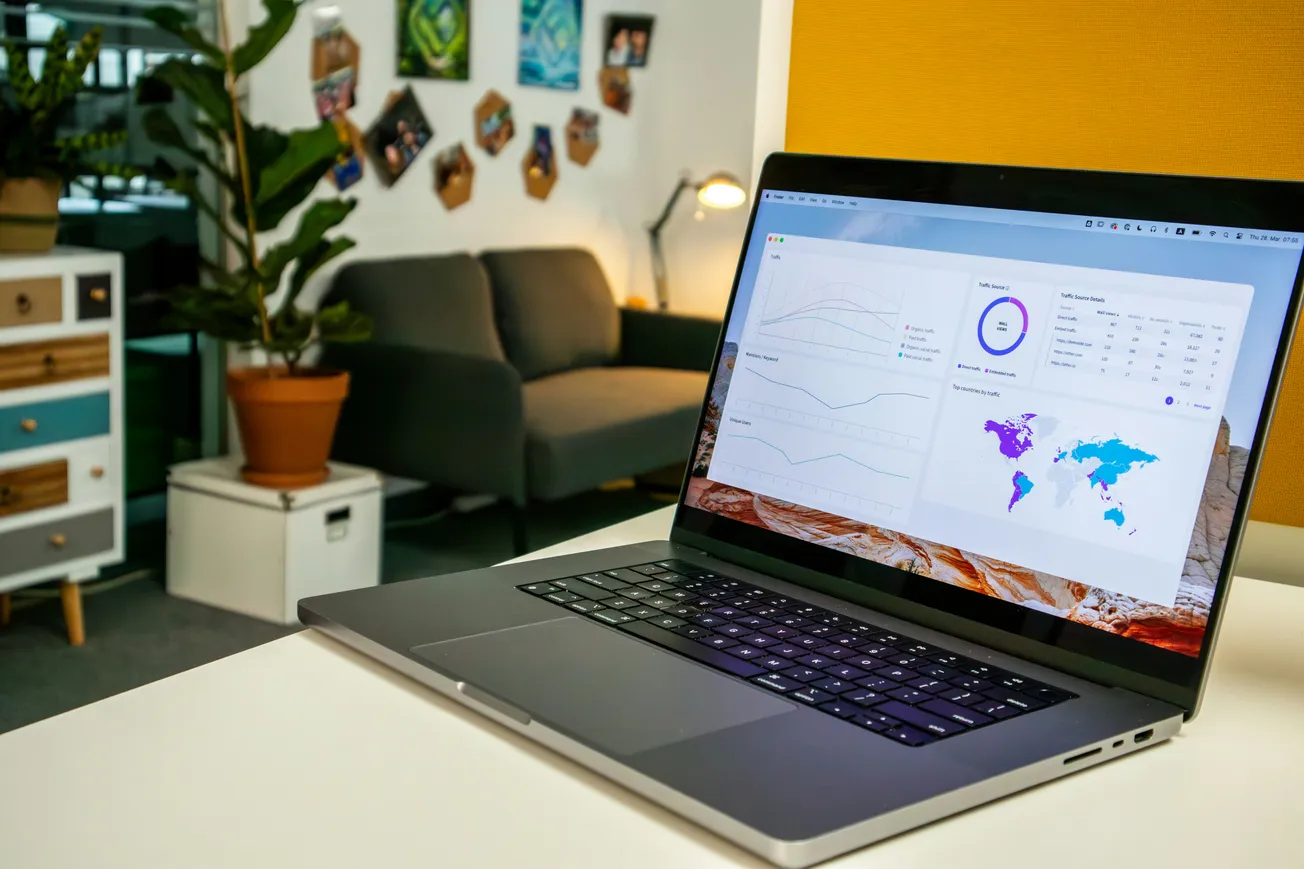
For agencies and marketing teams, the ability to generate professional reports at the click of a button is a significant operational advantage. Automated reporting allows for the scheduling of weekly or monthly updates that can be sent directly to stakeholders or clients. These reports typically include visual aids such as graphs and charts, which make complex data sets more accessible to non-technical audiences.
The transparency provided by consistent reporting builds trust between creators and their partners. When a business can clearly see the return on investment for a podcast series or a video marketing campaign, they are more likely to continue investing in those mediums. Professional reporting moves the conversation from anecdotal evidence to concrete figures, demonstrating the tangible value of high-quality media production.
Scaling Content Operations with Precision
As a brand grows, the complexity of its social media presence inevitably increases. Scaling operations without automation often leads to information gaps or delayed insights. Automated tools allow for competitive benchmarking, where creators can monitor their performance relative to industry peers. This context is vital for identifying market trends and untapped opportunities in the audio and video landscape.
Furthermore, automation supports long-term historical analysis. While native platform insights often limit how far back a user can view data, third-party automated tools frequently store historical records. This allows businesses to track growth over years rather than just weeks, providing a broader perspective on brand authority and audience loyalty. By leveraging these tools, content teams can move toward a more data-driven workflow that prioritizes quality and efficiency.
Implementing automated social media reporting is not merely about saving time; it is about gaining the insights necessary to thrive in a competitive media environment. By simplifying the technical aspects of data management, creators and businesses can spend more time producing the compelling audio and video content that defines their brand.