
The Audix PDX520 is a dynamic broadcast microphone introduced at around $400, targeting podcasters, streamers, and voiceover users seeking a professional, radio-style sound. With a rugged construction and dual EQ switches, the PDX520 enters a competitive space alongside established broadcast mics. This review assesses its build, performance, and value compared to alternatives in its price range.
Unboxing and Build Quality
The microphone ships with a zippered case, the PDX520 unit, and a 5/8" to 3/8" thread adapter. There are no included cables or shock mount.
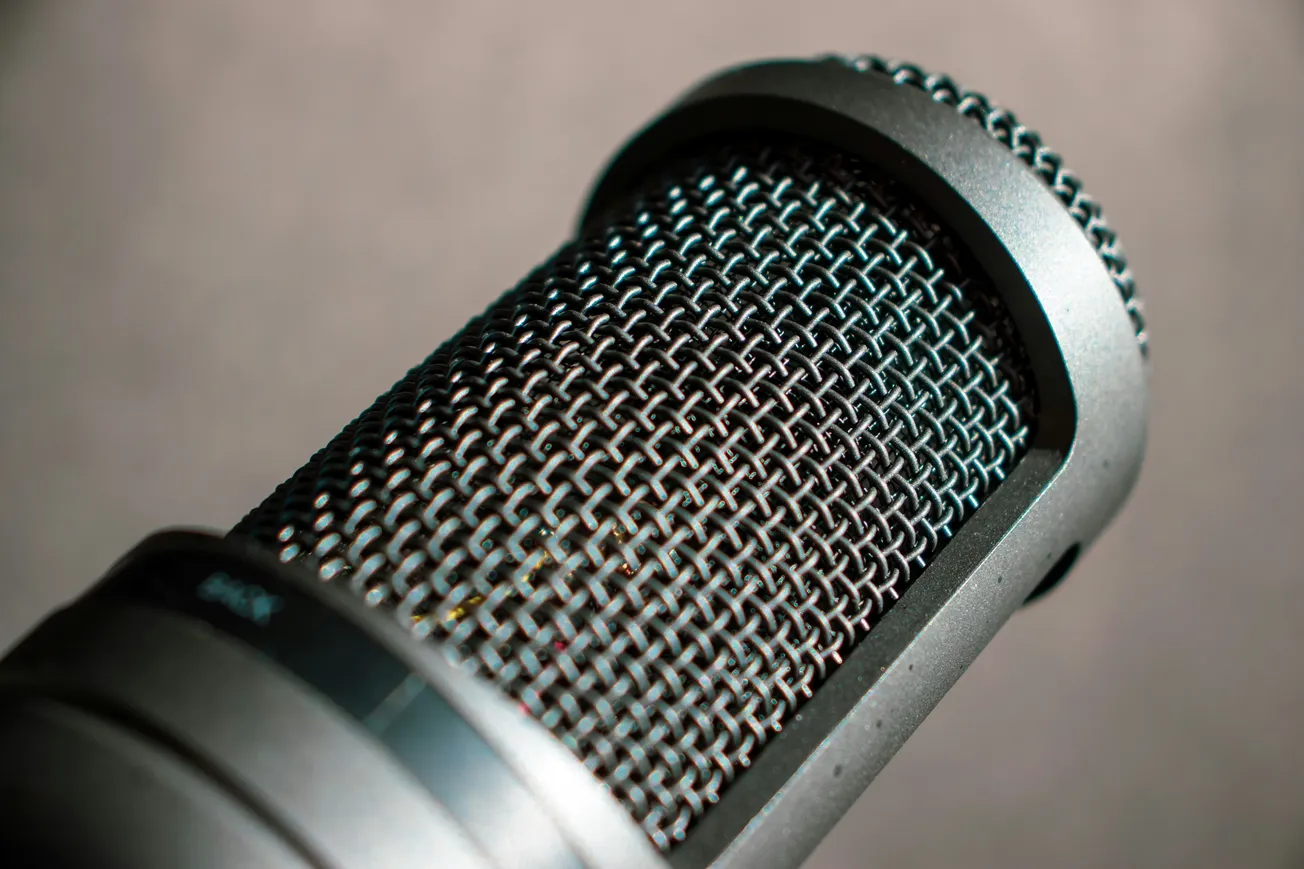
Physically, the PDX520 features a fully metal chassis and rigid mesh grille, contributing to a premium feel. A magnetically attached rear plate conceals the high-pass and presence boost switches. The integrated mount requires a 2mm Allen wrench for adjustments, which may reduce flexibility compared to thumb screw alternatives.
Sound Performance
Polar Pattern and Off-Axis Response
The cardioid pattern behaves predictably, with expected tonal shifts when moving off-axis.
Plosives and Proximity Effect
Plosive rejection is moderate; use of a pop filter is recommended for optimal results. The proximity effect is pronounced, easily enhancing low-end warmth at close range.
Background Rejection
At distances beyond one foot, signal clarity diminishes. Ambient noise pickup is on par with other dynamic broadcast mics in this range, neither exceptionally quiet nor notably noisy.
Mechanical Noise
Desk and mic stand vibrations are well-controlled. The mic’s internal shock handling is effective, minimizing low-end thumps from physical contact.
EQ Switches
- High-Pass Filter: Cuts low-end frequencies to reduce muddiness in voice recordings.
- Presence Boost: Adds clarity to higher frequencies without introducing harshness.
Both switches perform as intended and offer additional tonal shaping options without external processing.
Comparative Testing
In blind listening comparisons with more than a dozen broadcast-style microphones, the PDX520 demonstrated a balanced, darker tonality, making it suitable for spoken word and vocals requiring a softer top-end.
It held its own alongside mics such as the Shure SM7B, Electro-Voice RE20, and Heil PR40, though tonal preference ultimately varies by application. The PDX520 did not outperform these competitors universally, but offered competitive audio quality relative to its cost.
Applications
- Voice Work: The mic’s smooth top end suits narration, voiceover, and podcasting, particularly in untreated environments.
- Music Recording: On instruments like acoustic guitar and electric amps, it delivers a neutral, controlled sound without harsh peaks.
Pros and Cons
Pros
- Durable, all-metal build
- Integrated, switchable EQ options
- Effective shock rejection
- Smooth, mid-forward vocal tone
Cons
- Mount requires a tool for adjustment
- Plosive handling could be improved
- Less presence than brighter alternatives
The Audix PDX520 is a capable and well-constructed broadcast mic, offering reliable sound quality and functional EQ flexibility. While it does not introduce groundbreaking innovations, it performs respectably within its price category. Its darker tonality will appeal to users seeking a smoother vocal character, though those preferring more brightness may prefer other models.
For creators who prioritize build quality, tonal warmth, and simple onboard controls, the PDX520 is a worthwhile option in the mid-tier broadcast microphone space.
More about microphones:
 Staff Report
 Staff Report
 Staff Report