

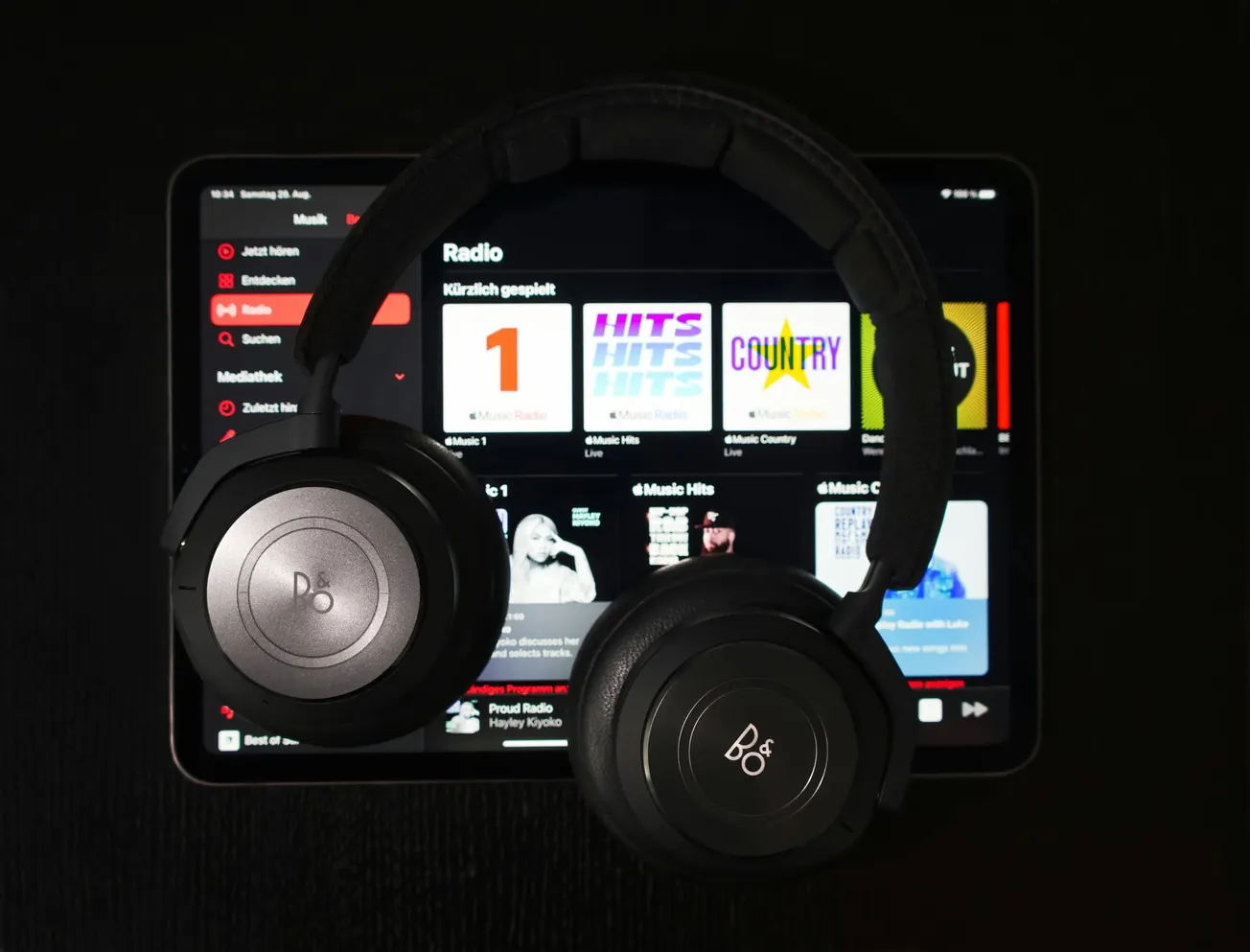
As Apple Music solidifies its position as a primary source for high-resolution audio, audiophiles are increasingly looking for ways to bypass the technical bottlenecks that can degrade sound quality. While the platform offers Lossless and Hi-Res Lossless tiers at no extra cost, achieving a "bit-perfect" signal—where the audio data remains unchanged from the source to the ear—requires moving beyond standard wireless convenience.
The Problem with Wireless and AirPlay
The most significant hurdle for high-fidelity listeners is the limitation of wireless transmission. While AirPlay is convenient, research from Darko.Audio has highlighted that AirPlay 2 often downsamples Apple Music's lossless streams to lossy AAC at 256kbps. To maintain a true lossless signal, listeners must often rely on AirPlay 1 receivers or, ideally, a direct wired connection.
Furthermore, Bluetooth remains incapable of delivering true Hi-Res audio, as even high-bitrate codecs involve some form of data compression. For creators and professionals using audio for business applications, understanding these limitations is crucial when evaluating the final quality of their productions.
Implementing a Bit-Perfect Setup
To achieve the best possible sound from Apple Music, a wired connection to an external Digital-to-Analog Converter (DAC) is the gold standard. When using an iPhone or iPad, a Lightning-to-USB or USB-C-to-USB adapter (often called a "Camera Adapter") allows the device to output a high-resolution digital signal directly to a DAC.
- Enable Lossless Audio: Navigate to Settings > Music > Audio Quality and select "Lossless" or "Hi-Res Lossless."
- Use a Dedicated DAC: Connect your device to an external DAC capable of handling 24-bit/192kHz audio.
- Wired Output: Connect the DAC via RCA or balanced cables to your amplifier or active speakers.
On a Mac, the process is slightly more complex. Because macOS does not currently offer an "Exclusive Mode" for Apple Music, the system's Audio MIDI Setup utility must be manually adjusted to match the sample rate of the song being played. Without this adjustment, the system may resample the audio, which can introduce subtle artifacts.
Hardware Recommendations for 2026
For those seeking a more streamlined "audiophile" experience without using a computer or tablet, dedicated network streamers have become the preferred solution. Devices like the WiiM Pro Plus or the Eversolo DMP-A6 are designed to handle high-resolution streams natively. These devices often include audio software that manages the digital signal path more effectively than a standard consumer smartphone.
Another popular option is the Apple TV 4K. When connected via HDMI to a modern Audio/Video Receiver (AVR) or a TV with an optical output to a DAC, it can provide high-quality audio, though it is often limited to 24-bit/48kHz. While this is technically "lossless," it does not reach the highest "Hi-Res" sample rates available on the platform.
Why Quality Matters for Creators
For educators and content teams, maintaining a high standard of audio quality is not just about vanity; it is about authority and clarity. High-resolution audio provides a larger "canvas" for recording and editing, ensuring that the final publishing product remains clear and professional even after it has been compressed for distribution.
By eliminating technical friction in the listening and production process, creators can better appreciate the nuances of their work. Whether you are a beginner or an experienced producer, adopting these audiophile practices ensures that the stories you tell are heard exactly as intended, with the full emotional and sonic impact preserved.
More about audio:
 Staff Report
 Staff Report
 Staff Report