
Visualizing Sound for Technical Precision
Audio metering is the process of using visual displays to monitor the technical characteristics of a sound signal during the production and post-production phases. While the ear is the final judge of creative quality, human hearing is subjective and prone to fatigue. Metering provides an objective, data-driven reference that ensures a recording remains within safe technical limits. In the 2026 media environment, where content is consumed on everything from high-end home theaters to budget smartphone speakers, professional metering is mandatory to ensure a consistent listener experience.
According to industry leaders like iZotope, metering serves as a safeguard against digital clipping and distortion. By translating invisible sound waves into measurable units, these tools allow creators to identify issues that might not be immediately audible in a typical editing environment. For small businesses and educators, utilizing metering tools reduces the friction of technical guesswork and ensures that every piece of published content sounds professional and authoritative.
Key Metrics for Modern Audio Standards
To master audio effectively in 2026, creators must understand several specific types of meters. Peak meters track the absolute highest voltage level of a signal, helping to prevent clipping where the audio exceeds the digital ceiling. RMS (Root Mean Square) meters provide a better representation of the average volume, more closely mimicking how the human ear perceives loudness over time.
However, the industry standard for 2026 is LUFS (Loudness Units relative to Full Scale). LUFS meters measure "integrated loudness," which accounts for the entire duration of a podcast or video. Most major distribution platforms, including Spotify, YouTube, and Apple Podcasts, use LUFS to normalize audio levels.
If a creator’s audio is too quiet, the platform will boost it, potentially introducing noise; if it is too loud, the platform will limit it, often crushing the dynamic range. Monitoring LUFS ensures that content remains at the optimal volume for these platforms.
Managing Dynamic Range and Balance
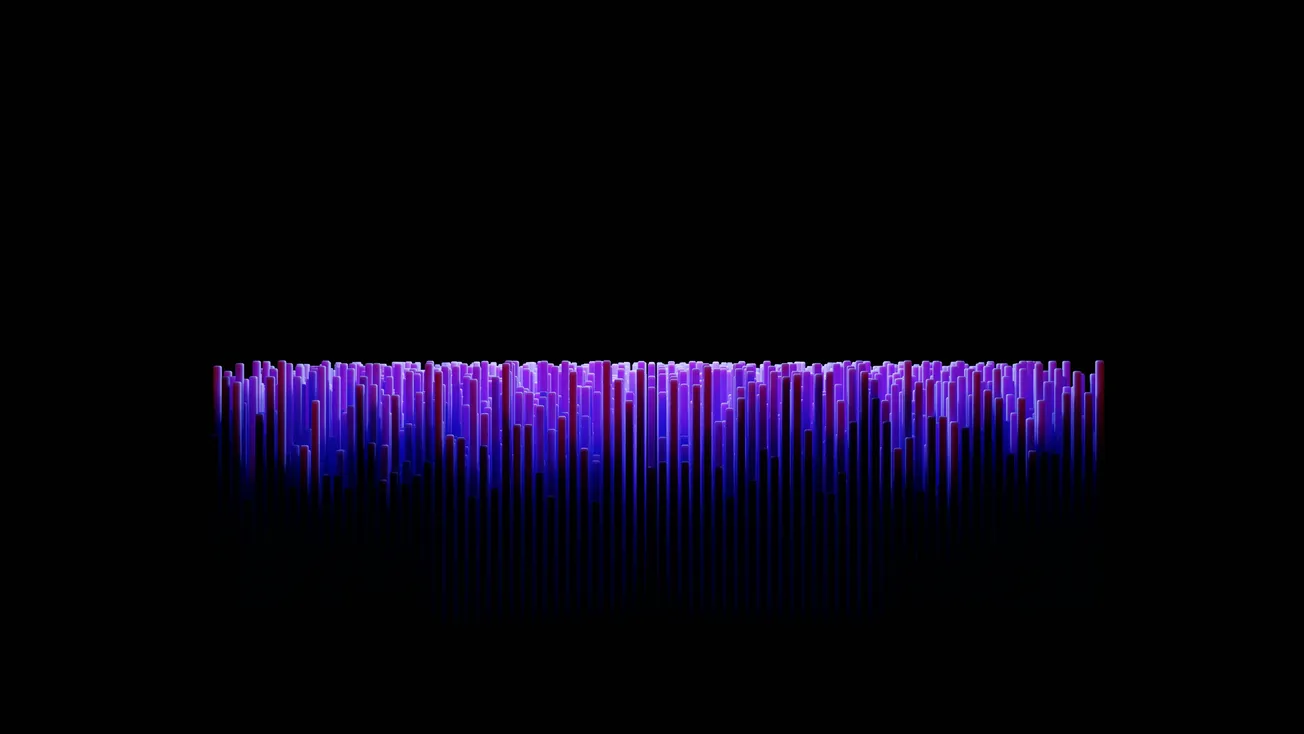
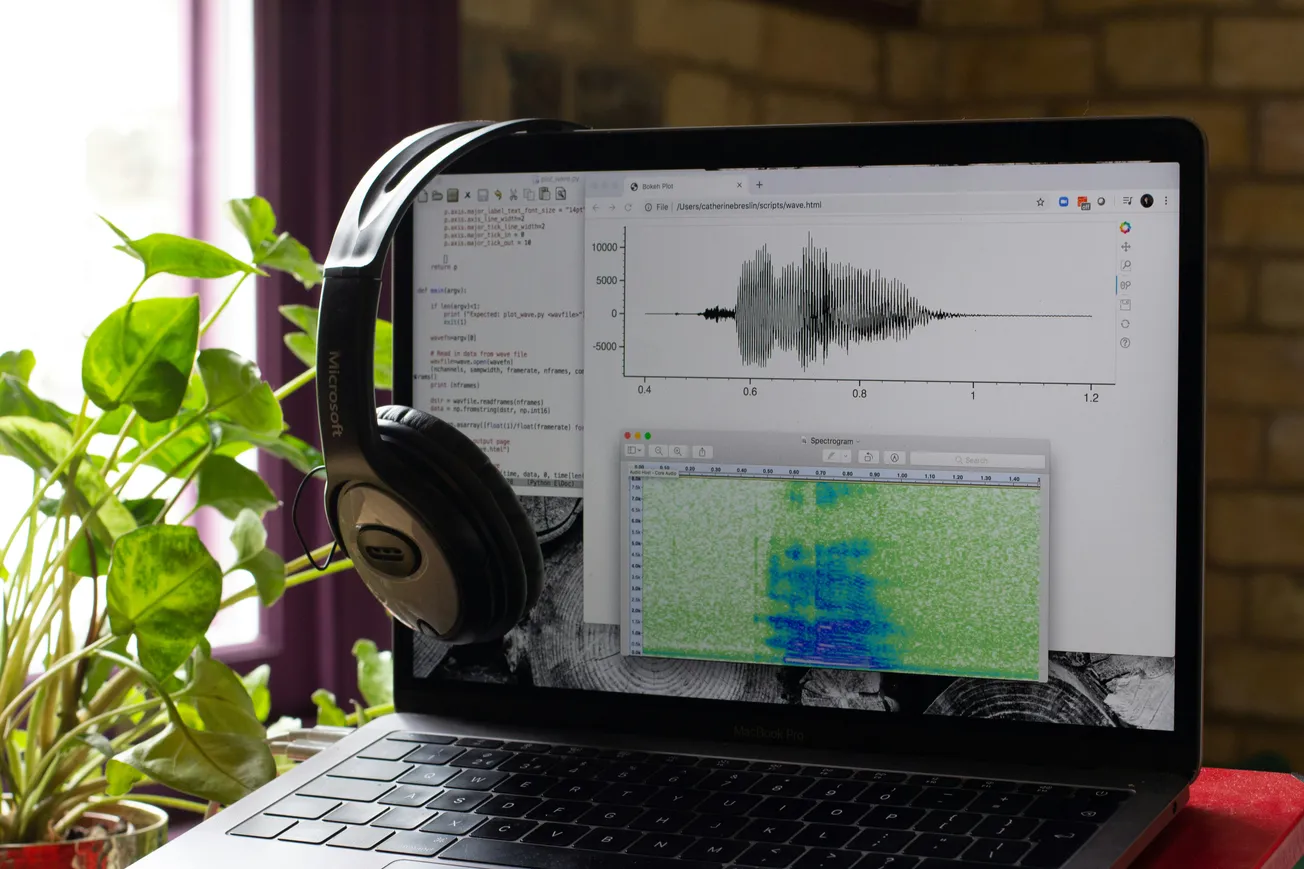
Beyond volume, metering tools such as vectorscopes and frequency analyzers provide insights into the tonal balance of a recording. A frequency analyzer shows the distribution of energy across the spectrum from bass to treble. For podcasters, this is essential for identifying "muddy" low frequencies or harsh sibilance that can make audio tiring to listen to.
Ensuring a balanced frequency response makes the content more accessible to listeners in various environments, such as a noisy car or a quiet office.
Stereo imaging and phase correlation meters are also vital for creators producing immersive or stereo content. These meters indicate if the audio is centered and if there are any phase cancellations that could cause the sound to disappear when played back on a mono device, such as a smart speaker. Maintaining a healthy phase relationship ensures that the brand’s message is delivered clearly, regardless of the hardware the audience uses.
Optimizing the Post Production Workflow
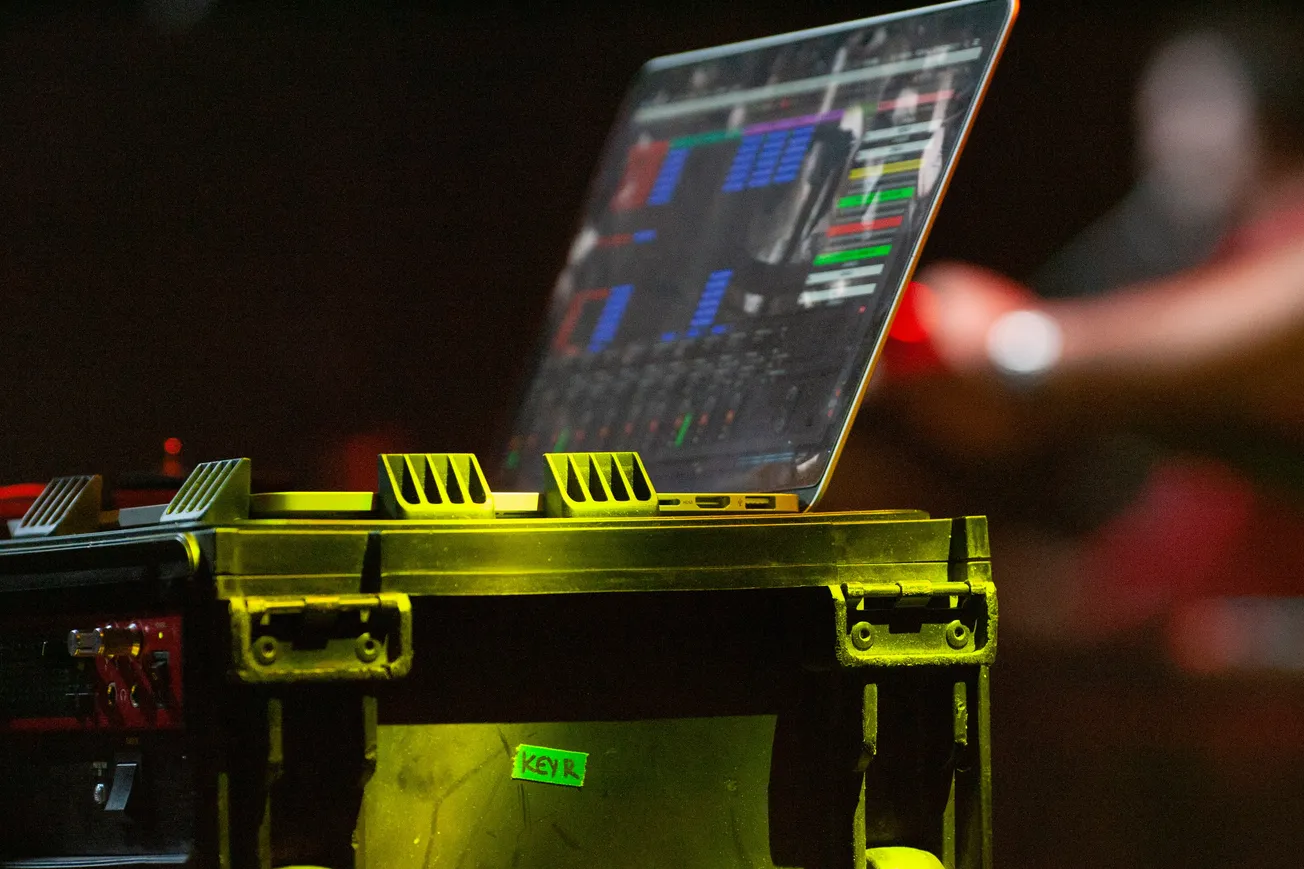
Integrating professional metering into the daily workflow allows content teams to catch technical errors early. Most modern digital audio workstations (DAWs) and video editors, including DaVinci Resolve and Adobe Premiere, include built-in metering suites. By keeping a dedicated meter visible during the mixing process, editors can make informed decisions about compression, equalization, and final gain stages.
This objective approach to audio management is particularly valuable for businesses scaling their media operations. It allows multiple team members to maintain a "house sound" by adhering to specific technical targets. When every episode of a series hits the same loudness and tonal benchmarks, it builds a sense of reliability and trust with the audience.
The Role of Metering in Final Delivery
As the final step before publishing, a mastering meter acts as the ultimate quality control check. It confirms that the file is ready for distribution and meets the specific requirements of the target platform. In a competitive digital landscape, these small technical details can be the difference between a listener staying for the duration or clicking away due to inconsistent volume or poor sound quality.
Staying informed on the latest metering standards and software tools is essential for maintaining a competitive edge in 2026. Utilizing these technical tools effectively ensures that your stories are delivered with the clarity and professional impact your audience expects.
More about audio software:
 Staff Report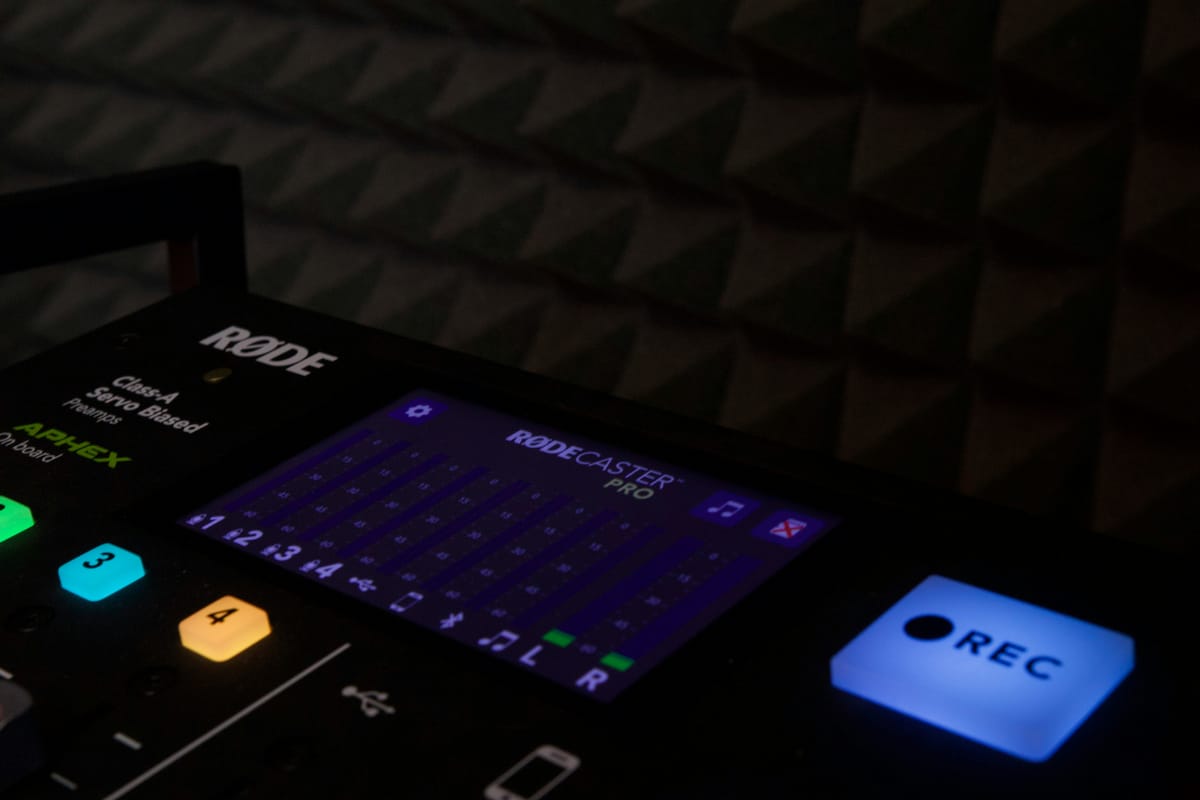
 Staff Report
 Staff Report