Expanding Video Reach Through Audacy Creator Lab
The distinction between audio and video podcasting continues to blur as platforms move toward hybrid distribution models. Audacy recently announced a significant update to its Creator Lab hosting platform, introducing a direct integration with YouTube.
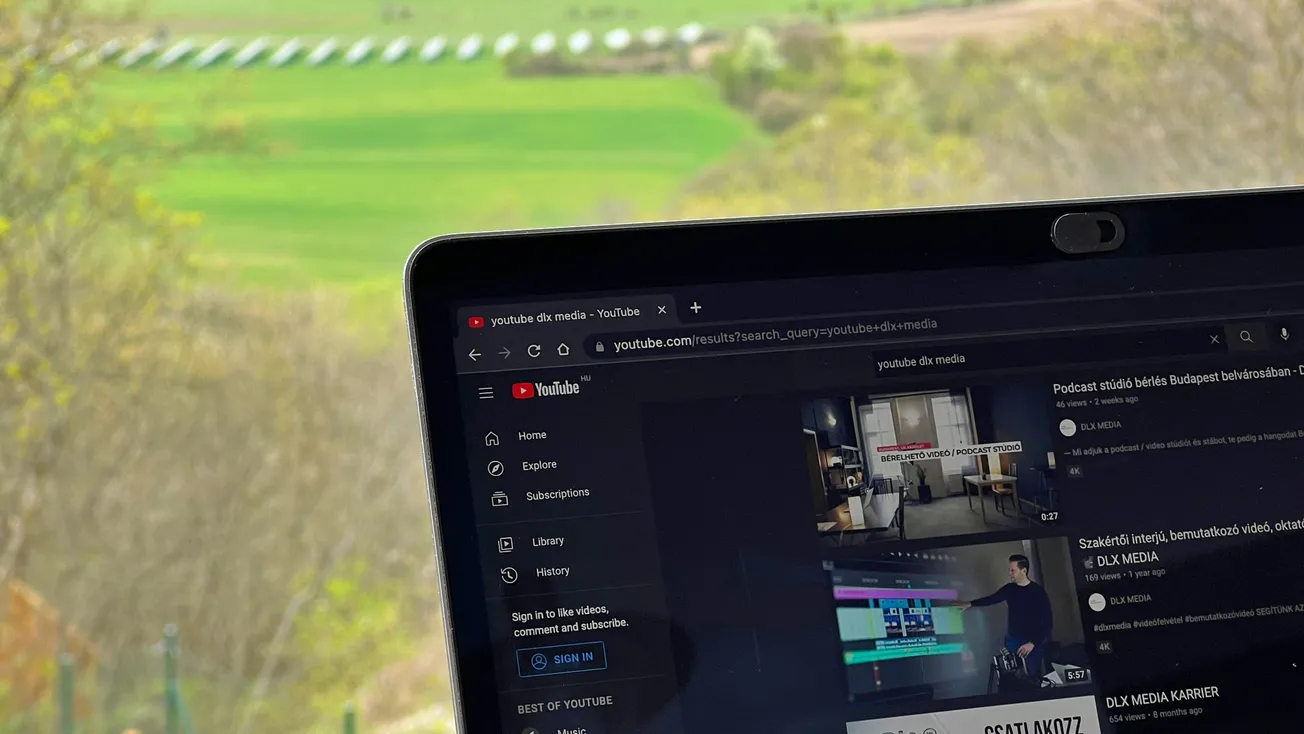
This new feature allows podcasters to publish long-form video versions of their episodes directly to their YouTube accounts from within the Audacy interface. By streamlining the transition from audio-only content to video-ready assets, the update addresses a growing demand for creators to be present where audiences naturally discover content.
As detailed in the official announcement on Podnews, the integration is designed to help creators expand their reach without disrupting existing audio workflows. While the video content is pushed to YouTube, creators maintain their distribution and monetization across traditional audio platforms like Apple Podcasts and Spotify. This dual-track approach ensures that a move into video does not come at the expense of established audio listener bases or advertising revenue streams.
The Importance of Multi-Format Distribution
The shift toward video is driven by changing consumer habits. Many listeners now use YouTube as a primary search engine for discovering new shows, often preferring to watch recorded studio sessions or visual presentations alongside the audio. For small businesses and independent creators, managing multiple uploads across different platforms can be a significant friction point. Tools that consolidate these tasks into a single dashboard help reduce the administrative burden of content management.
By automating the delivery of video files to YouTube, Audacy Creator Lab enables creators to focus more on production quality and less on the technicalities of file transfers. This functionality is particularly useful for educators and brand marketers who use podcasting as a medium for detailed tutorials or thought leadership. Having a presence on both RSS-based podcast apps and video-centric social platforms increases the surface area for brand discovery and audience engagement.
Maintaining Revenue and Workflow Stability
One of the primary concerns for creators moving into video is the potential fragmentation of their monetization strategy. Audacy has addressed this by ensuring that the YouTube integration works alongside its existing dynamic ad insertion technology for audio. Creators can continue to earn from audio advertisements while building a visual brand on YouTube. According to Leah Reis-Dennis, Head of Podcasts at Audacy, the goal is to provide flexible distribution and scalable revenue for emerging creators.
This move mirrors broader industry trends where major hosting providers are racing to integrate video capabilities. As seen in recent updates to other platforms, such as the launch of video on Apple Podcasts, the industry is signaling that video is no longer an optional add-on but a core component of the podcasting ecosystem. For those using Creator Lab, this integration represents the first step in a broader roadmap for video distribution and expanded monetization opportunities.
Actionable Steps for Creators
To take advantage of this new feature, Creator Lab partners must connect their YouTube accounts through the platform settings. Once linked, the workflow allows for the selection of video files during the episode upload process. It is recommended that creators optimize their video titles and descriptions for YouTube's search algorithm, as the metadata requirements for video often differ from those used in standard RSS feeds.
Creators should also consider the visual elements of their recordings. Since the platform now supports true long-form video rather than just static image overlays, investing in basic lighting and camera setups can significantly improve the performance of content on a visual platform. By leveraging these integrated tools, businesses and storytellers can more effectively scale their content efforts and build authority across multiple media formats.
More about software:
 Staff Report
 Staff Report
 Staff Report