
The End of Technical Friction in Audio
For years, the most significant barrier to entry for high-quality podcasting and video production was the technical complexity of gain staging. Setting input levels too low resulted in noisy, weak recordings, while setting them too high caused digital clipping that could ruin a take. In 2026, a new generation of AI-powered audio interfaces has largely eliminated these hurdles, allowing creators to focus entirely on storytelling rather than technical troubleshooting.
These smart interfaces utilize onboard Digital Signal Processing (DSP) and machine learning algorithms to analyze incoming audio in real-time. By automating the most difficult aspects of the recording chain, businesses and solo creators can now achieve broadcast-standard results without the need for a dedicated sound engineer. This review examines the leading AI-driven technologies currently defining the industry.
Automated Gain Staging and Level Protection
The most impactful feature in the current market is intelligent gain management. Systems like Focusrite’s "Auto Gain" and Audient’s "Smartgain" allow users to perform a brief soundcheck, during which the interface automatically calculates the optimal input level. This process factors in the microphone's sensitivity and the speaker's vocal dynamics to ensure a perfect signal-to-noise ratio from the start.
Beyond initial setup, "Clip Safe" technology acts as a virtual engineer by monitoring levels up to 96,000 times per second. If a sudden outburst or loud laugh threatens to distort the audio, the interface instantly adjusts the gain to preserve the recording. According to Focusrite, this technology protects audio more precisely than human intervention, making it an essential tool for unscripted interviews and live streams where volume levels are unpredictable.
Onboard AI Sound Shaping and Noise Suppression
Artificial intelligence is also transforming how we process the character of a voice during the recording stage. Modern interfaces like the Lewitt CONNECT 6 feature "Auto Setup" modes that go beyond simple volume levels. These systems analyze the frequency response of a speaker's voice and automatically apply custom EQ, compression, and noise suppression profiles.
This real-time processing happens within the interface’s hardware, meaning it adds zero latency to the monitoring path. For educators and corporate teams, this results in a "finished" sound that requires minimal post-production. Documentation from Lewitt Audio indicates that their AI-driven presets are designed to manage common environmental issues, such as air conditioning hum or room reflections, before the audio even reaches the computer.
Scalability for Business and Professional Teams
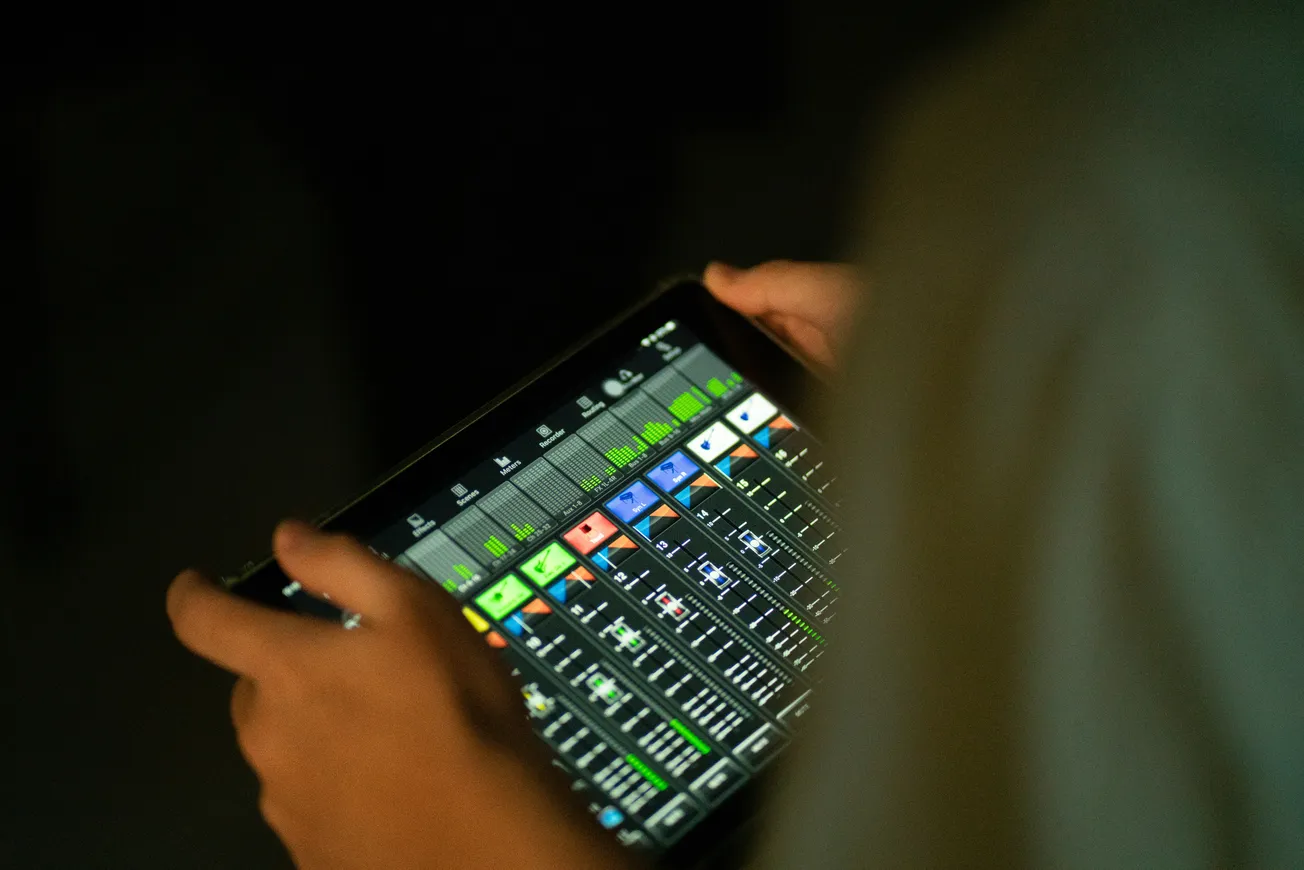
As production needs grow, AI-powered interfaces are scaling to support multi-person workflows. The Audient EVO 16, for example, can apply automated gain settings across eight inputs simultaneously. This capability is invaluable for businesses recording panel discussions or roundtable podcasts, as it ensures that every participant is leveled consistently with a single button press.
The shift toward "set-and-forget" technology allows content teams to scale their output without increasing their technical staff. While purists may still prefer manual control, the efficiency and reliability of these AI systems provide a competitive advantage for those who need to move quickly in a high-volume media landscape. By removing the fear of technical failure, these tools empower a wider range of voices to enter the professional audio space.
More about AI:
 Staff Report
 Staff Report
 Staff Report