
The Success Of A24 As A Film Studio
The success of A24 as a film studio is often attributed to its unique aesthetic and bold storytelling choices. However, a significant part of its impact stems from a specific approach to film editing that prioritizes rhythm, atmosphere, and emotional resonance over traditional linear structures. For creators and businesses, understanding these techniques offers a blueprint for producing high-quality video content that captures attention in an increasingly crowded digital landscape.
A recent analysis of the editing patterns in A24 films reveals a consistent focus on the distillation of a scene. Rather than simply moving the plot forward, the editing serves to isolate specific moments of tension or beauty. This methodology is highly effective for modern media production, where the goal is often to create a deep connection with the viewer in a short amount of time.
The Power Of Rhythmic Pacing
One of the hallmarks of an A24 production is the use of deliberate pacing. Editors often hold on a shot longer than expected to build discomfort or wonder, or they use rapid-fire cuts to simulate disorientation. This intentionality in the edit suite allows the creator to control the viewer’s physiological response. For a business producing a brand film or an educator creating a video lesson, varying the pace can prevent viewer fatigue and highlight the most important information.
In many A24 films, the edit follows the emotional logic of the character rather than the physical logic of the room. This technique, known as subjective editing, puts the audience in the headspace of the protagonist. When applied to marketing or internal communications, this approach helps humanize a brand by focusing on the human experience behind a product or service.
Visual Storytelling Without Dialogue
The distillation of filmmaking often involves removing unnecessary elements to let the visuals speak. A24 editors frequently use insert shots—close-ups of objects or environmental details—to establish a sense of place or mood without relying on expository dialogue. This is a critical lesson for video creators working with limited budgets or tight schedules. By focusing on evocative imagery, a creator can tell a complex story more efficiently.
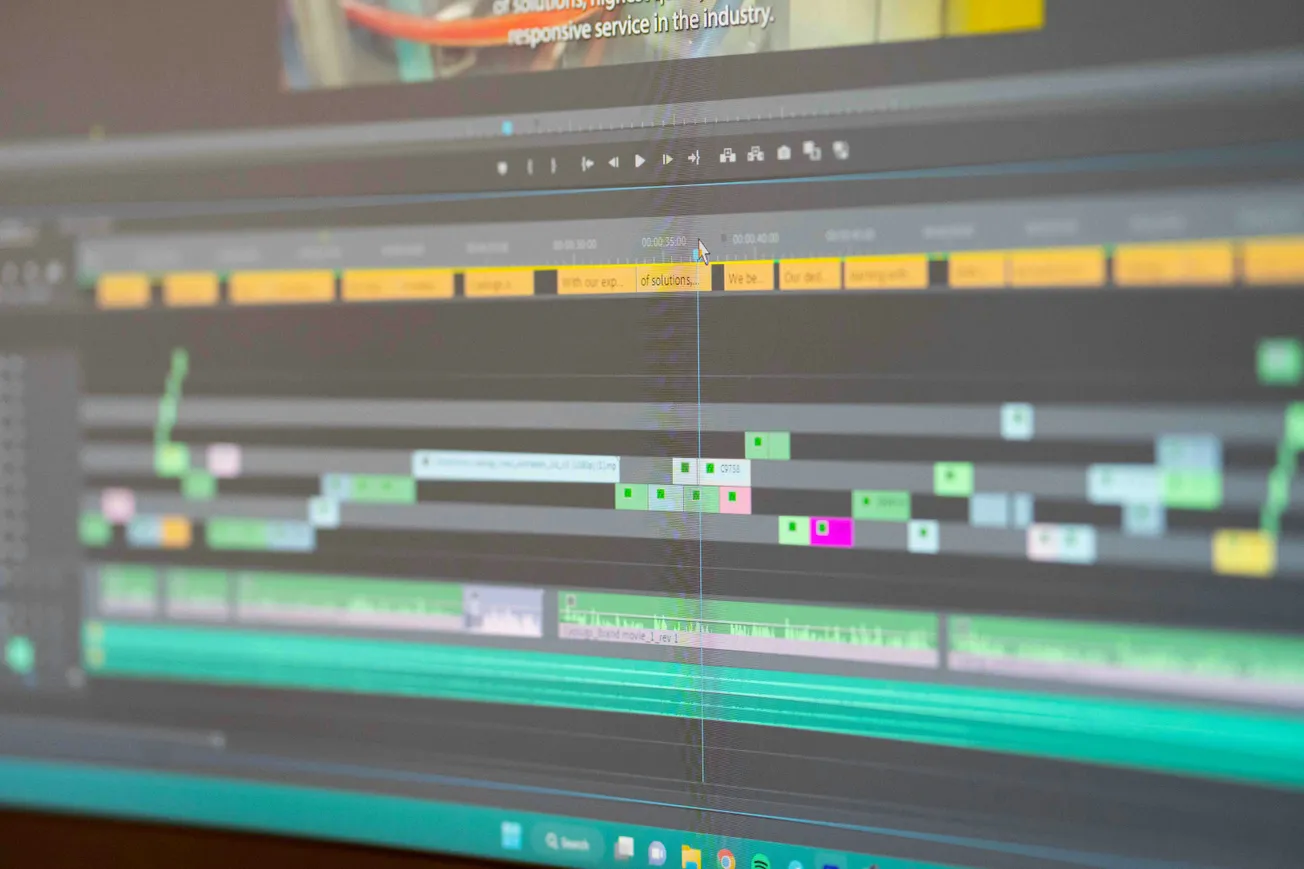
For those using modern video software, these techniques are more accessible than ever. Tools for color grading and sound design play a massive role in the A24 look. The seamless integration of audio and video is what creates the immersive atmosphere the studio is known for. Businesses can replicate this by paying closer attention to the soundscapes of their videos, ensuring that the audio reinforces the visual message.
Simplifying The Post-Production Workflow
While the results of these editing choices look sophisticated, the underlying principle is one of simplification. The goal is to identify the core message of a scene and remove anything that distracts from it. This aligns with the mission of reducing friction in the creative process. By adopting a less is more mentality during the editing phase, production teams can save time and improve the final output quality.
Aspiring filmmakers and content teams can study these edits as a masterclass in economy. Every frame must earn its place. For a small business, this might mean shortening a testimonial video to its most impactful thirty seconds rather than keeping three minutes of repetitive footage. The focus remains on the value provided to the audience.
Enhancing Engagement Through Professional Edits
The final stage of the A24 editing philosophy is the refinement of the cut. Whether it is a hard cut for impact or a slow dissolve for transition, the choice of transition dictates the flow of the narrative. Using professional video software to experiment with these transitions can transform a standard corporate video into a compelling narrative.
As the demand for high-quality video continues to rise, creators must look beyond basic tutorials and study the work of industry leaders. By applying the distillation techniques seen in top-tier independent cinema, businesses and educators can build authority and reach wider audiences. Understanding the why behind an edit is just as important as the how.
More about editing:
 Staff Report
 Staff Report
 Staff Report