

Low YouTube view counts are rarely caused by one isolated mistake. More often, a channel is sending unclear signals, targeting topics with little demand, losing potential viewers at the click stage, or failing to hold attention after the video begins.
A guide from Async outlines five practical fixes creators can apply to improve discovery, engagement, and retention.
Start with a clear channel focus
YouTube has a better chance of matching videos with the right viewers when a channel consistently covers a recognizable subject or audience. A channel that moves between unrelated topics gives both the recommendation system and potential subscribers less context.
Creators can review their last 10 uploads and ask whether a new viewer could predict the next video from the previous five. A focused angle, such as beginner software tutorials, regional travel, or a defined business topic, can make early audience development more straightforward than broad, general-interest publishing.
Use keywords as supporting signals
Channel keywords are available in YouTube Studio under Settings > Channel > Basic info. Adding relevant terms can help clarify a channel’s subject, but keywords are not a substitute for strong content. Video titles, descriptions, audience response, watch time, and satisfaction signals carry greater importance in discovery.
For podcast producers and businesses repurposing long-form video, consistent terminology across episodes, descriptions, and playlists can reinforce what viewers should expect from the channel.
Improve the title and thumbnail package
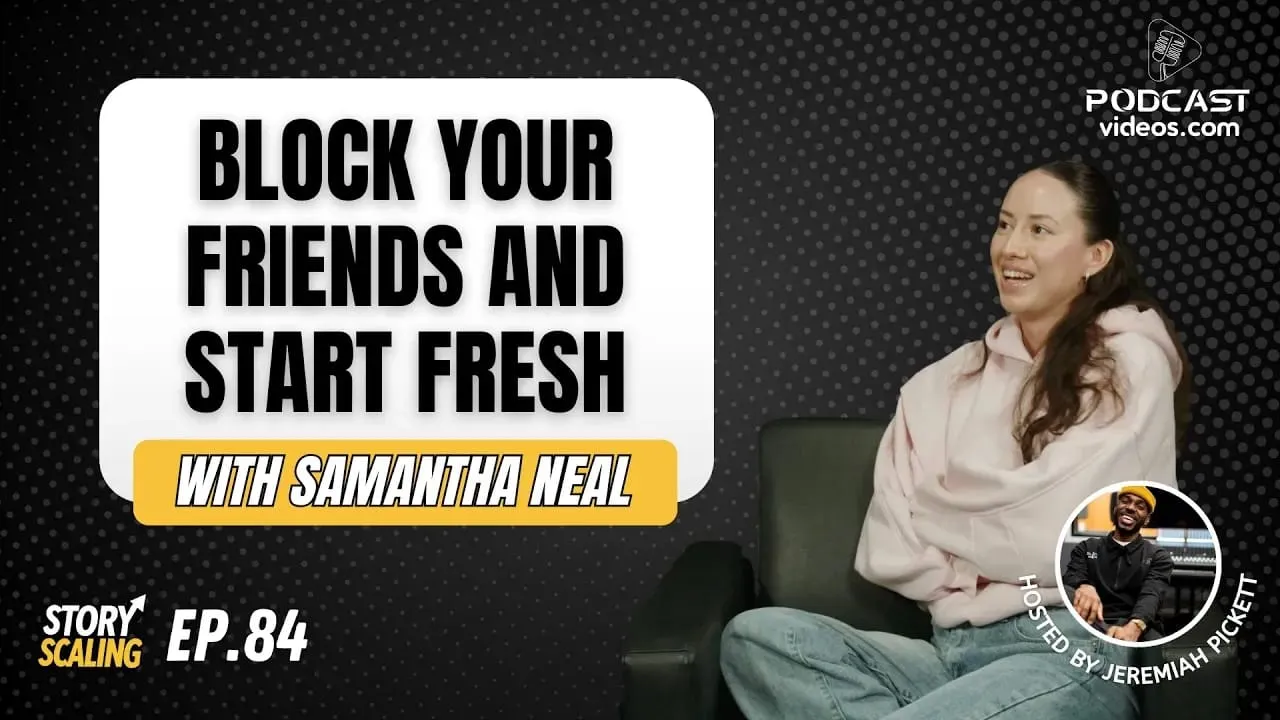
A strong video cannot perform if viewers do not click. Titles should make a specific promise or clearly communicate an outcome, while thumbnails should be easy to understand at a glance. One focal point, limited text, and strong contrast are generally more effective than crowded designs.
Before recording, creators can test whether the concept would interest a stranger, trigger an emotion, answer a question, or be worth sharing. Async also offers AI-assisted thumbnail generation, allowing users to create and refine concepts from a reference image or video still.
Choose topics with search demand
Smaller channels often benefit from answering specific questions rather than relying on personality-led videos that require an established audience. Search-focused topics give YouTube a clearer connection between a viewer’s query and the video’s subject.
Keyword research tools such as TubeBuddy and Ahrefs can help identify topics with meaningful demand and less competition. Once selected, the subject should appear naturally in the title, early description text, and spoken introduction. This approach is especially relevant for faceless channels, which have less personal-brand recognition to drive initial interest.
Fix the opening and retention issues
The first seconds should confirm that the video will deliver on its title and thumbnail promise. A useful opening can show the result immediately, preview what is coming, and introduce a question or unresolved point that encourages continued viewing.
Creators should examine YouTube retention graphs for steep early drop-offs, slow introductions, filler, dead air, and sections that do not advance the story. Async’s Engagement Booster is designed to analyze recordings and suggest changes to hooks, pacing, transitions, and story flow. Users can review the recommendations, apply selected edits, and continue refining the video in the same editor.
A combined approach is more useful than a single trick
Improving YouTube performance usually requires several connected adjustments: clearer positioning, better packaging, more relevant topics, and stronger viewer retention. By using analytics to identify the weakest stage of the process, creators can prioritize the fix most likely to improve their next upload instead of applying every tactic equally.