
Extending the Life of Legendary Optics
The Zeiss Otus 35mm f/1.4 has long been regarded as one of the finest pieces of glass ever engineered for full-frame cameras. Known for its clinical sharpness and lack of optical aberrations, this lens was originally designed for DSLR mounts such as Canon EF and Nikon F. Recent industry updates from No Film School highlight how this legendary lens is finding a new life on modern mirrorless camera systems through dedicated mount conversions and high-quality adapters.
For creators and businesses, the ability to use legacy high-end glass on the latest camera bodies is a significant advantage. Mirrorless systems from Sony, Canon, and Panasonic offer advanced autofocus and internal stabilization, but the character and resolution of a lens like the Otus 35mm remain difficult to replicate. By utilizing the ML-mount or similar conversion kits, cinematographers can maintain their investment in premium optics while upgrading their camera sensors.
The Performance Standard for High-Resolution Video
The Zeiss Otus series was built specifically to handle the demands of high-resolution sensors, originally targeting 50-megapixel stills and beyond. In the context of modern video production, this translates to incredible performance for 6K and 8K workflows. The 35mm focal length is particularly versatile, serving as a standard wide-angle lens suitable for interviews, commercial b-roll, and documentary storytelling.
One of the defining characteristics of the Otus 35mm f/1.4 is its performance at the widest aperture. Most lenses lose significant sharpness or introduce color fringing when shot wide open. However, the Otus maintains edge-to-edge clarity and high contrast even at f/1.4. For businesses producing content in low-light environments or seeking a shallow depth of field to separate a subject from the background, this lens provides a professional aesthetic that cheaper glass cannot match.
Practical Integration into Professional Workflows
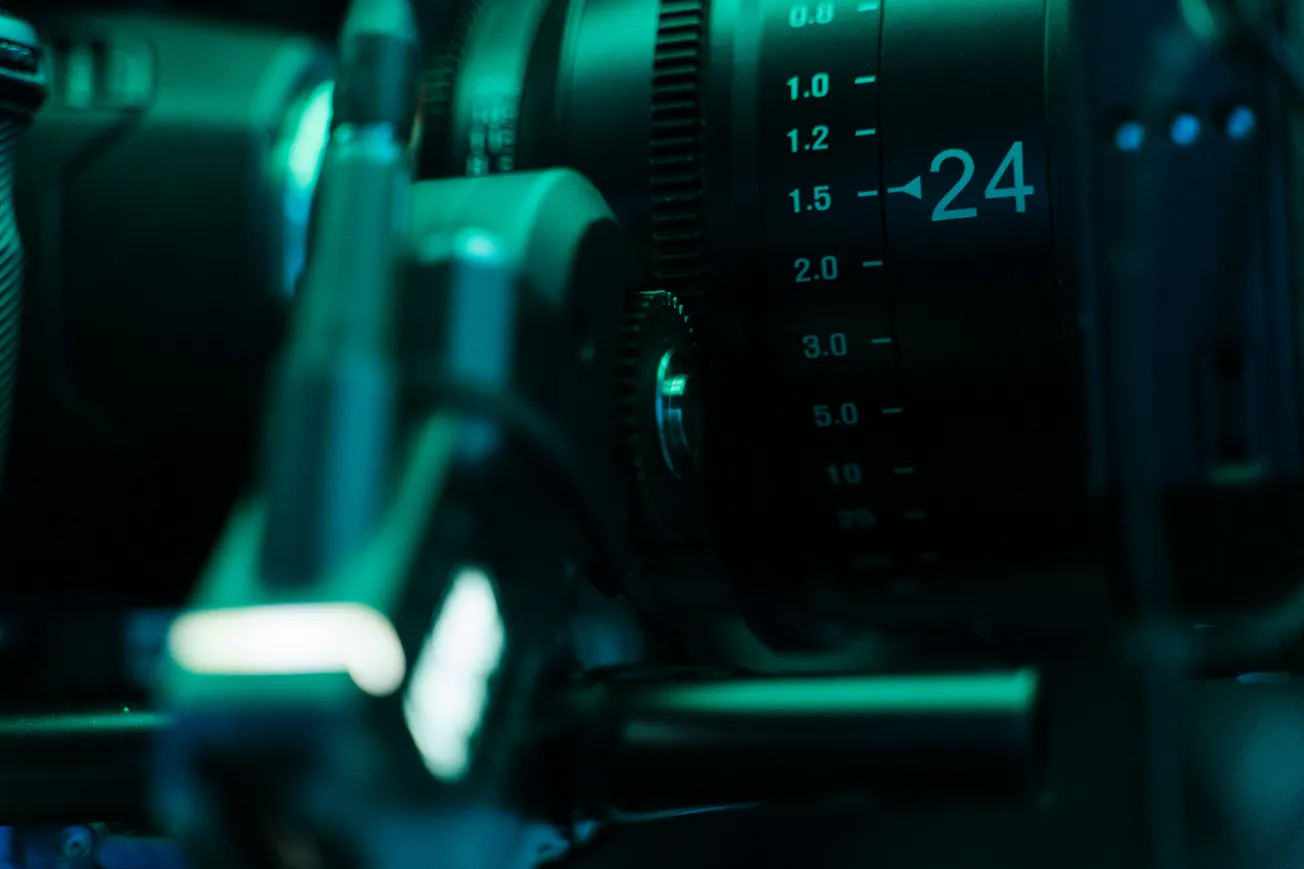
While the Otus is a manual focus lens, its long focus throw and smooth mechanical feel make it ideal for video production. Creators often pair these lenses with follow-focus systems to ensure precise control during takes. The inclusion of new mount options allows production teams to bypass the potential stability issues of cheap third-party adapters, ensuring a more secure connection between the lens and the camera body.
Integrating high-performance lenses into a production kit is often a better long-term strategy than frequently upgrading camera bodies. Sensors tend to depreciate quickly, but world-class optics like those from Zeiss hold their value and utility for decades. For marketing teams and educational content creators, investing in a set of prime lenses ensures a consistent visual brand across various projects.
Future Proofing Your Production Kit
As camera technology continues to move toward shorter flange distances and mirrorless mounts, the adaptability of the Zeiss Otus line ensures it remains a viable tool for professional storytelling. The shift toward hybrid mirrorless cameras has opened new doors for creators who need compact setups without sacrificing image quality.
For those looking to build a professional studio or upgrade their current recording equipment, understanding the relationship between glass and sensor resolution is critical. High-quality optics are the foundation of any professional video strategy. More information on selecting the right tools for a production workflow can be found by exploring recent guides on video equipment and modern recording standards.
More about video equipment:
 Staff Report
 Staff Report
 Staff Report