
The State of Women in Digital Media 2026
As Women's History Month begins, the digital media landscape of 2026 reflects a period of both significant technological advancement and ongoing social shifts. While tools for audio and video production have become more accessible than ever, data from early 2026 indicates that gender parity in hosting and technical leadership remains a work in progress. For businesses and individual creators, understanding these trends is essential for building inclusive brands and leveraging the full potential of modern storytelling.
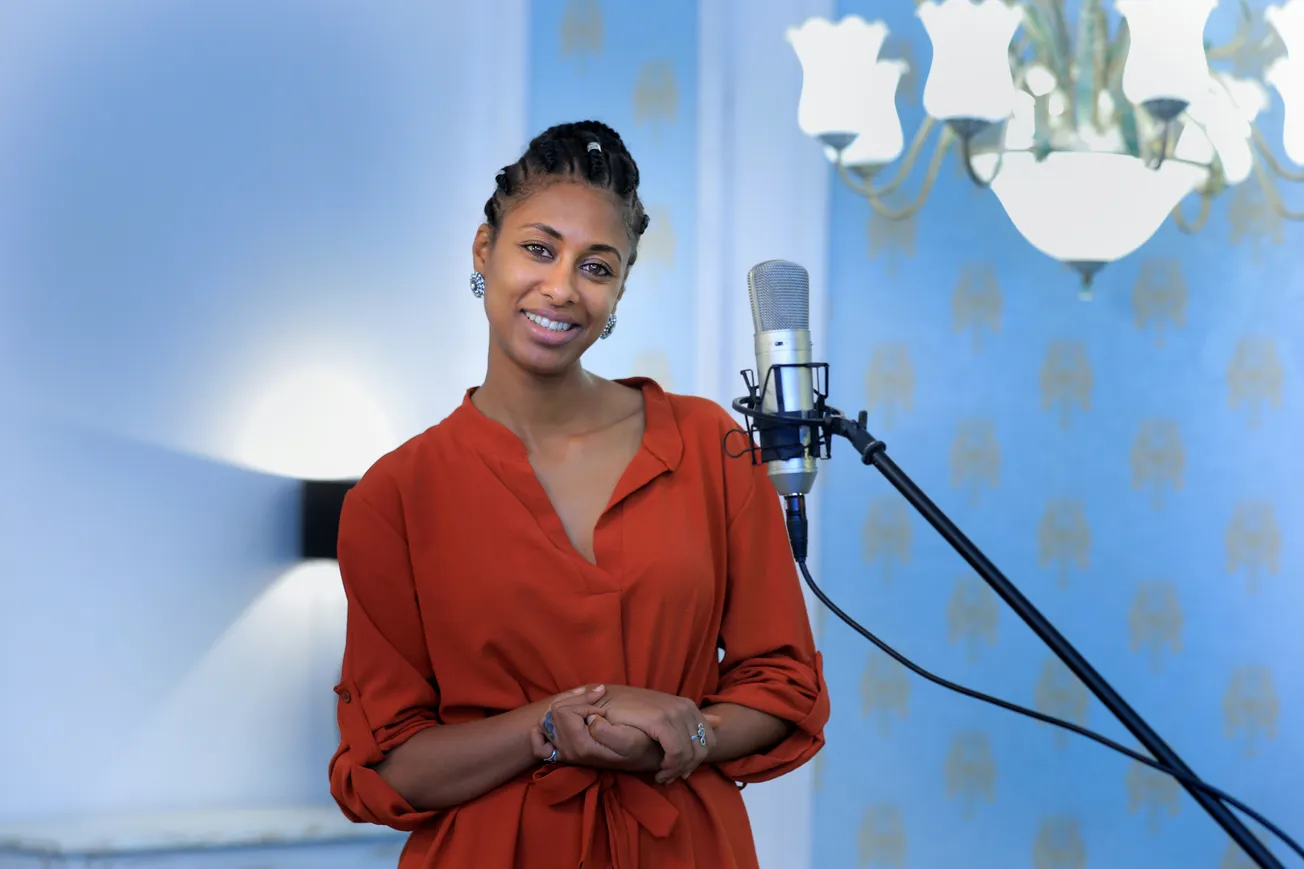
According to the Women's Podcast Report by Edison Research, women-hosted podcasts have seen a steady rise in influence over the last two years. However, the USC Annenberg Inclusion Initiative reports that as of late 2025, only 35.9% of the top 100 podcasts were hosted by women. This disparity is even more pronounced in the business and technology genres, where women hold only 7.7% of hosting roles. These figures highlight a critical "entry problem" rather than a lack of commitment, as women are not quitting at higher rates than men, but are often facing structural barriers to starting.
Shifting Toward Video-First Production
One of the most defining trends of 2026 is the transition to video-first podcasting. Platforms like YouTube, Spotify, and Apple Podcasts have fully integrated video features, making visual engagement a core requirement for growth. For women creators, this shift offers new opportunities for brand authority and community building. Research shows that 90% of Gen Z podcast consumers engage with video content, and video viewers are 44% more likely to give their undivided attention to a show compared to audio-only listeners.
The rise of video has also changed the technical requirements for creators. Small businesses and educators are increasingly adopting mirrorless cameras and AI-powered editing tools to reduce production friction. Tools that automate the creation of short-form clips for TikTok and Instagram Reels have become standard in effective podcasting workflows, allowing creators to maintain a multi-platform presence without a full production team.
Bridging the Representation Gap in Tech
Beyond hosting, women are making significant strides in the technical and executive branches of media. Organizations such as Women in Media have been instrumental in pushing for inclusion behind the camera, specifically for cinematographers, gaffers, and editors. In 2026, these efforts are supported by a growing number of grants and mentorship programs designed to elevate female voices in high-production-value projects.
The impact of women in technology is not a new phenomenon but a continuation of a long history. From Hedy Lamarr’s frequency-hopping technology, which underpins modern Wi-Fi and Bluetooth, to the early programming work of Ada Lovelace and Grace Hopper, women have pioneered the foundational systems used in today’s digital recording and distribution. Recognizing these contributions helps frame current efforts to increase diversity as a continuation of historical innovation.
Resources for Scaling and Empowerment
For women looking to enter or scale within the industry in 2026, several resources provide technical support and networking opportunities:
- Certification and Networking: The Women's Business Enterprise National Council (WBENC) offers certification and procurement opportunities for women-owned production companies and agencies.
- Media Intelligence: Partnerships between groups like Women in PR North America and analytics firms provide creators with the data and insights needed to quantify their influence and reach.
- Production Support: Grants such as the Short Form Film Finishing Grant provide the financial and gear support necessary to transition from independent creator to professional producer.
As the industry moves toward more authentic, human-centric content in the age of AI, the unique perspectives offered by women creators are more valuable than ever. By addressing the barriers to entry and utilizing modern, efficient workflows, women in media are not just participating in the landscape but actively redefining it for the future.
More about women in podcasting:
 Staff Report
 Staff Report
 Dan Craft