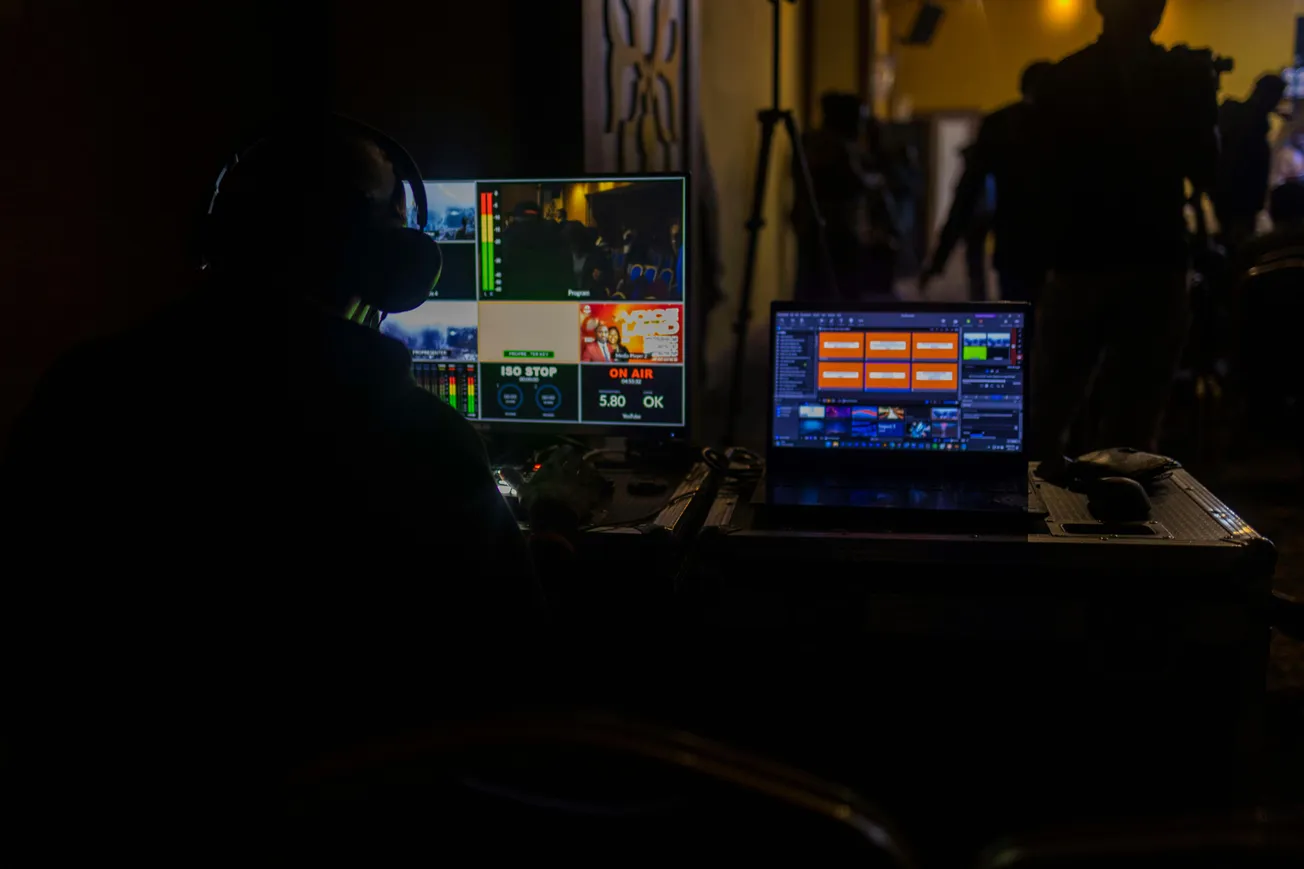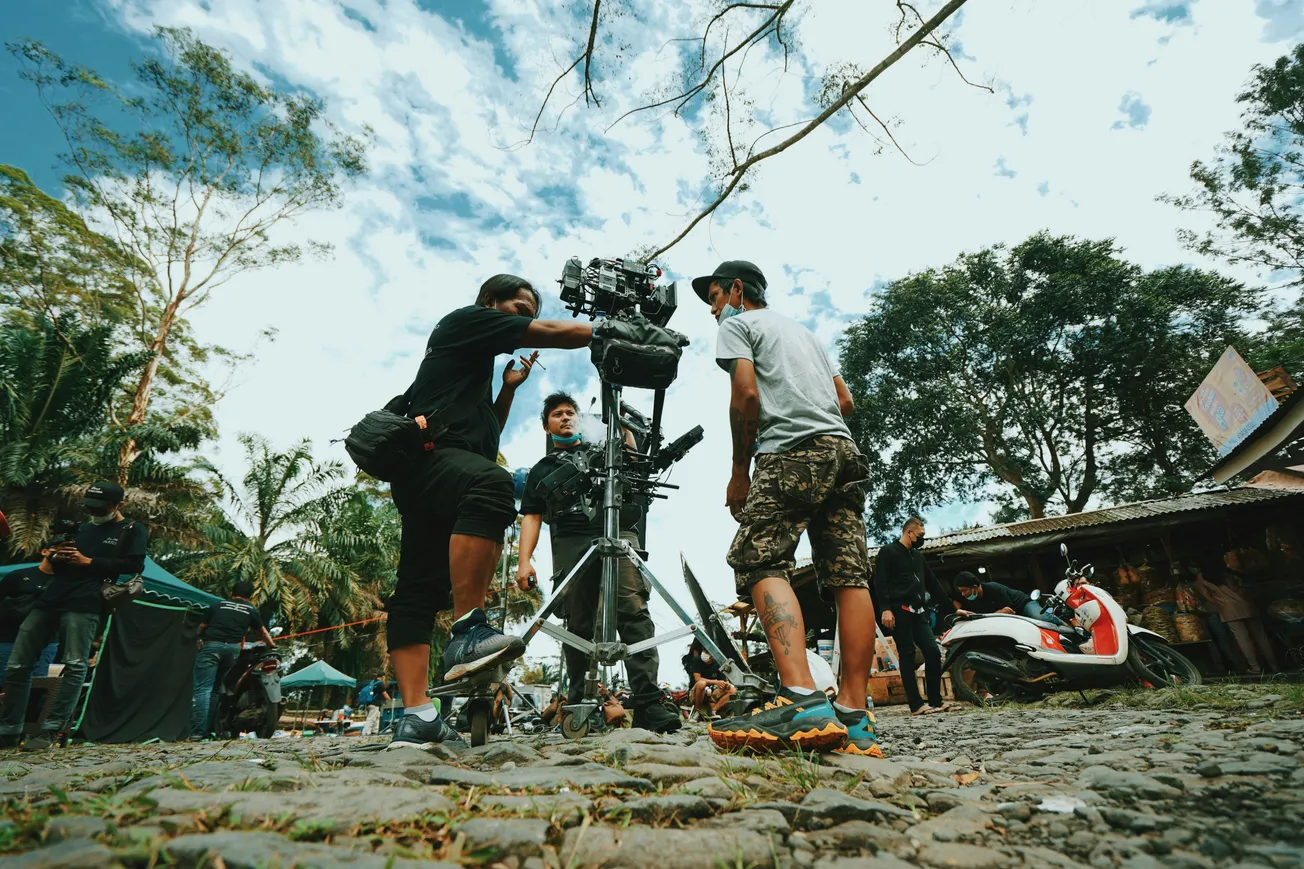

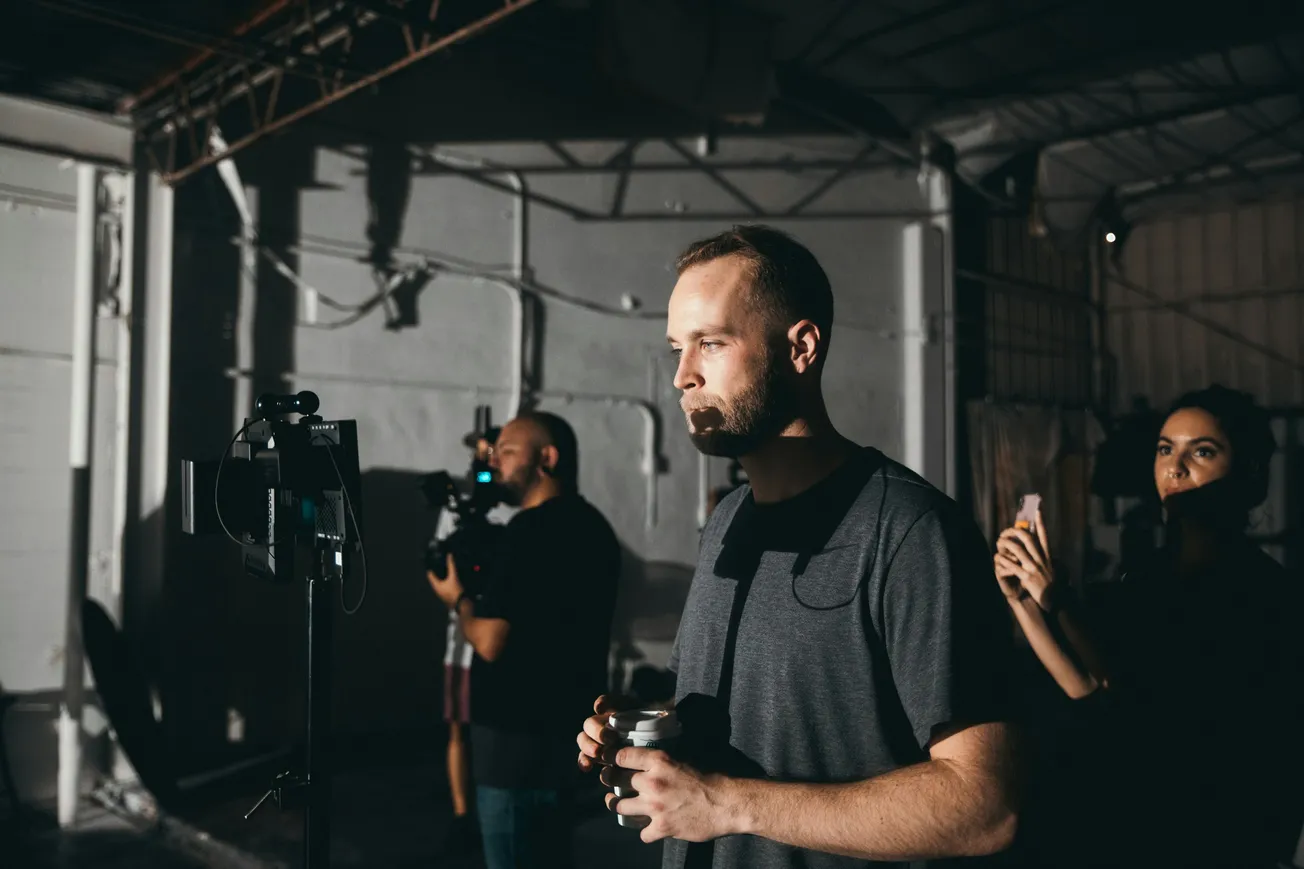
A director serves as the primary creative lead for a film or video project, acting as the bridge between a written script and the final visual product. While many associate the role exclusively with shouting instructions on a set, the director’s influence begins long before the cameras roll and continues until the final frame is polished. The core responsibility is to maintain a unified vision, ensuring that every department—from lighting to acting—contributes to a singular storytelling goal.
For businesses and content creators, understanding the director's workflow is essential for reducing friction during production. Whether producing a high-end commercial or a specialized educational series, a director manages the creative tone and technical execution to ensure the output aligns with the intended brand identity.
Pre-Production and the Visionary Phase
The work of a director begins in pre-production, where the script is analyzed and translated into a visual plan. This phase involves "breaking down" the script to identify the emotional beats of each scene. The director collaborates closely with the Director of Photography (DP) to establish the visual language of the project, including color palettes, framing, and movement.
During this stage, directors also lead the casting process. Finding the right talent is about more than just acting ability; it is about finding individuals who embody the nuances of the characters and can take direction effectively. This preparation ensures that the team enters the recording phase with a clear map, preventing costly delays and creative confusion.
The Technical Art of Production
On set, the director is the final authority on creative decisions. They work to balance the performances of the actors with the technical requirements of the camera and sound departments. A significant portion of a director's day is spent managing "the block," which refers to the physical movement and positioning of actors within a space.
Clear communication is the director's most valuable tool during recording. They must translate complex emotional cues into actionable instructions for talent while staying mindful of the technical constraints of the video equipment. This dual focus ensures that the footage captured is not only technically sound but also narratively compelling.
Post-Production and the Final Polish
Once production wraps, the director moves into the editing suite to oversee the assembly of the footage. This is often referred to as the "final rewrite" of the film. The director works with editors to refine the pacing, select the best takes, and integrate sound design and visual effects.
In post-production, the director ensures that the original vision remains intact despite the inevitable changes that occur during filming. They provide a critical eye on the narrative flow, making sure that the transition between scenes is seamless and that the emotional impact of the story is maximized. For businesses, this stage is where the raw data is transformed into a professional asset that builds authority and reaches wider audiences.
The Impact of Strong Direction
Effective direction eliminates ambiguity in storytelling. By serving as a central point of contact for creative decisions, a director allows other team members—such as audio engineers and camera operators—to focus on their specific technical tasks. This structure is what allows professional productions to scale efficiently, regardless of the project's size.
Whether you are a beginner looking to understand the basics of video software or a business team scaling your content production, recognizing the value of the directorial role is key. Strong direction leads to better stories, higher output quality, and a more effective connection with the target audience.
More about filmmaking:
 Staff Report
 Staff Report
 Staff Report