

Warner Bros. Discovery (WBD) — the media powerhouse behind Warner Bros. studios, HBO, and HBO Max — is at the center of one of the most consequential entertainment deals in recent history. After years of restructuring, CEO David Zaslav has put the company’s assets up for strategic review, sparking intense competition among major media players for control of the iconic brand.
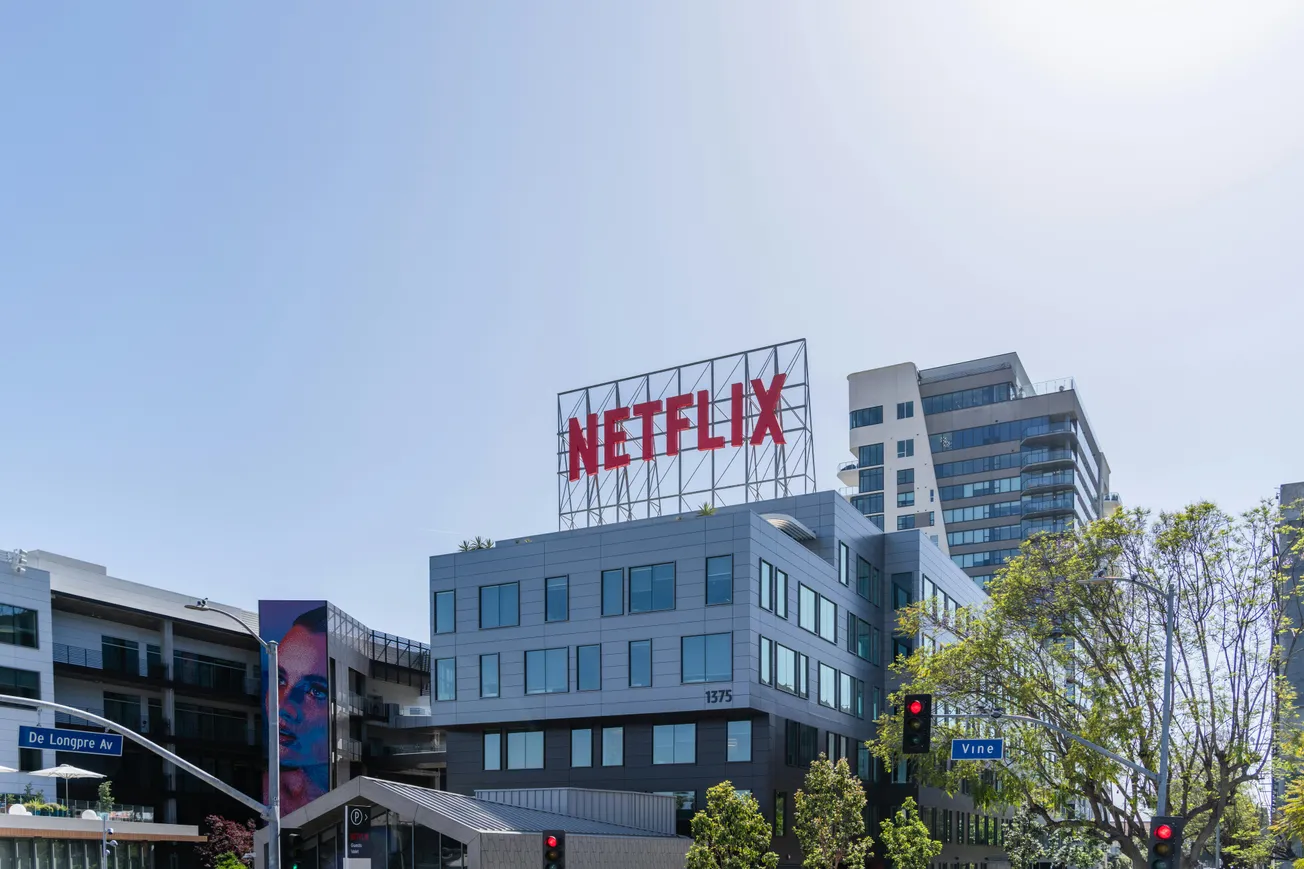
Earlier this month, WBD agreed to be acquired by Netflix in a landmark transaction valued at roughly $82.7 billion. The deal covers Warner Bros.’ studio and streaming operations — including its vast library of franchises such as Game of Thrones and DC Comics — and positions Netflix as a dominant force in content creation and distribution.
As part of the acquisition discussion, CEO David Zaslav has publicly supported this direction, calling the Netflix deal a “clearer path forward” for the company in a memo to staff. WBD plans to spin off its Discovery Global cable networks into a separate publicly traded entity, enabling focused operations for both streaming/studio and traditional network businesses.
However, competition hasn’t disappeared. Paramount Skydance — led by David Ellison and backed by significant Gulf sovereign wealth investment — launched a hostile bid approaching $108 billion for WBD, arguing it would offer greater value to shareholders and preserve the full breadth of assets, including television networks often excluded by the Netflix agreement.
These negotiations have played out against the backdrop of Warner’s broader transformation. Zaslav’s sell‑off and restructuring efforts reflect both mounting debt and the pressures of a media landscape tilted toward streaming dominance — where legacy studios must adapt or risk dilution.
For Zaslav personally, the stakes are high: a sale not only reshapes Hollywood’s competitive order but could also materially increase his own compensation through vested shares tied to a change‑of‑control event.
As regulatory reviews and shareholder votes loom in 2026, the outcome will likely set a precedent for how legacy entertainment brands navigate consolidation, streaming wars, and the demands of a shifting digital economy.