

Securing a green light for a video project often requires more than a strong script or a technical checklist. For directors of photography and creative leads, the ability to communicate a specific visual atmosphere is the difference between winning a contract and losing it.
Recent insights from the Sundance Film Festival reveal that many successful cinematographers are shifting away from traditional still photography references in favor of more dynamic and personalized visual aids during the pitching phase. This trend offers valuable lessons for businesses and content creators who need to align stakeholders or clients on a creative vision before recording begins.
Moving Beyond Static Reference Stills
Traditionally, filmmakers used "stills" from existing movies to show directors or clients the intended look of a project. However, as noted by several cinematographers at Sundance, relying solely on other people's work can sometimes limit original creativity. Instead, professionals are increasingly using "lookbooks" that incorporate a wider variety of media. This might include physical paintings, texture samples, or even short video clips that capture a specific motion or lighting change.
For a small business or a marketing team, this translates to creating more robust mood boards. Rather than just showing a single photo of a well-lit office, a creator might present a short clip demonstrating how shadows move across a space or how a specific color grade affects the mood of a product shot. Providing this level of detail during the pre-production phase reduces friction and ensures that the final output meets the expectations of the brand or client.
The Power of Custom Lookbooks
Many directors of photography now create custom visual presentations tailored specifically to the project at hand. In a report by No Film School, cinematographers emphasized that these presentations are not just about aesthetics; they are about proving an understanding of the story. A well-constructed lookbook communicates the emotional arc of the video, showing how the lighting or camera movement might evolve from the beginning of a segment to the end.
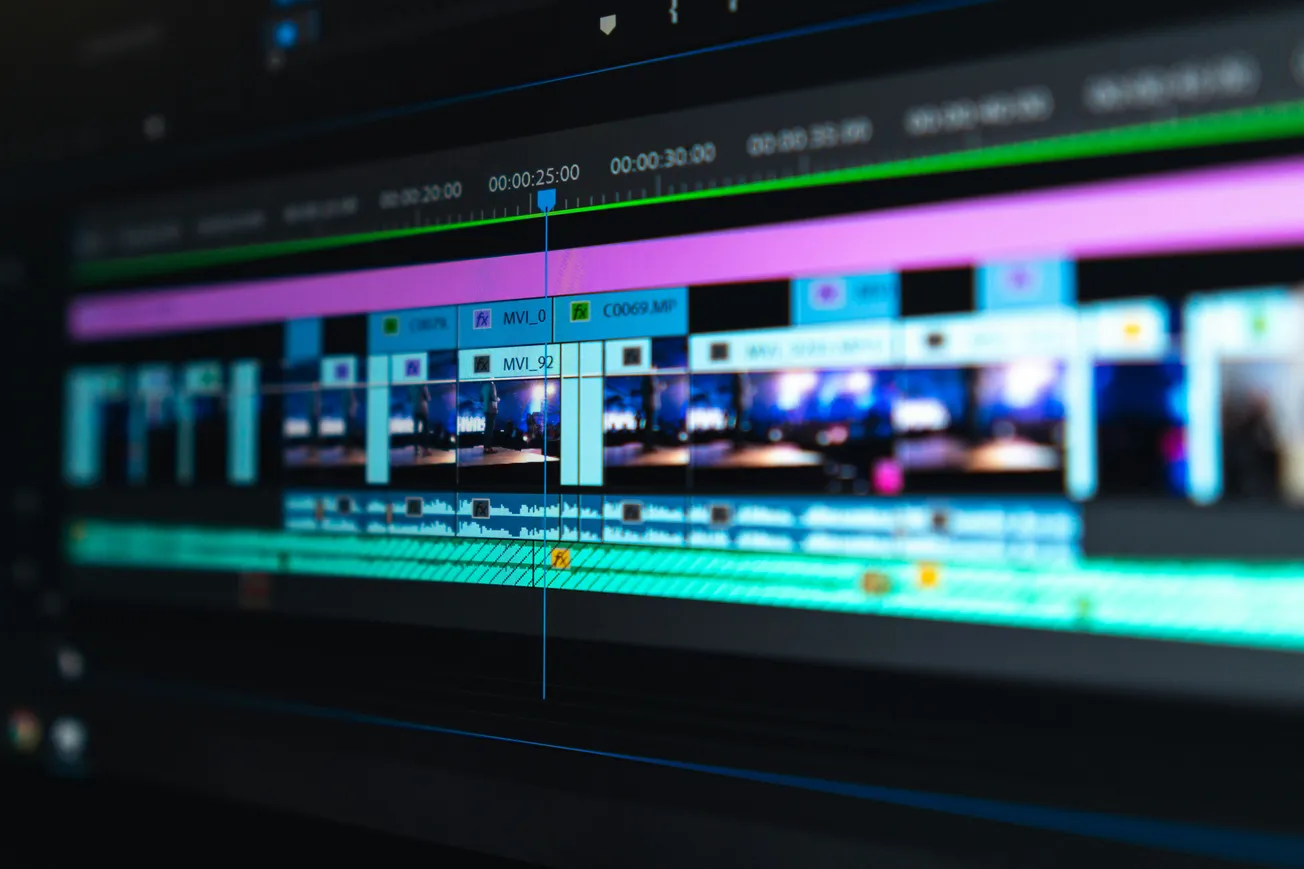
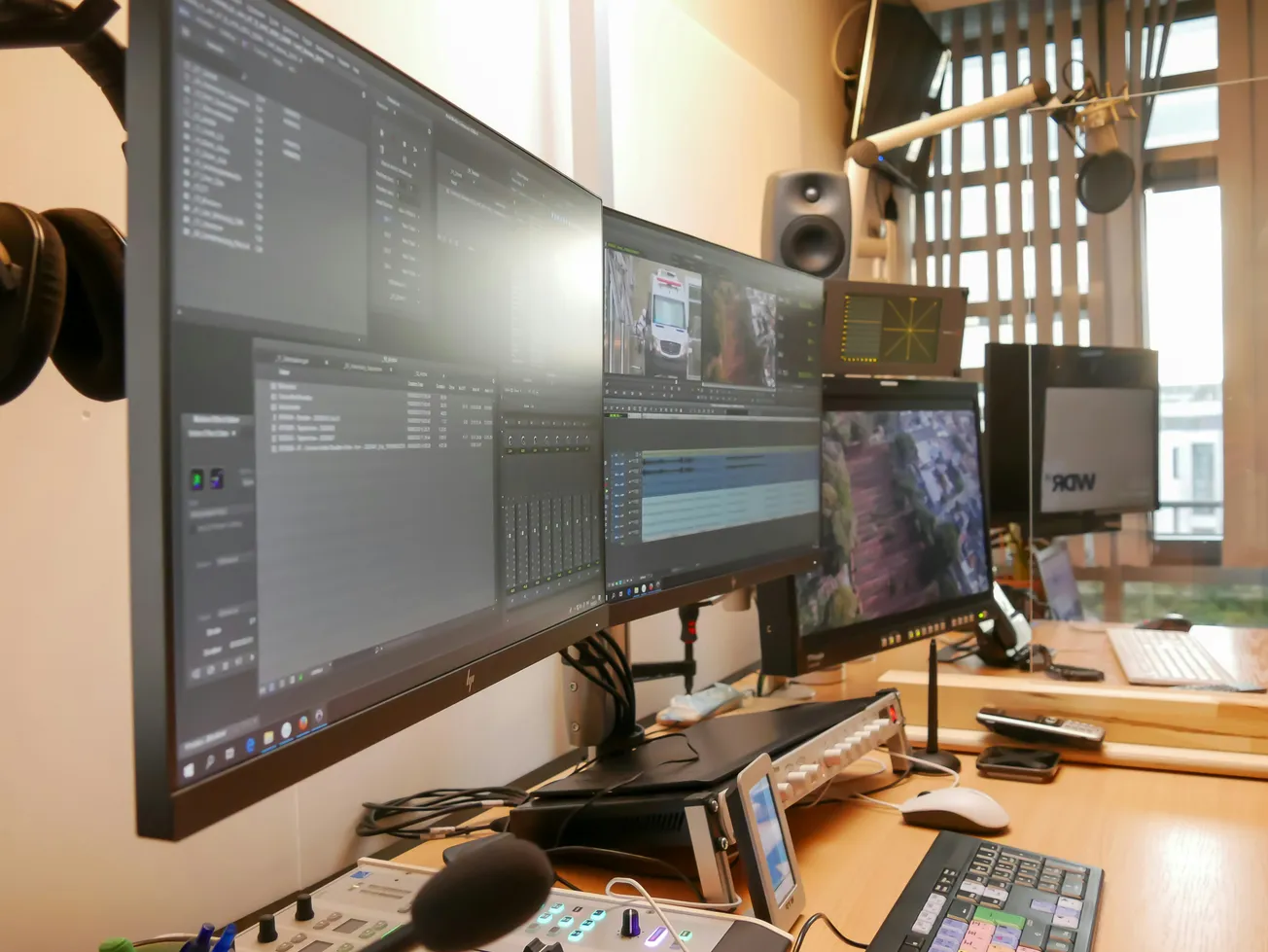
In the world of corporate video and educational content, this approach helps in securing internal buy-in. When a content team can show a leadership group exactly how a new series will look and feel, it builds confidence in the investment. Utilizing accessible video software to compile these visual references allows teams to collaborate more effectively during the early stages of production.
This preparation ensures that once the recording phase begins, everyone on set is working toward a unified goal.
Translating Film Techniques to Content Creation
The techniques used by Sundance filmmakers to land prestigious projects are highly applicable to the competitive landscape of digital marketing. The "pitch" happens every time a creator presents a concept to a potential sponsor or a business proposes a new video campaign to a partner. Using a diverse array of visual references—ranging from architecture to classic art—can help a creator stand out from competitors who only use generic stock imagery.
By broadening the scope of visual inspiration, creators can develop a unique aesthetic that defines their personal brand or business identity. This avoids the trap of making every video look like a carbon copy of popular trends. Instead, it allows for a more authentic and professional presentation that resonates with a specific audience. The focus remains on how the visual elements support the narrative, whether that narrative is a feature film or a three-minute product demonstration.
Efficiency Through Visual Alignment
The ultimate goal of using advanced visual references is to save time and resources during the actual production. When a director of photography and a director are perfectly aligned on the visual language of a project, decision-making on set becomes much faster. There is less experimentation with lighting and framing because the foundational choices were made and agreed upon during the lookbook phase.
For businesses looking to scale their video production, implementing a formal visual discovery process is a key step. It allows for a more streamlined workflow where the Creative and Technical teams are in sync from day one. This level of organization is what allows high-output teams to maintain quality without burnout. By adopting the pitching strategies of independent filmmakers, any creator can elevate their professional standing and produce more impactful visual stories.
More about recording:
 Staff Report
 Ashton York
 Staff Report