
The Evolution of Authenticity in Visual Storytelling
In the modern media landscape, audiences have developed a high sensitivity to content that feels overly produced or artificial. Whether for a streaming television series, a corporate brand film, or a targeted social media campaign, the demand for authenticity has never been higher.
For creators and small businesses, the challenge lies in maintaining professional production standards while capturing a sense of genuine reality. Achieving this balance requires a strategic move away from glossy, idealized imagery toward a more grounded and relatable approach to storytelling.
Prioritizing Specificity in Casting and Presence
The first pillar of authenticity is the selection of the people on screen. Traditional commercial casting often prioritized a "universal" look that could appeal to everyone but often resulted in a sterile, forgettable presence. Professional creators are now finding more success by seeking out individuals with specific, unique traits that reflect real-world diversity.
This applies to business testimonials and educational videos as much as it does to narrative drama. When a speaker possesses a natural, unpolished way of communicating, it builds immediate authority and trust with the viewer, as it suggests the message is coming from a real person rather than a scripted persona.
Creating Realistic and Lived-In Environments
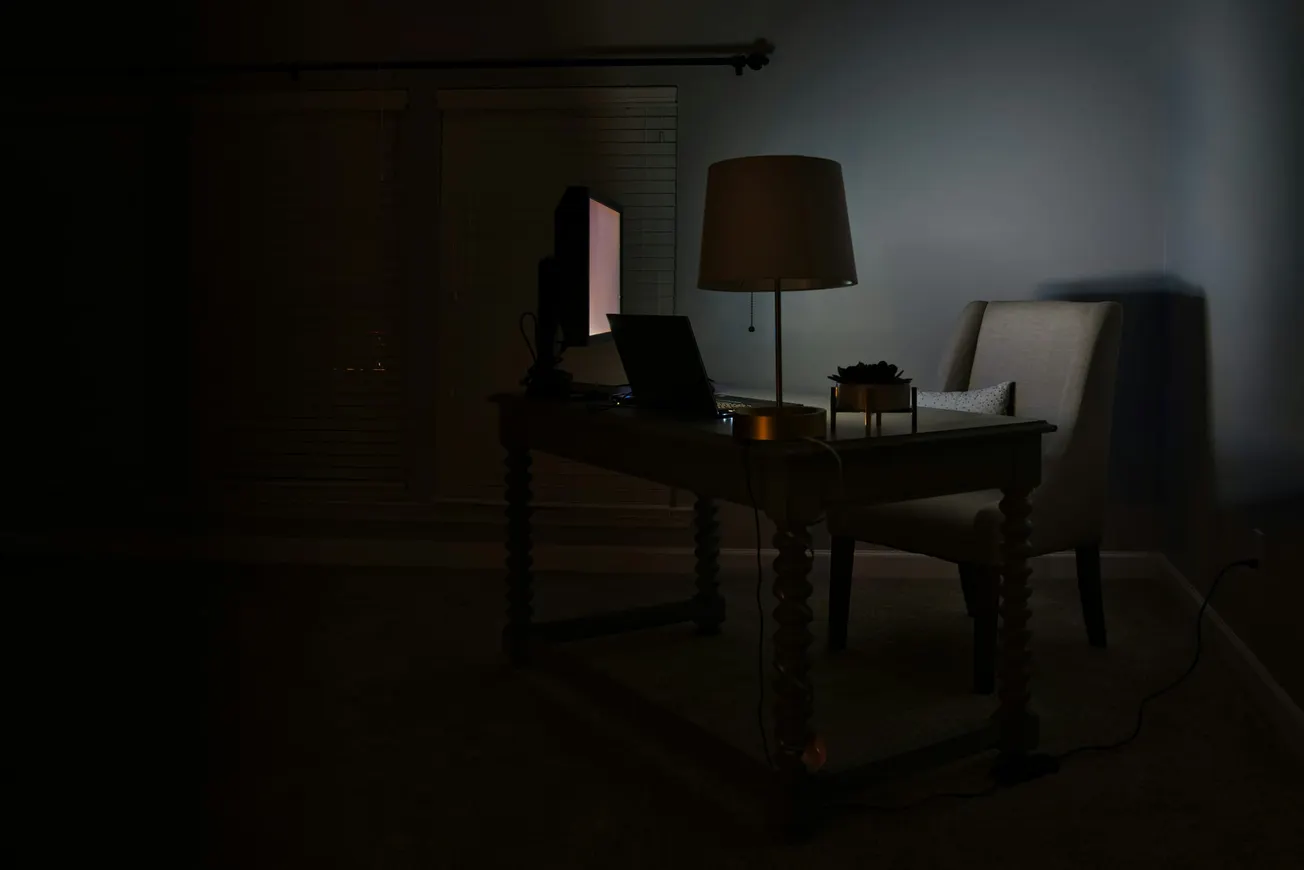
Visual authenticity is heavily influenced by the physical space where a recording takes place. Many creators fall into the trap of using perfectly clean, minimalist sets that feel more like showrooms than functional spaces.
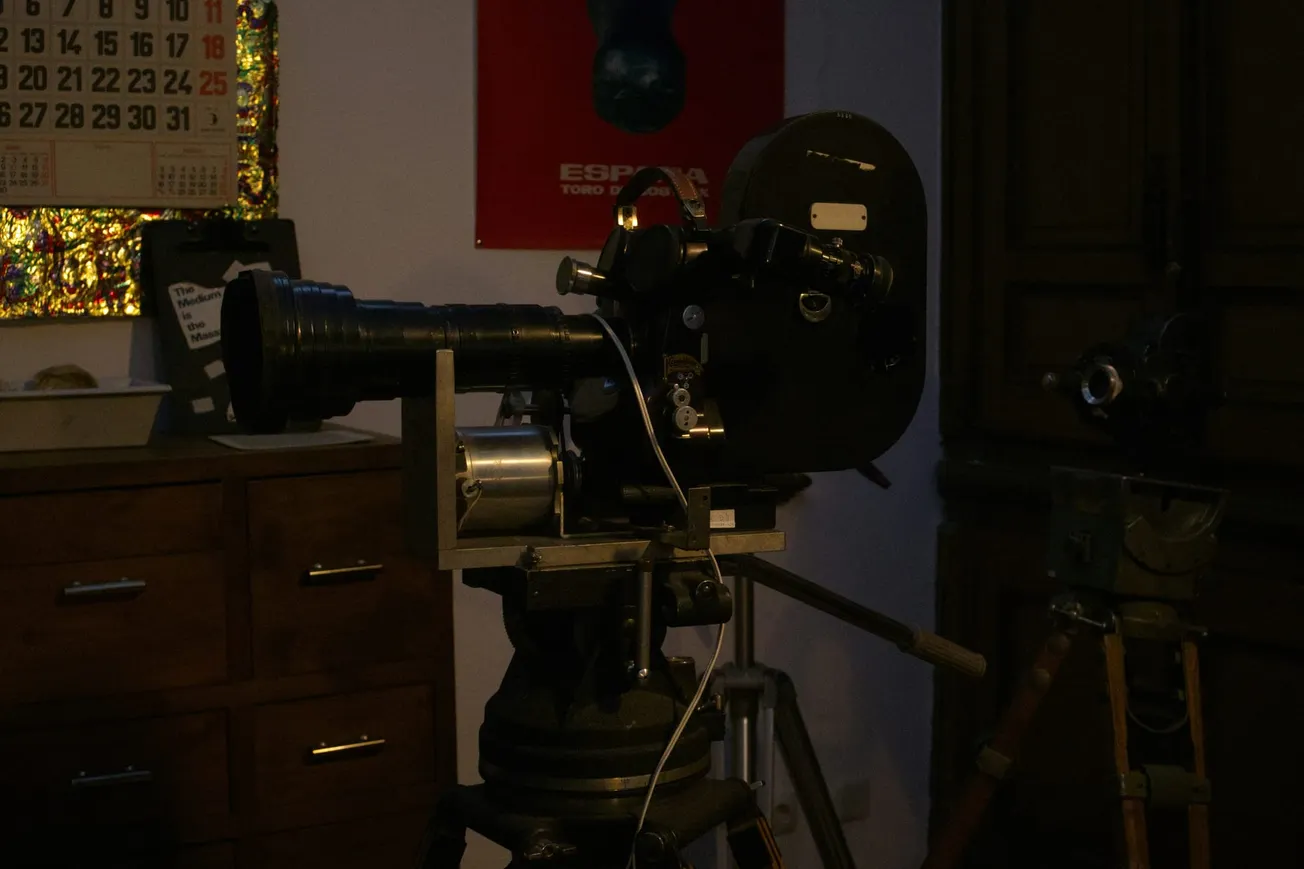
To eliminate this friction, production teams should focus on "production design" that incorporates the textures of everyday life. This might involve filming in actual offices, homes, or workshops rather than a sterile studio.
Elements such as natural clutter, varying light sources, and environmental sound contribute to a sense of place that grounds the content in reality. For more tips on managing these spaces, creators can explore guides on optimizing recording environments for better visual and audio output.
Embracing Narrative Vulnerability and Imperfection
The final element of an authentic production is the willingness to show imperfection. In the past, the goal of video editing was often to remove every "um," "ah," or physical stumble to create a flawless presentation.
However, modern viewers often find these small imperfections to be signs of honesty. Allowing a speaker to show vulnerability or admit to challenges creates a stronger emotional bond with the audience. This transparency is particularly effective in marketing and internal communications, where building a human connection is more important than appearing perfect.
It signals to the audience that the creator or brand is confident enough to be seen as they truly are.
The Technical Execution of Raw Aesthetics
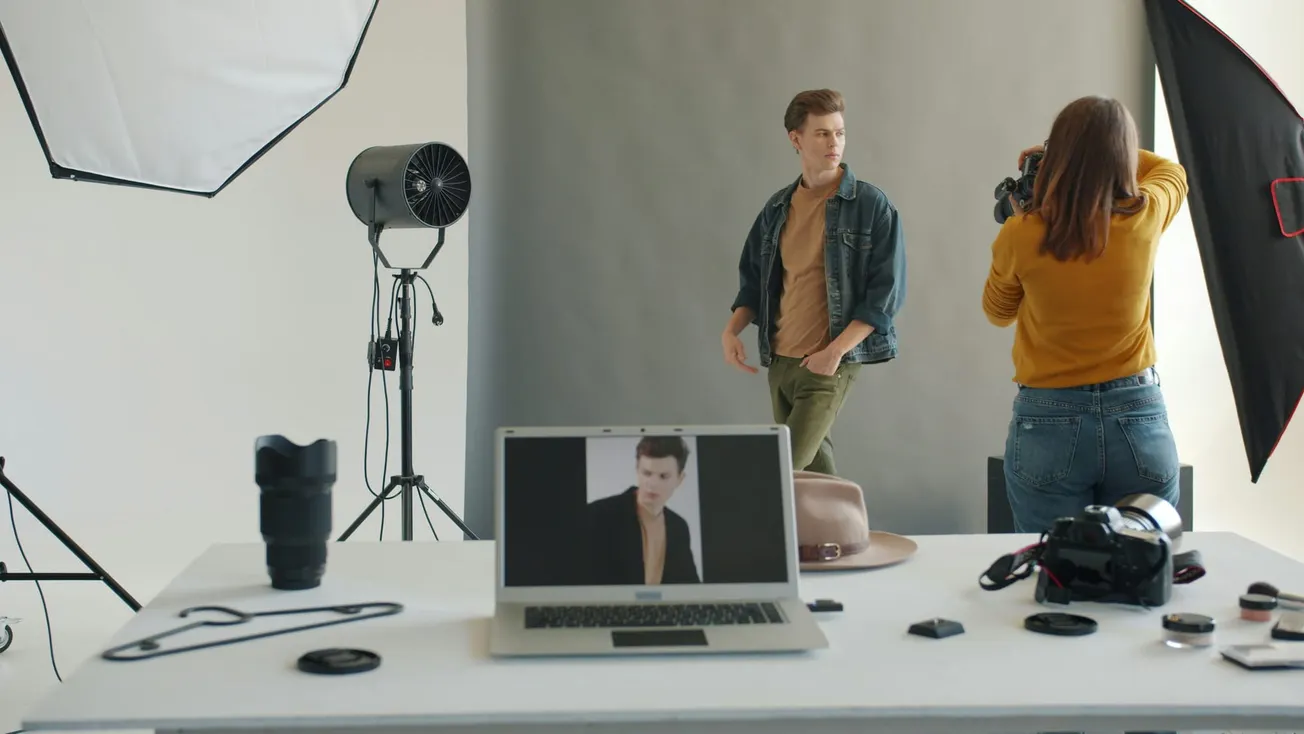
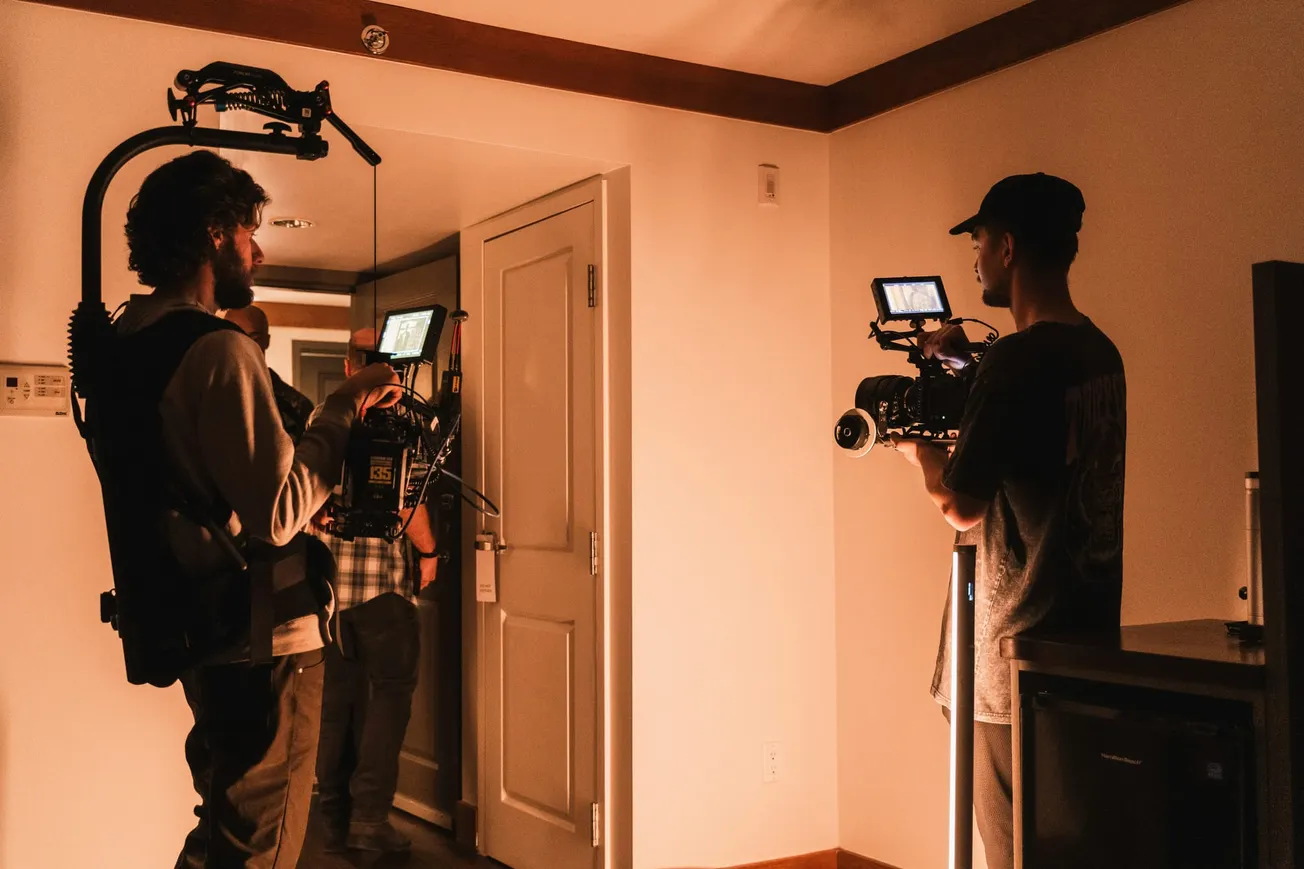
Achieving a raw or authentic look actually requires a high level of technical skill. It involves using professional video equipment and lighting in a way that feels unlit and spontaneous. For example, using handheld camera movements or naturalistic lighting setups can give a "documentary" feel to a polished brand story.
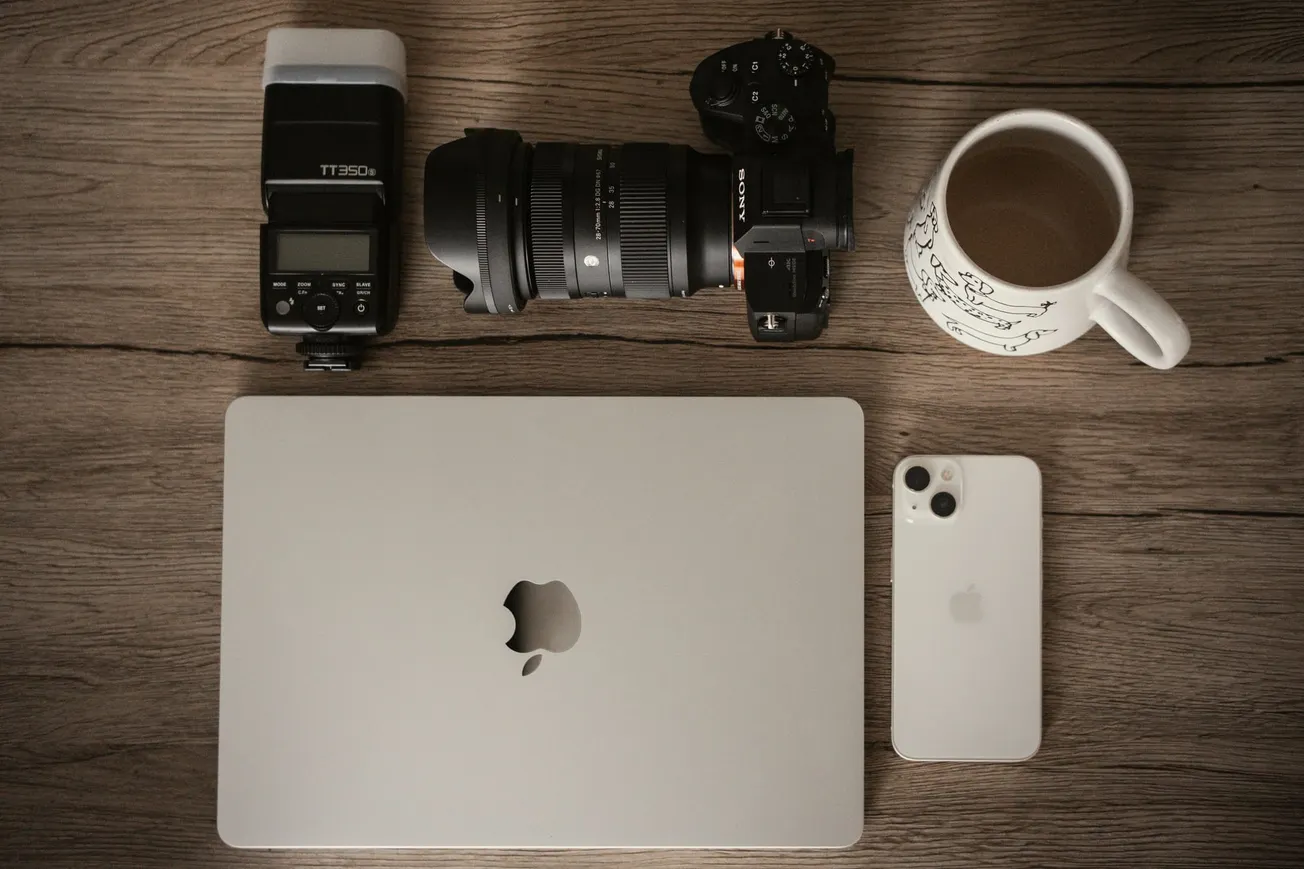
By utilizing high-quality recording tools but applying them with restraint, production teams can produce content that looks professional while feeling accessible. This approach reduces the perceived distance between the creator and the audience, making the message more impactful and memorable.
Building Authority Through Relatability
Ultimately, the goal of incorporating these three elements—specific casting, realistic environments, and narrative vulnerability—is to build lasting authority. When a business or educator produces content that feels "real," the audience is more likely to engage with the material and trust the source.
As digital tools continue to make high-end production more accessible, the true differentiator for creators will be their ability to tell stories that resonate on a human level.
For those looking to refine their production process further, exploring the latest in audio software and editing workflows can help ensure that the technical quality matches the authenticity of the message.