

Over Super Bowl weekend, Pepsi rolled out one of its most talked-about ads of the year: “The Choice,” a playful 30-second spot featuring a conflicted polar bear choosing Pepsi Zero Sugar over Coca-Cola Zero in a blind taste test. Directed by Academy Award-winner Taika Waititi, the commercial revisits Pepsi’s historic Pepsi Challenge and dramatizes it as a pop-culture moment that plays on decades of cola rivalry while leaning into humor and nostalgia — all set to Queen’s “I Want to Break Free.”
Pepsi’s Super Bowl placement was already a high-visibility play — but what made the campaign even smarter was how it extended the story beyond the broadcast through an unexpected channel: Theo Von’s This Past Weekend podcast.
Podcast Meets Prime-Time Advertising
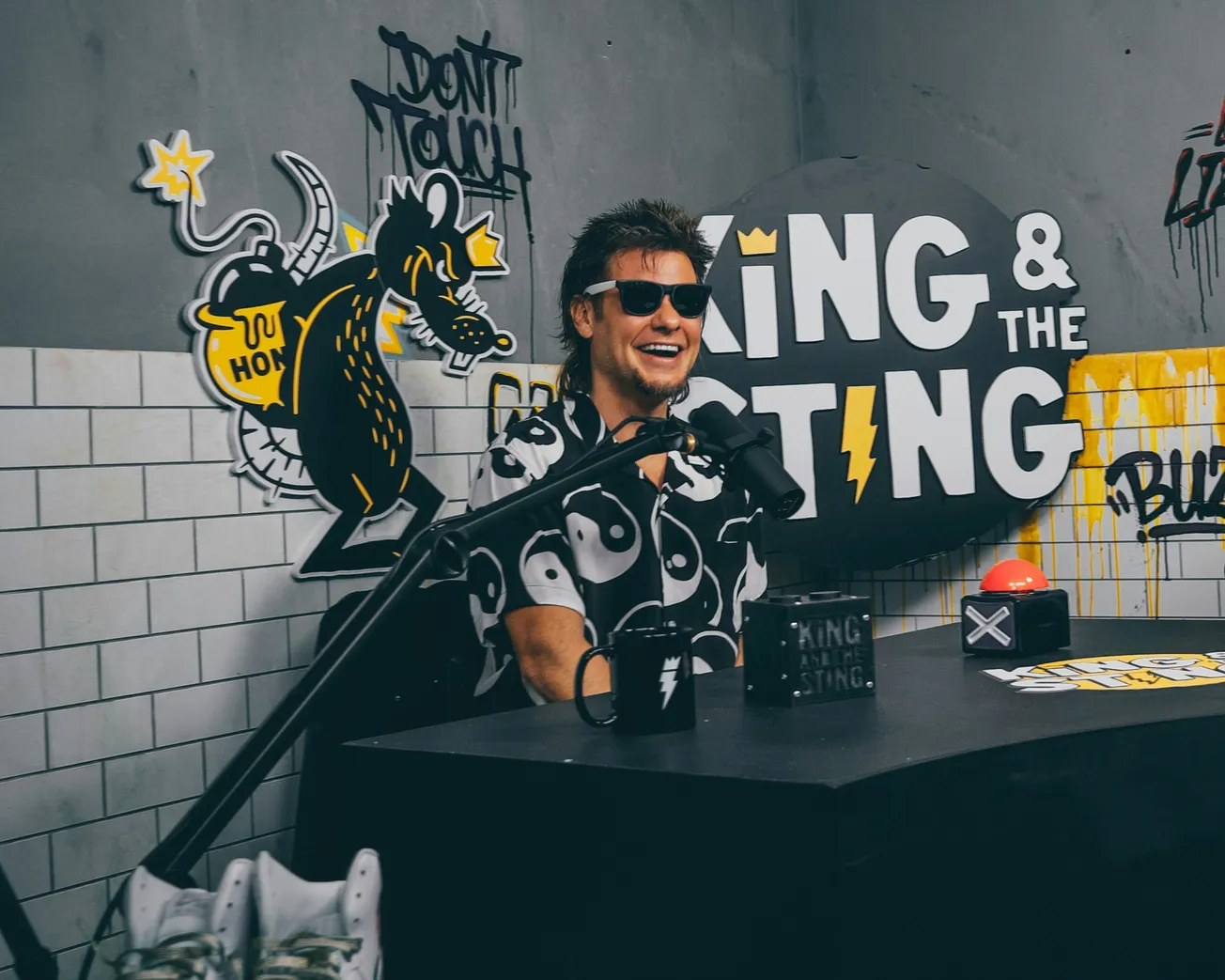
Rather than letting the TV moment live and die in a 30-second slot, The Roost Podcast Network used the bear from Pepsi’s spot as a cultural touchpoint by giving it a cameo in one of This Past Weekend’s weekend episodes. That pop-in — literally bridging the subject of the Super Bowl campaign into a long-form audio conversation — helped amplify the ad’s reach and cultural footprint in a way that traditional advertising can’t on its own.
Podcast listeners tend to be deeply engaged, loyal fans. When a brand’s creative moment gets woven into content they already consume, it can generate more resonance than a standalone broadcast spot. In this case, the bear’s appearance on a popular comedy podcast built on Pepsi’s message with authenticity and relevance, encouraging listeners to connect with the campaign on another platform at a different moment in time.
Why This Matters for Brand Storytelling
Pepsi’s Super Bowl strategy was built around disruption and cultural commentary. By resurrecting the Pepsi Challenge through a beloved (and slightly subversive) mascot, the brand created a narrative that both honored nostalgia and invited viewers to reconsider assumptions about cola taste preferences.
But a 30-second TV spot rarely captures the long-term buzz brands crave. That’s where The Roost’s approach shined. By integrating the campaign’s creative into its owned media ecosystem — the podcast — the brand extended its narrative life beyond game day. This not only increases the total audience exposed to the idea but also taps into differentiated listening contexts where listeners are more receptive to conversation and cultural commentary.
A New Layer of Value From Cross-Platform Integration
The This Past Weekend integration shows how brands can get more mileage from big media buys. Instead of seeing a Super Bowl commercial as a one-off, savvy marketers are linking broadcast moments to other owned or earned channels where audiences spend their time. Podcasts — with their loyal, engaged audiences — are especially powerful for this, particularly when the integration feels organic rather than forced.
The Roost’s Catherine Brown highlighted this on LinkedIn, pointing out how this clever alignment between Pepsi’s TV spectacle and audio content lets the campaign breathe and live well after the ball has been kicked.
Takeaways for Marketers and Creators
- Extend big broadcast buys with earned or owned media. A Super Bowl ad draws eyes — but embedding that creative into platforms like podcasts extends the conversation and keeps it top of mind.
- Meet audiences where they already are. People who listen to This Past Weekend might not be watching every ad break, but they’ll engage with stories and references when they’re woven into content they enjoy.
- Make integrations feel natural. The best brand moments in long-form content don’t interrupt; they contribute. The bear’s appearance worked because it added levity and made sense in the context of the episode.
In a media landscape where attention is fractured and fleeting, this fusion of prime-time television and podcast storytelling is a clever template for how brands can amplify impact and value — and keep people talking long after the game ends.
More about ads:
 Staff Report
 Staff Report
 Staff Report