
The Role of USB Microphones in Modern Video
In 2026, the barrier between professional and consumer audio has largely dissolved, with USB microphones now capable of delivering high-resolution 24-bit audio that rivals traditional studio setups. For businesses, educators, and solo creators, the USB microphone represents the ultimate "zero-friction" tool for video podcasts, virtual presentations, and remote interviews. By combining the microphone, preamp, and analog-to-digital converter into a single device, these tools simplify the recording chain.
However, as video production scales, the inherent limitations of USB connectivity become more apparent. Choosing the right tool requires a clear understanding of the trade-offs between immediate convenience and long-term professional flexibility. This guide outlines the objective pros and cons of utilizing USB microphones for modern video workflows.
The Advantages of USB Connectivity
The primary benefit of a USB microphone is its plug-and-play simplicity. Most modern units are "class compliant," meaning they require no proprietary drivers to function on Windows, macOS, or mobile operating systems. This reliability is critical for high-stakes environments, such as live webinars or time-sensitive corporate announcements, where complex hardware chains can introduce points of failure.
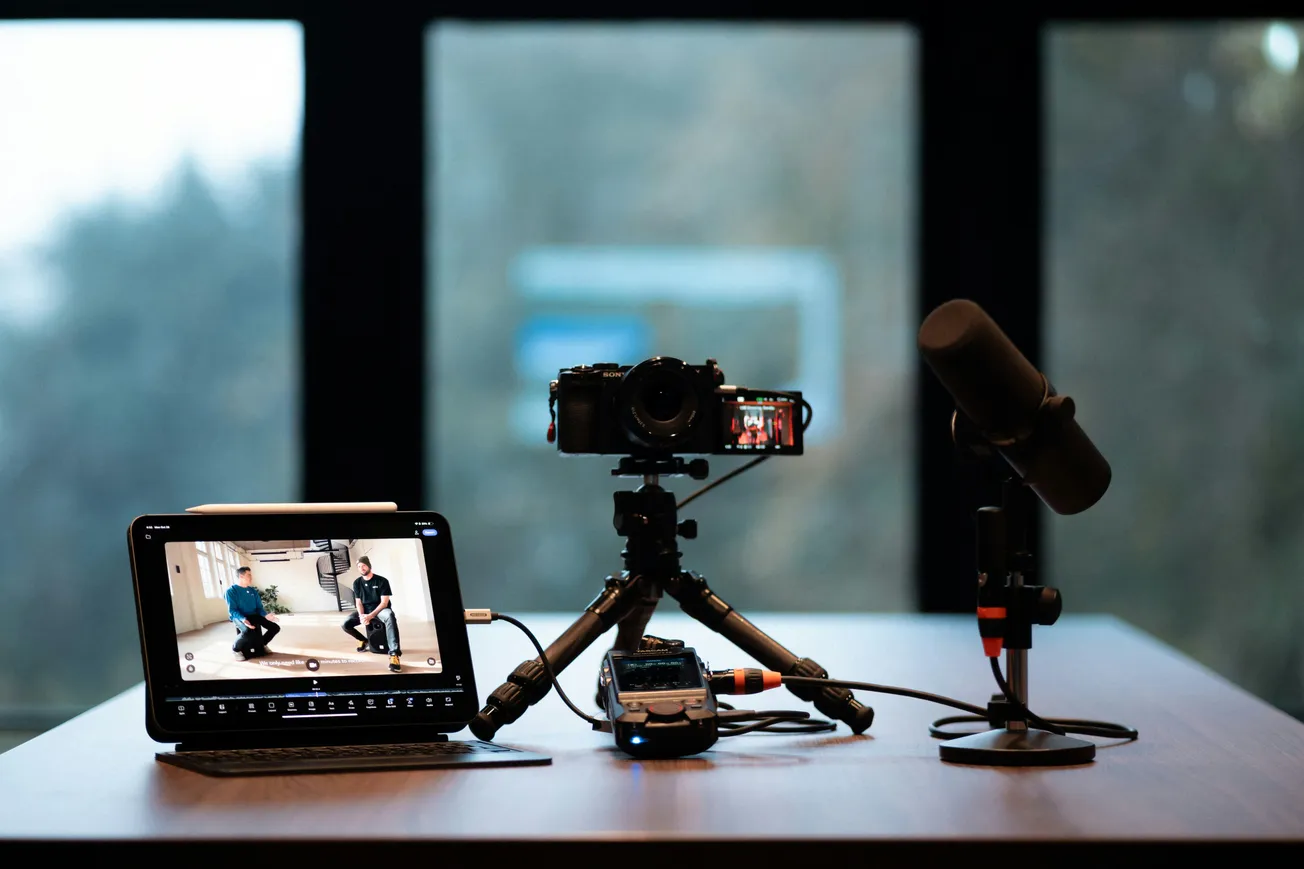
Portability is another significant factor. For the digital nomad or hybrid worker, carrying an XLR microphone, an audio interface, and multiple cables is often impractical. As noted by NearStream, a high-quality USB microphone like the AM25X provides a clean, minimalist workflow that fits into a laptop bag, making it the superior choice for field recording and travel. Additionally, many USB mics now feature onboard Digital Signal Processing (DSP) for real-time noise suppression and auto-leveling, effectively acting as an automated sound engineer.
The Limitations of USB Microphones
While convenient, USB microphones are "closed systems." This means that every component—from the capsule to the digital converter—is locked together. If a creator wishes to upgrade their sound quality or switch to a higher-end preamp, they must replace the entire microphone. This lack of a modular upgrade path can lead to higher long-term costs for those intending to reach professional studio standards.
Technical constraints also exist regarding multi-mic setups. Recording two or more USB microphones into a single computer often leads to synchronization errors and software conflicts. According to Streams Charts, XLR systems remain the industry standard for multi-person interviews because they connect to a single interface that handles timing and levels for all inputs simultaneously. For creators planning on hosting in-person guests, a USB-only setup can become a significant bottleneck.
Hybrid Solutions: The Best of Both Worlds
To address these limitations, 2026 has seen the rise of "Hybrid" microphones. Models such as the Shure MV7+ and the Rode PodMic USB offer both USB-C and XLR outputs. This allows a creator to start with the simplicity of a USB connection and later transition to a professional XLR interface without needing to purchase a new microphone.
These hybrid models are increasingly favored by small businesses that want to "future-proof" their investments. They provide the immediate benefit of mobile-friendly recording while maintaining the ability to integrate into a professional studio console as the production's needs evolve.
Determining Your Production Path
The decision to use a USB microphone should be based on your specific use case. If your priority is solo content, remote work, or a minimalist desk setup, the performance and price of a modern USB microphone are difficult to beat. If you are building a dedicated studio for multi-guest interviews or require the highest possible fidelity for music and voice-over, the XLR ecosystem remains the more scalable choice.
By weighing the convenience of a single-cable setup against the need for future expandability, you can select the audio foundation that best supports your visual storytelling.
More about audio equipment:
 Staff Report
 Staff Report
 Staff Report