
The Legal Landscape of Generative AI in Media Production
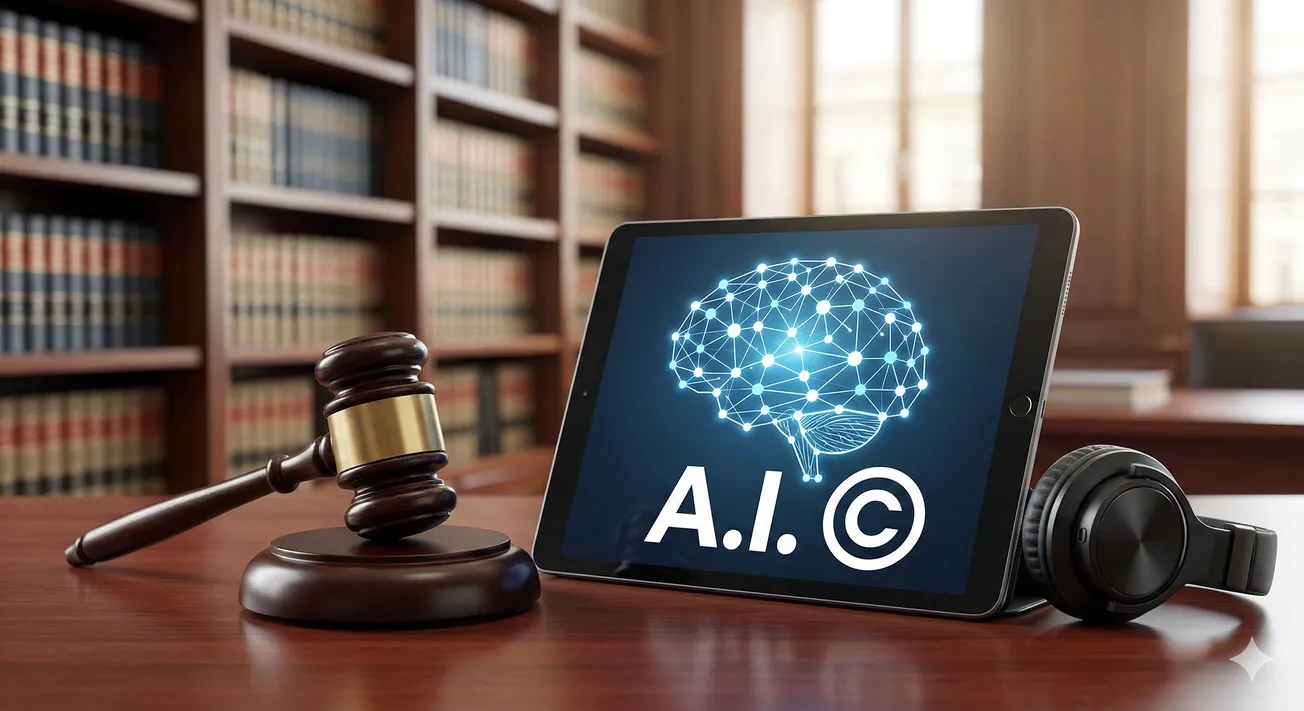
The rapid integration of artificial intelligence into film, video, and audio production has brought significant legal questions to the forefront of the creative industry. As creators increasingly use generative tools to write scripts, enhance audio, or create visual effects, the question of who owns the resulting output has become a central focus for the legal system.
Recent discussions surrounding the Supreme Court and federal copyright offices highlight a growing tension between technological innovation and traditional intellectual property protections. For businesses and independent creators, understanding these legal shifts is essential for protecting original work and ensuring long-term commercial viability.
Copyright Eligibility for AI-Generated Content
At the heart of the current legal debate is the concept of human authorship. The United States Copyright Office and various judicial reviews have consistently maintained that copyright protection requires a human creator. This means that content generated entirely by an artificial intelligence, without significant human intervention or creative control, may not be eligible for copyright registration. For a filmmaker using AI to generate a background environment or a podcaster using AI to draft a script, the level of personal creative contribution determines whether the work can be legally protected.
This distinction is critical for businesses that rely on owning their intellectual property to generate revenue. If a marketing video or a podcast series is deemed ineligible for copyright because it was primarily produced by a machine, the creator may lack the legal standing to prevent others from using or distributing that content without permission. This creates a friction point in workflows that prioritize speed and automation over manual creation.
The Role of the Supreme Court in Defining Fair Use
The Supreme Court often plays a decisive role in shaping the boundaries of fair use, a doctrine that allows for the use of copyrighted material under specific circumstances. In the context of artificial intelligence, the court is tasked with determining whether the training of AI models on existing copyrighted works constitutes a violation of artists' rights. Many creators argue that their portfolios are being used to train systems that will eventually compete with them, while technology companies argue that this falls under transformative use.
The outcomes of these high-level legal challenges will dictate the future of media tools. If the courts rule in favor of stricter protections for original creators, the cost of AI tools may increase as developers are forced to license training data. Conversely, a ruling that favors tech developers could lead to an explosion of new tools but may leave individual creators feeling vulnerable. Organizations like No Film School have noted that these decisions will likely set the precedent for the next decade of digital storytelling.
Practical Implications for Content Workflows
For creators and small businesses, the current legal uncertainty suggests a cautious approach to using generative tools. While AI can significantly reduce the time required for editing or research, it should be viewed as a collaborative assistant rather than a replacement for human talent. To maintain copyright eligibility, creators should document their creative process, highlighting the specific choices and modifications they made to any AI-generated starting points.
Furthermore, businesses should review their contracts with freelancers and production agencies to clarify who owns the rights to AI-assisted work. As the legal framework evolves, having clear documentation and a human-centric production philosophy will provide a layer of security against future copyright disputes. This ensures that the authority and brand identity built through video and audio content remain firmly in the hands of the creator.
The Path Forward for Media Technology
The intersection of law and technology is rarely a smooth transition. As the Supreme Court and lower courts continue to weigh in on these issues, the industry will likely see a move toward more transparent AI models that credit or compensate original sources. For now, the best strategy for creators is to stay informed and prioritize original human expression within their media projects.
Navigating the complexities of AI and copyright is a necessary part of modern media production. By focusing on how these tools can empower rather than replace the storyteller, businesses can continue to scale their content efforts while respecting the legal foundations of the creative arts. Staying adaptable in the face of these updates allows creators to continue reaching audiences without unnecessary legal friction.
More about AI:
 Staff Report
 Staff Report
 Staff Report