
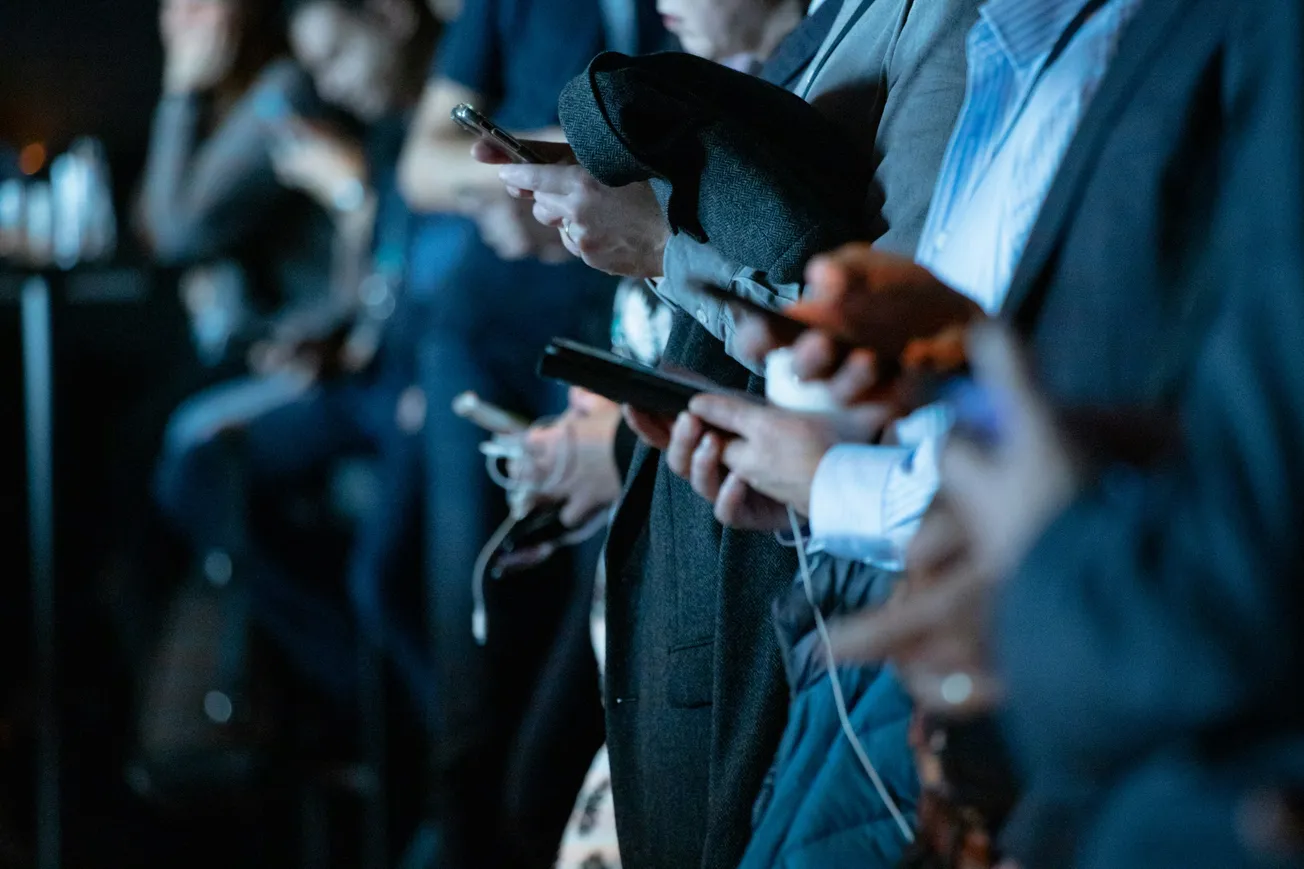
The Super Bowl has long been a cultural milestone, but in 2026 its influence extended far beyond the televised gridiron battle. Social media has become an essential second screen for sports fans and marketers alike — turning Super Bowl weekend into a multi-platform engagement frenzy where brands compete for attention as fiercely as the teams on the field.
Data from Socialinsider’s analysis of Super Bowl social media campaigns highlights how today’s biggest brands won the digital conversation by blending creativity, storytelling, and platform-specific strategy.
The Super Bowl as a Social Media Phenomenon
Social media has transformed the Super Bowl from a single-evening spectacle into a sustained digital event. Brands aren’t just competing for prime-time ad slots — they’re launching pre-game teasers, real-time posts, and post-game storytelling across TikTok, Instagram, X, Facebook, and YouTube. The Socialinsider report shows that video content dominated engagement, with YouTube and TikTok leading the charge, while strategic storytelling and celebrity partnerships helped many campaigns stand out.
This shift reflects broader engagement trends. Recent data on Super Bowl 2026 social conversations shows massive potential impressions and brand interaction, with major sponsors and advertisers generating hundreds of millions of views and interactions across platforms.
Top Strategies That Defined Super Bowl Social Media
1. Celebrity and Influencer Power
Celebrity appearances and influencer integrations were central to many successful social campaigns. Brands like TurboTax and Uber Eats leveraged well-known personalities to amplify reach and make their content feel culturally relevant, not just commercial.
2. Narrative-Driven Content
Emotional storytelling — whether through nostalgic reflections or heartfelt brand journeys — helped certain brands rise above the noise. Posts that told stories rather than hard-sell messages tended to generate deeper engagement.
3. Creative Humor and Nostalgia
Humor remained a reliable tool to capture attention, while reimagining classic brand themes helped connect with both long-time fans and newer audiences. This strategy proved especially effective on platforms like TikTok and Twitter.
4. Platform-Specific Focus
The most effective social media efforts were tailored for individual platforms — recognizing that what resonates on YouTube may differ from what drives comments on X or shares on Instagram.
Which Brands Stood Out in 2026
According to Socialinsider’s analysis, video campaigns led the engagement race, with Michelob ULTRA generating tens of millions of views across multiple platforms, demonstrating the ongoing power of long-form and high-quality video content. TurboTax delivered standout results on TikTok, while Pringles achieved remarkable engagement on that same platform with a sharply focused campaign. Other brands like Budweiser and Rocket Mortgage saw success by concentrating on conversation-driven platforms such as X and Facebook.
These varied approaches reinforce that there’s no single formula for social media success — but matching creative content to audience expectations on each platform remains key.
The Bigger Picture: Social Engagement Beyond Game Day
The influence of Super Bowl social media campaigns isn’t limited to one night. Data from broader analyses shows that social engagement around the Super Bowl generates hundreds of billions of potential impressions and significant earned media value for brands long after the final whistle. This reflects how conversations that start during the game — from ad reactions to fan highlights — continue circulating online, extending reach well beyond traditional television metrics.
For marketers, this means the Super Bowl is no longer a single-moment investment but a multi-stage opportunity: build anticipation pre-game, activate in real time, and sustain the conversation post-event.
Winning the Social Bowl
Super Bowl 2026 underscored that today’s biggest brands view the Big Game as a social media battleground as much as an advertising showcase. Through strategic storytelling, clever use of platform features, and creative voices — including influencers and celebrities — brands can spark engagement that resonates with audiences globally. As social and streaming behaviors evolve, so will the playbook for Super Bowl social media success, making it one of the most dynamic arenas in modern marketing.
More about Super Bowl 2026:
 Staff Report
 Staff Report