

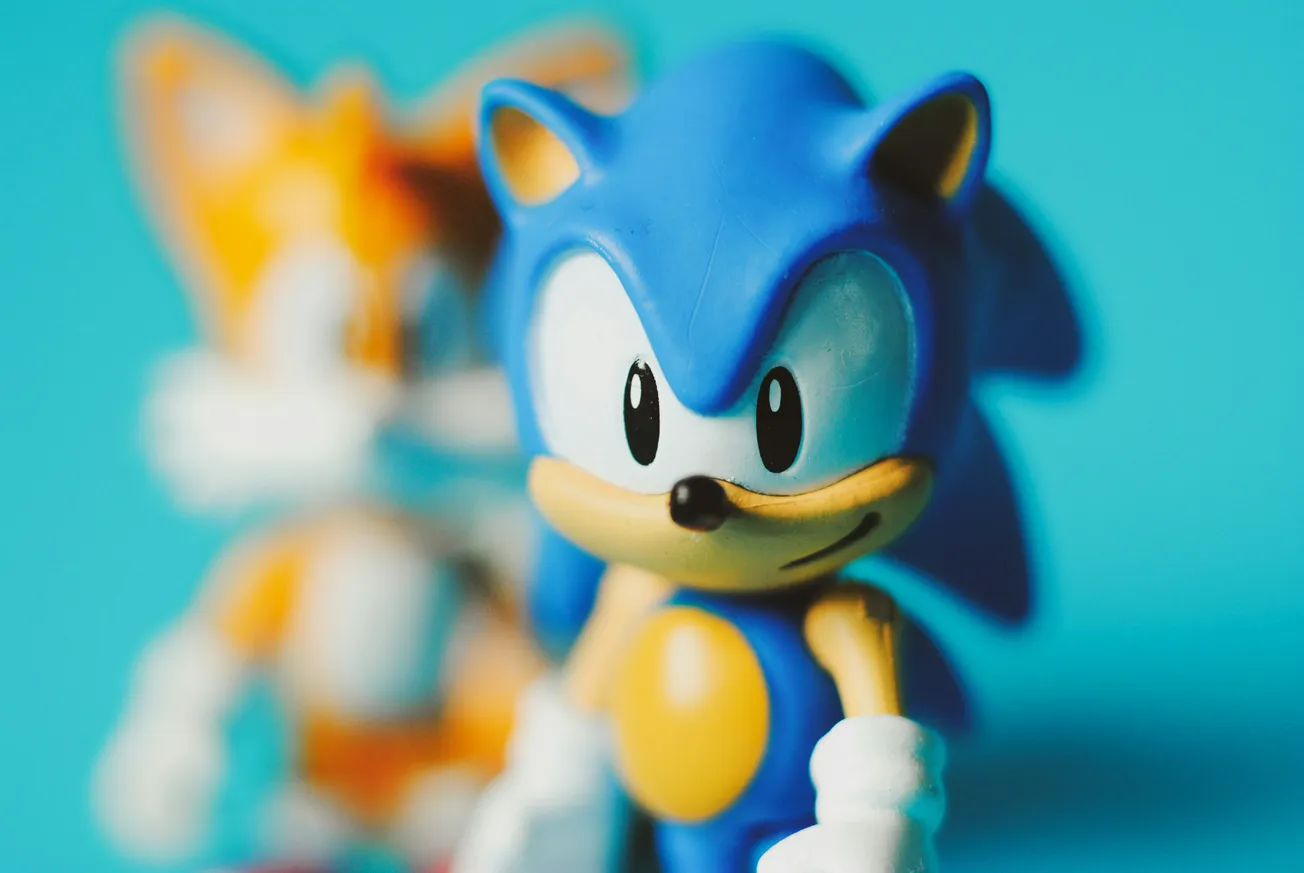
In 2019, Paramount Pictures unveiled the first trailer for Sonic the Hedgehog and unleashed a firestorm online. Audiences expected the beloved Sega character’s iconic look, but instead saw a version that felt unsettling and off-model — with small eyes, oddly realistic limbs, and human-like teeth that pushed the design into the “uncanny valley.”
Social platforms lit up with ridicule, memes, and widespread backlash, threatening to taint the film before its release.
Rather than ignore the uproar or push ahead, the studio made an unprecedented decision: delay the film and redesign the character. That pivot ultimately reshaped the franchise’s marketing — and its legacy.
What Went Wrong With the Original Design
The original CGI model was intended to integrate more “realistic” features so Sonic could convincingly interact with live-action elements. However, fans responded negatively, feeling the design strayed too far from the video game aesthetic that had shaped decades of Sonic’s identity.
This misalignment between audience expectation and on-screen execution represents a classic brand failure: ignoring core identity in pursuit of novelty or “realism.” For beloved IP, even seemingly small deviations can feel like betrayals to passionate fan bases — especially when visual elements are so central to the character’s appeal.
A Marketing Failure Turned Success
Paramount’s response was swift and costly. The release was postponed so the design team could overhaul Sonic’s appearance to more closely match the classic look fans knew and loved. This included larger eyes, simplified proportions, and a much less humanized look.
Industry observers called this a rare win for audience-driven marketing. Rather than dismiss criticism, the studio embraced it — and the resulting goodwill translated to positive word of mouth. The redesigned Sonic became not just acceptable but celebrated, contributing to the movie’s blockbuster success, with strong box office returns and franchise expansion.
Lessons in Brand and Marketing Strategy
The Sonic case isn’t just a quirky viral moment — it’s a textbook example of how not to do marketing, but also of how to recover from it effectively:
1. Understand Your Brand Equity:
A character’s visual identity can be a core part of its brand equity. When that identity is altered, even well-intentioned changes can backfire if they don’t resonate with the audience’s expectations.
2. Listen to Your Audience:
Fan feedback is often noisy, but it can contain real insights. Paramount’s choice to listen — even at financial cost — helped reestablish trust with the core audience and generated organic buzz.
3. Turn Failure Into Opportunity:
A failed first impression became a compelling story of redemption — one that media outlets and social trends amplified. The narrative shifted from mockery to admiration for the studio’s willingness to change.
4. Don’t Be Afraid to Pivot:
Strategic flexibility matters. Marketing plans should include room for course correction when early feedback signals a significant misstep.
Beyond Sonic: What Marketers Should Know
While Sonic’s story stands out, it also reflects broader truths about brand engagement. Mistakes in marketing — whether visual design, messaging, or sonic branding — can quickly spread and solidify into damaging narratives if not addressed thoughtfully.
In today’s connected landscape, marketing missteps are often public and immediate. The ability to listen, respond, and adapt — as Paramount did — can make the difference between failure and long-term success. Effective brand management isn’t just about launching campaigns; it’s about maintaining a dialogue with your audience and honoring what makes a brand meaningful to them.
More about marketing:
 Staff Report
 Staff Report
 Nathan Sellars