

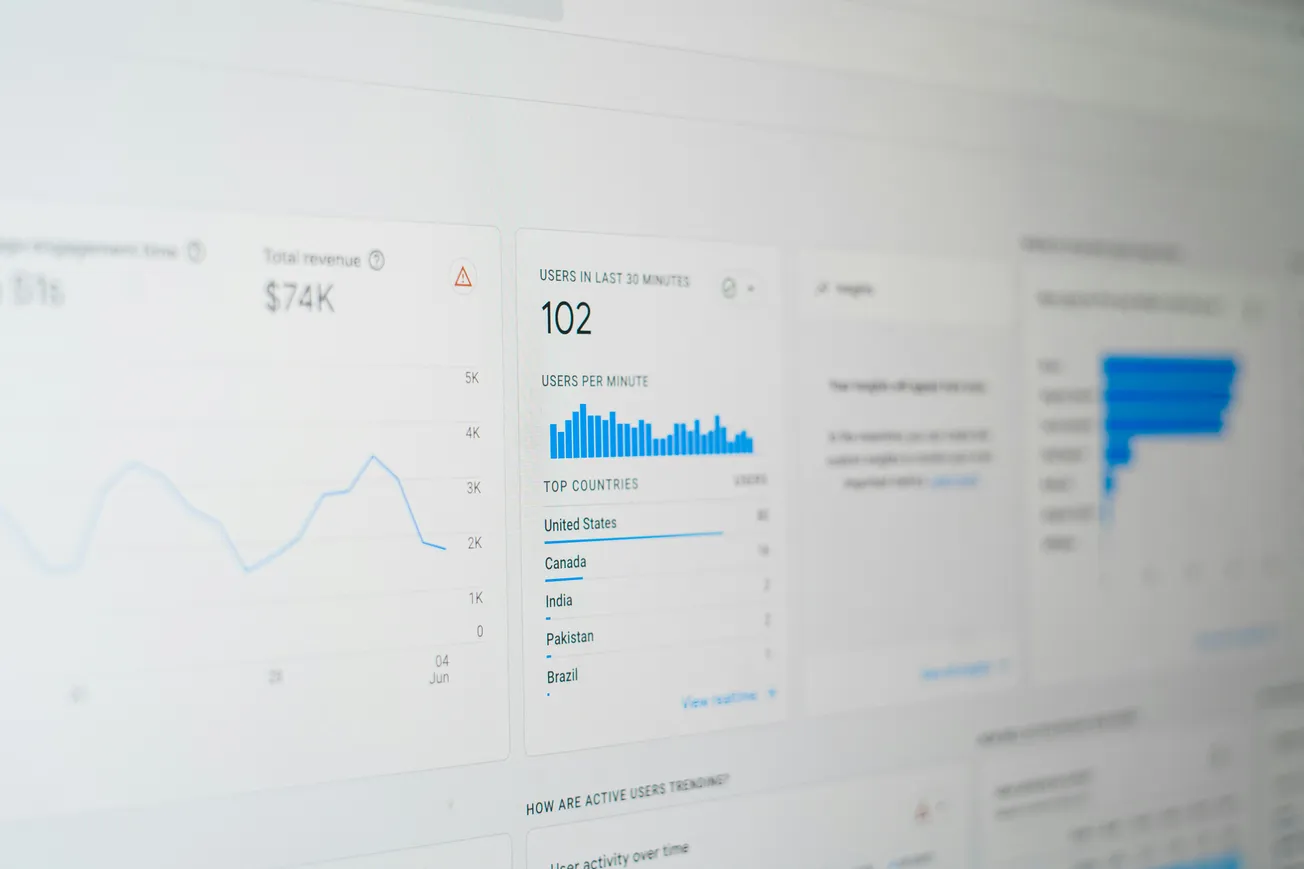
In a world where social networks evolve rapidly and audiences constantly shift their behaviors, social media analysis has become indispensable to modern marketing success.
Rather than guessing which posts work or why audiences engage, analysts use data to evaluate performance, uncover trends, and optimize decisions. The Socialinsider guide on social media analysis offers a structured approach to transforming raw social metrics into meaningful insights that improve strategy and prove value.
What Social Media Analysis Really Means
At its core, social media analysis is the process of collecting, examining, and interpreting data from your social profiles to answer key questions about performance, audience behavior, and competitive context. It involves more than counting likes or followers — it’s about extracting insights that indicate what’s working, what’s not, and why.
A complete social media analysis looks at metrics across platforms and channels, such as engagement rates, impressions, audience growth, and content performance. The goal is to understand how your content resonates, where your best opportunities lie, and how your brand stacks up against competitors.
Why Brands Need Social Media Analysis
Brands that systematically analyze their social data gain several strategic advantages:
- Prioritize the right channels: Not all platforms yield equal ROI. Analysis reveals where your audience engages most, helping you invest time and budget wisely.
- Benchmark performance: Comparing your metrics against industry standards or competitors shows where you shine and where you can improve.
- Understand audience preferences: Deep data lets you identify which content formats and topics resonate most, shaping future content decisions.
- Spot emerging trends: Marketers can use analysis to track trend signals early and adapt content before competitors do.
- Prove ROI: By linking social performance to outcomes such as engagement growth or conversion traffic, analysis supports business cases for social investment.
How to Do Effective Social Media Analysis
A structured analysis begins with clear goals. Ask what you want to measure: is it engagement on a specific campaign, audience growth over time, or cross-platform performance? Once objectives are defined, choose the key performance indicators (KPIs) that answer those questions — such as reach, engagement rate, impressions, or follower growth.
Here are common approaches used in effective analysis:
- Cross-Channel Performance: Evaluate aggregated data across all social networks to see which platforms deliver the strongest results. This helps assess overall brand health and discover hidden opportunities.
- Campaign Analysis: Tag and organize posts by hashtags or keywords to measure how individual campaigns perform and how audiences respond over time.
- Competitive Benchmarking: Compare your key metrics with competitors to identify gaps and potential innovations. Tools like competitor benchmarking dashboards elevate context and strategic planning.
- Content Breakdown: Analyze which types of posts — video, carousel, stories, live streams — generate the most engagement to refine your content mix.
Tools to Help With Social Media Analysis
Various analytics tools support deeper insights:
- Native Platform Analytics: Most networks offer built-in dashboards (such as Meta Business Suite or TikTok Analytics) that provide basic performance metrics and audience demographics.
- Third-Party Analytics Platforms: Solutions like Socialinsider pull cross-platform data, competitive insights, and content comparisons into one interface, simplifying large data sets and boosting efficiency.
- AI-Powered Features: Advanced analytics tools use AI to identify trends, surface patterns, and automate executive summaries that highlight the most strategic insights quickly.
Choosing the right mix depends on your goals, budget, and the depth of insights required.
Conclusion: Analysis as a Strategic Foundation
Social media analysis is no longer a luxury — it’s a strategic necessity for brands that want to make data-backed decisions and stay competitive. By moving beyond vanity metrics to meaningful analysis, marketers can refine campaigns, deepen audience understanding, and prove the impact of their work.
Whether you’re tracking engagement trends, benchmarking against competitors, or optimizing content strategies, a robust social media analysis process empowers smarter decisions and stronger performance.
More about analytics:
 Dan Craft
 Staff Report
 Staff Report