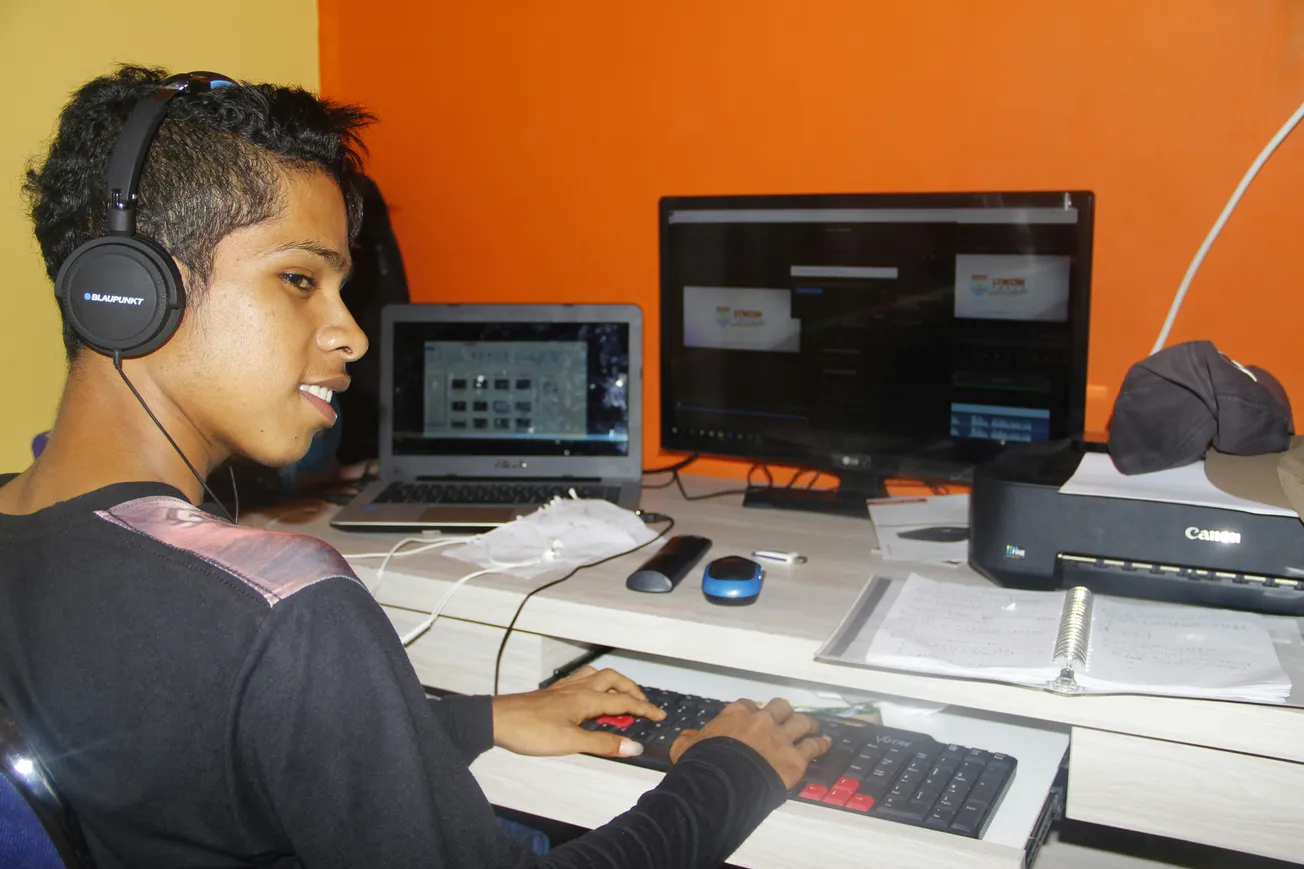


Producing a high‑concept film on a tight budget may feel like a tall order — but many independent creators prove it’s entirely possible with the right approach. Micro‑budget filmmaking (often under $50,000–$100,000) isn’t about cutting corners, but about choosing resources wisely while maximizing creativity and storytelling.
Start with a Story That Matches Your Constraints
The foundation of any successful low‑budget film is a strong, executable script. Rather than envisioning large crowds, expensive sets, or complex stunts, prioritize narratives rooted in character, emotion, and contained scenes.
Limit the number of characters, keep locations minimal (one or two), and write with accessibility in mind. By designing your story around what’s realistically achievable — a single house, a couple of rooms, a friend’s property — you avoid costs tied to travel, permits, and large crews.
Assemble a Lean, Multi‑Talented Team
On a small budget, versatility is gold. A small but committed crew — where individuals take on multiple roles (e.g. camera + light + sound) — reduces costs while keeping the vision tight.
Many successful micro‑budget productions rely on collaborators passionate about storytelling rather than paychecks. Be transparent about finances, offer deferred payment or profit-sharing if needed — but compensate fairly if possible.
Use Accessible Gear & Smart Technical Choices
Modern filmmaking tools have democratized the process. Today’s affordable cameras, lighting kits, sound recorders, and editing software can deliver impressive production value when used well.
Natural light, practical locations, minimalist props, and clever lighting setups (e.g. bounce boards, soft diffused light) can elevate visuals without overspending.
Audio and post‑production deserve early attention — poor sound or rushed editing can undercut even the most ambitious low‑budget films.
Embrace Creative Design & Production Ingenuity
If your film requires stylized settings or world‑building, don’t try to replicate big‑budget spectacle. Instead, lean into creative constraints: use existing locations that match your vision, repurpose props, or imply scale with clever camera work and storytelling.
Many “high‑concept” indie films succeed by focusing on mood, atmosphere, character tension, or inventive narrative structure — often resulting in more emotionally resonant stories than expensive blockbusters.
Plan for Realistic Post-Production & Release
Low‑budget filmmaking isn’t over when shooting ends. Allocate budget for editing, sound design, color grading — these can make or break the final product.
Also plan for distribution and marketing. Many first-time indie films find audiences via streaming platforms, online releases, or film festivals rather than theatrical distribution — but only if awareness and quality are managed well.