
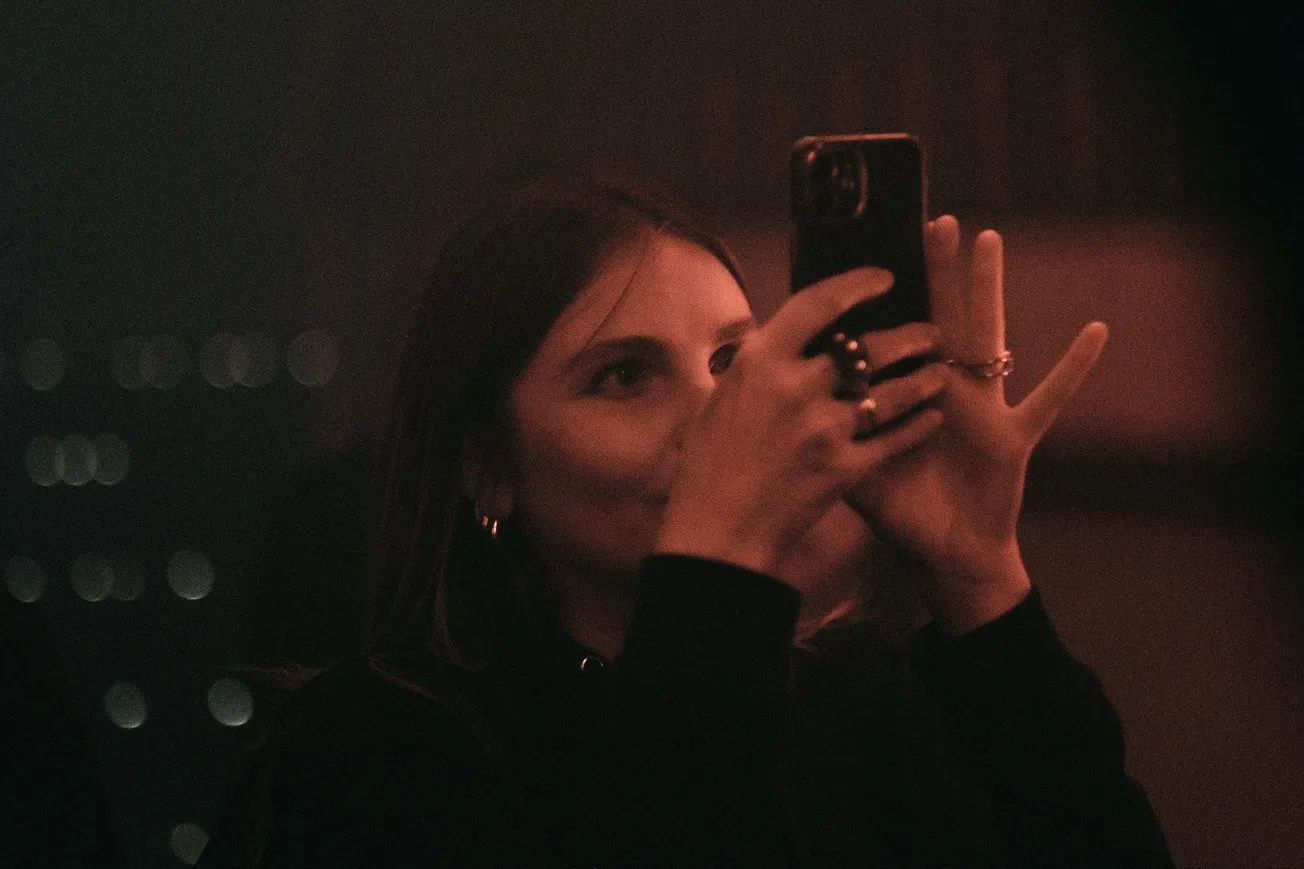
The Shift From Perfection to Presence
For years, the gold standard of digital media was defined by ultra-high-definition 4K resolution, cinematic lighting, and flawless post-production. However, in 2026, a significant cultural pivot toward anti-aesthetic content has emerged. Audiences are increasingly bypassing heavily curated visuals in favor of low-fidelity (lo-fi) video that feels raw, immediate, and human. This trend is not a rejection of quality, but rather a strategic embrace of authenticity in a landscape saturated by hyper-realistic, AI-generated content.
As generative AI tools become capable of producing perfectly lit and framed imagery at scale, flawless production has lost its status as a marker of credibility. According to recent industry reports, nearly 73% of designers and creators are now deliberately incorporating imperfect elements to differentiate their work from algorithmic output. For businesses and podcasters, this shift represents a move away from the "corporate gloss" that often creates a barrier between the brand and the consumer.
Why Lo-Fi Outperforms High Production
The preference for lo-fi content is driven by psychological triggers centered on trust and relatability. In an era of deepfakes and automated marketing, "perfect" often signals "artificial." Conversely, shaky camera movements, natural lighting, and unscripted dialogue serve as proof of humanity. Data from social platforms suggests that TikTok lo-fi ads achieve significantly higher watch-through rates than their studio-quality counterparts, simply because they blend naturally into the user's feed.
This "scrappy" aesthetic reduces the friction between an idea and its publication. When a creator does not have to wait for a multi-person crew or extensive editing cycles, they can respond to industry trends or audience questions in real-time. This agility is a competitive advantage in the 2026 media environment, where relevance often carries more weight than refinement. By utilizing basic video software and mobile tools, small businesses can maintain a consistent presence without the overhead of a traditional production house.
Practical Applications for Businesses and Educators
The anti-aesthetic movement is particularly effective for organizations that rely on authority and expertise. Educational content, for instance, often gains more traction when it looks like a genuine peer-to-peer knowledge share. A screen recording or a quick smartphone video of a whiteboard session can feel more educational and less like a sales pitch. This approach humanizes the instructor and focuses the viewer’s attention on the value of the information rather than the lighting of the room.
In marketing, the use of user-generated content (UGC) and behind-the-scenes footage allows brands to show "proof of life." Sharing the messy reality of product development or the unpolished energy of a team meeting builds a narrative of transparency. For those starting out, understanding the basics of audio and video recording is still essential, but the goal has shifted from masking reality to capturing it clearly.
Human-First Storytelling in the Age of AI
As AI continues to flood digital feeds with "clean" but often interchangeable content, differentiation now comes from visible labor and human quirks. The rise of the "tactile rebellion" in 2026 sees creators using grain filters, glitch effects, and even "anti-AI" typography to signal that a real person was behind the work. This aesthetic shift is about creating a sense of warmth and empathy that algorithms cannot yet replicate.
For the modern creator, the lesson of the anti-aesthetic movement is simple: stop waiting for the perfect setup. The most powerful tool in 2026 is not the most expensive camera, but the ability to tell an honest story. By lowering the production bar, businesses can raise the level of connection they have with their audience, turning "imperfect" content into a hallmark of professional integrity and brand trust.