
Puppeteering might seem like a relic of early entertainment, but its legacy and continued relevance in film and television prove it’s far from obsolete. From ancient storytelling traditions to beloved characters on screen today, puppeteering brings a tangible, human touch that digital effects often struggle to replicate — and creators are rediscovering its value in a CGI‑heavy world.
A Craft with Ancient Roots and Modern Relevance
The art of puppeteering stretches back thousands of years — possibly to ancient Greece — and has evolved dramatically while maintaining its core purpose: bringing inanimate figures to life through skilled manipulation. This blend of performance, craftsmanship, and theatricality sits at the heart of entertainment traditions across cultures. Script and Shutter
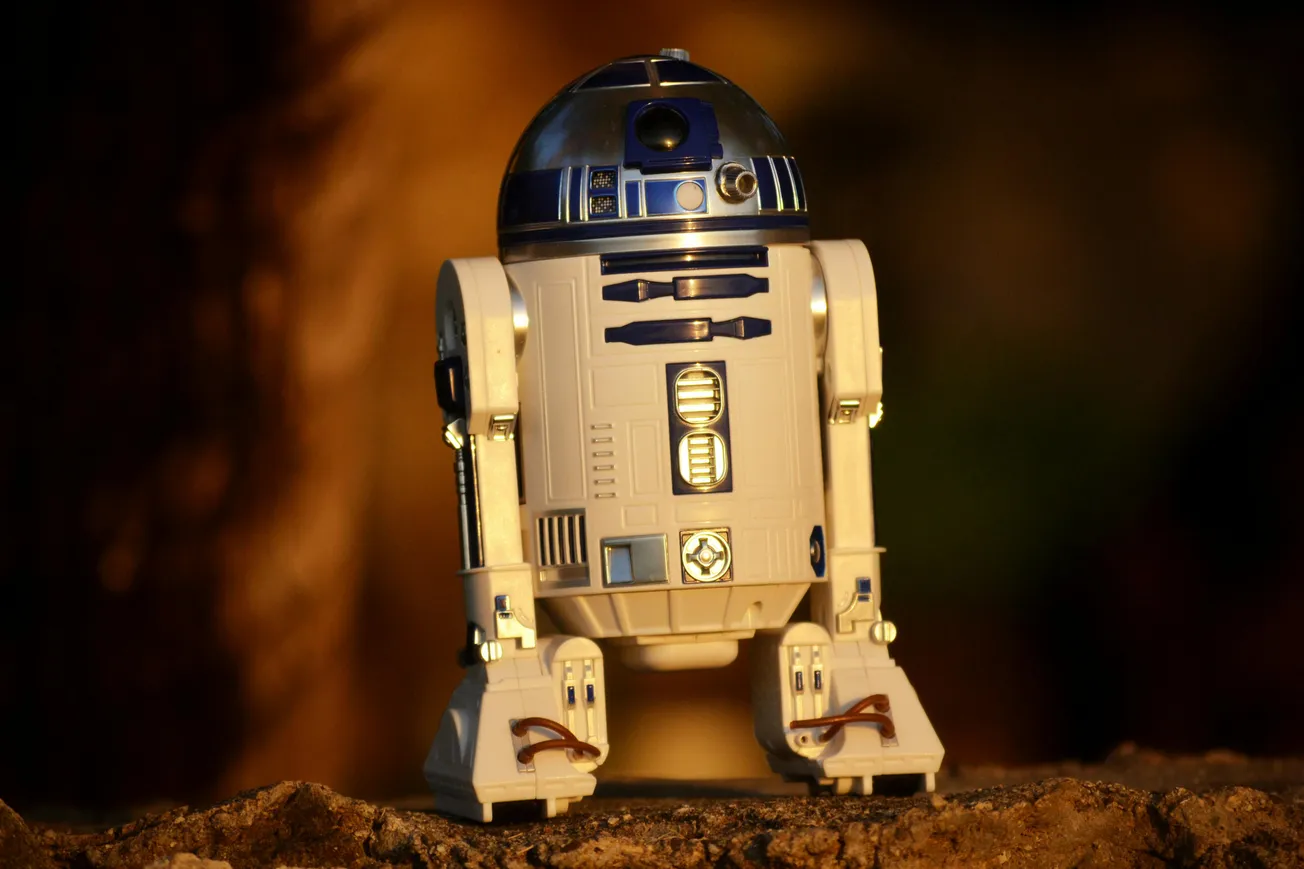
In film and TV history, puppets have played iconic roles. Puppets from the Muppets to Star Wars characters show that puppet characters can connect deeply with audiences of all ages in ways that go beyond mere novelty.
Practical Effects Carry Emotional Weight
Unlike CGI, hand‑operated puppets and animatronics carry a tactile realism that resonates with viewers. Puppeteers manipulate every gesture — from subtle facial movements to sweeping body language — blending performance and technical skill to make characters feel alive.
This hands‑on approach often results in a deeper emotional connection between the audience and the character than is possible with purely digital creations.
This craft’s importance also shows up in major productions like Thunderbirds, where complex marionette construction and puppeteer coordination were central to bringing characters to life, and in horror films like Child’s Play, where animatronics were a key storytelling device long before CGI took over many effects tasks.
Puppets in the Digital Age
Today’s entertainment landscape often blends digital tools with puppeteering, combining the heart of physical manipulation with the flexibility of modern technology. Puppets are used for close‑up character work, while CGI fills in expansive scenes — a hybrid approach that keeps the soul of puppetry alive, even in high‑tech productions.
Beyond mainstream cinema and TV, puppetry continues to flourish in theater, education, and cultural festivals, proving its adaptability and continued relevance.
Whether captivating kids, enhancing fantasy worlds, or offering a visceral alternative to digital effects, puppeteering remains an art form with enduring creative impact in storytelling.