The landscape of American media consumption has reached a significant turning point as digital platforms displace traditional broadcast standards. According to the latest Spoken Word Audio Report from Edison Research, podcasts now account for a larger share of spoken word listening time than AM FM radio. This shift marks the first time in the history of the study that a digital-first medium has claimed the top spot in this category, signaling a permanent change in how audiences engage with information, storytelling, and educational content.
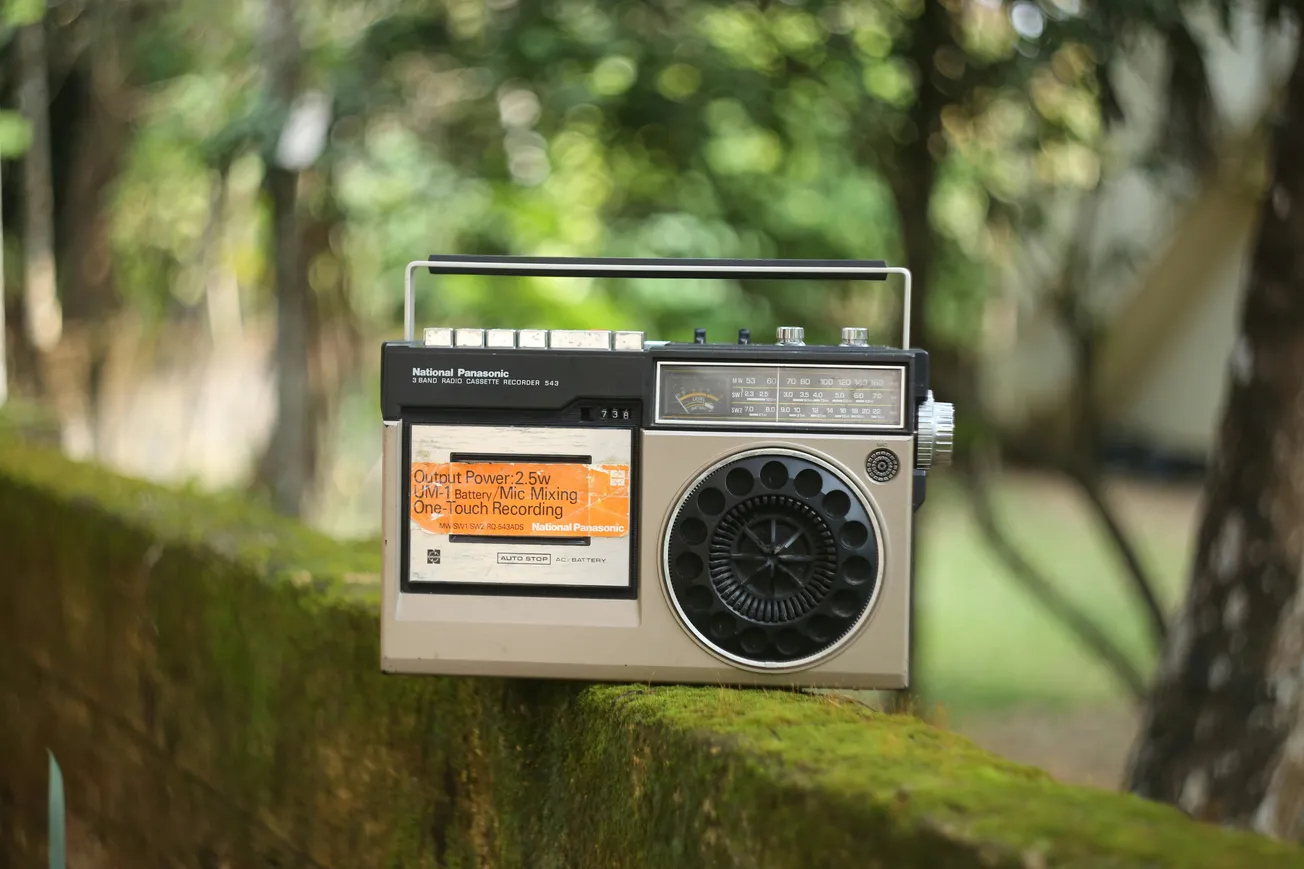
The Spoken Word Audio Report tracks how individuals consume non-music content, including news, sports, talk shows, and personal development programs. For decades, broadcast radio served as the primary vehicle for these formats, particularly during commutes and throughout the workday. However, the rapid adoption of on-demand technology and the proliferation of high-quality niche programming have steadily eroded the dominance of linear broadcasting.
Data indicates that the transition is driven by a combination of convenience and personalization. While AM FM radio relies on a scheduled programming model, podcasts allow listeners to curate their own experiences based on specific interests and professional needs. This level of control is particularly attractive to younger demographics and busy professionals who require flexibility in when and where they consume media.
The implications for businesses and content creators are substantial. As the audience for spoken word content continues to migrate toward digital platforms, the value of establishing a presence in the podcasting space increases. Organizations that previously relied on traditional radio advertising or local broadcast appearances to reach their target markets must now consider how an owned audio strategy fits into their broader communication goals.
For small businesses and educators, the rise of podcasting reduces the barriers to entry for professional communication. Producing high-quality audio no longer requires a broadcast license or expensive transmitter technology. With accessible recording tools and distribution platforms, any organization can reach a global audience. This democratization of audio allows for more diverse voices and specialized topics to find a home in the ears of listeners who are moving away from the generalized programming typical of commercial radio.
Marketing teams are also adjusting their budgets to reflect these new consumption habits. Because podcast listeners often demonstrate high levels of engagement and trust with the hosts they follow, the medium offers a level of intimacy that broadcast radio often struggles to replicate. This engagement translates into better performance for brand messaging and a more loyal community of followers.
The trend toward digital audio is not limited to entertainment. Internal communications and corporate training are also seeing a shift toward asynchronous audio.
By leveraging the same technology that powers the podcasting industry, companies can deliver updates and educational material to employees in a format that fits into a modern workflow. This application of audio storytelling helps reduce screen fatigue while ensuring that important information is delivered in a clear and human way.
As the industry moves forward, the gap between podcasting and traditional radio is expected to widen. Edison Research suggests that the habit-forming nature of on-demand listening makes it unlikely that audiences will return to the linear constraints of AM FM radio for their spoken word needs. Creators and businesses that recognize this shift early will be better positioned to build authority and reach their audiences in the evolving media environment.
The shift in listener preference highlights the necessity for a robust digital audio strategy. Whether through the development of original shows or the strategic use of audio in marketing and education, the transition from broadcast to on-demand is a fundamental change in the media ecosystem. Understanding these trends is essential for anyone looking to scale their impact and connect with modern audiences effectively.
More information on the data and methodology used in this study can be found directly at Edison Research. For those looking to start their own journey in digital audio, exploring the basics of podcasting and recording workflows is a practical first step toward capturing this growing audience.
More about audio:
 Staff Report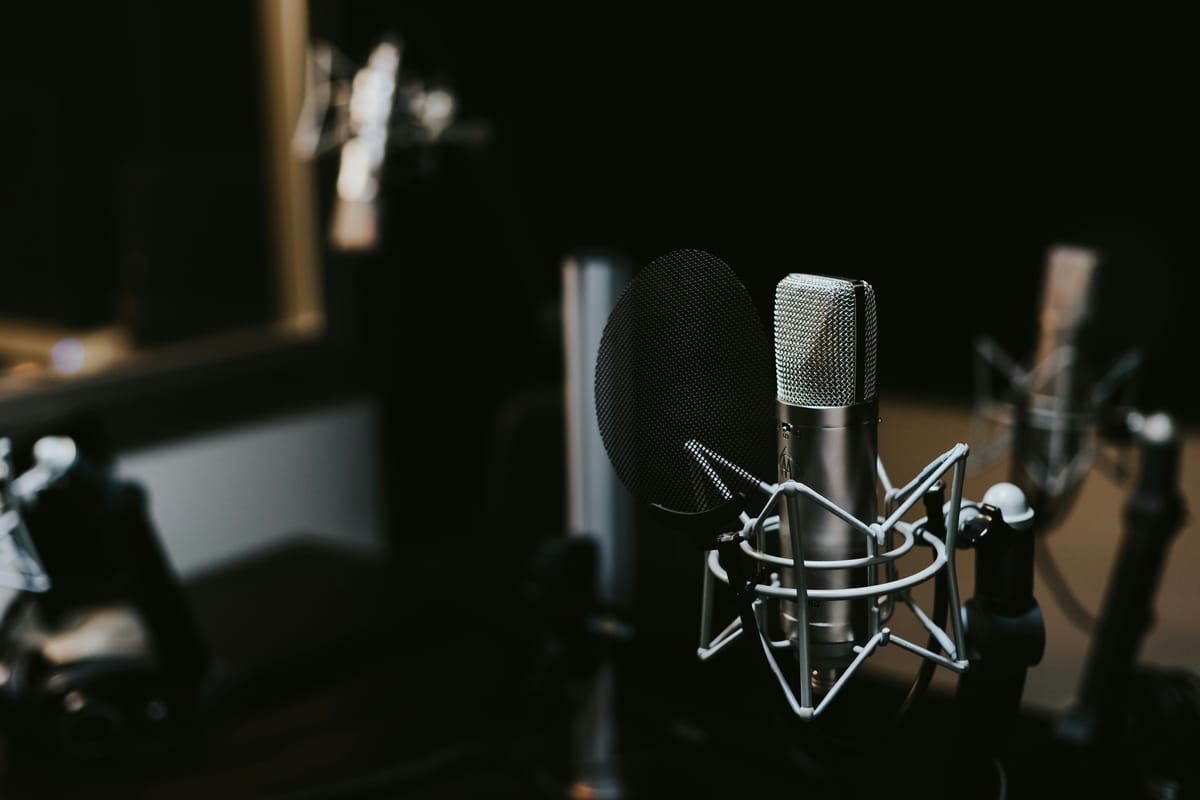
 Staff Report
 Staff Report