
The podcasting industry is entering a period of recalibration, shaped by changing audience habits, platform shifts, and a more measured view of artificial intelligence. Rather than chasing scale at any cost, creators and platforms are increasingly focused on sustainability, adaptability, and trust. Many industry observers now describe this moment as the start of a new era for podcasting—one defined less by volume and more by relevance.
The Rise of Liquid Content
Steven Goldstein of Amplifi Media has described the current phase of podcasting as the move toward “liquid content.” This concept refers to content designed to flow across formats, platforms, and audience behaviors, instead of being locked into rigid episode structures.
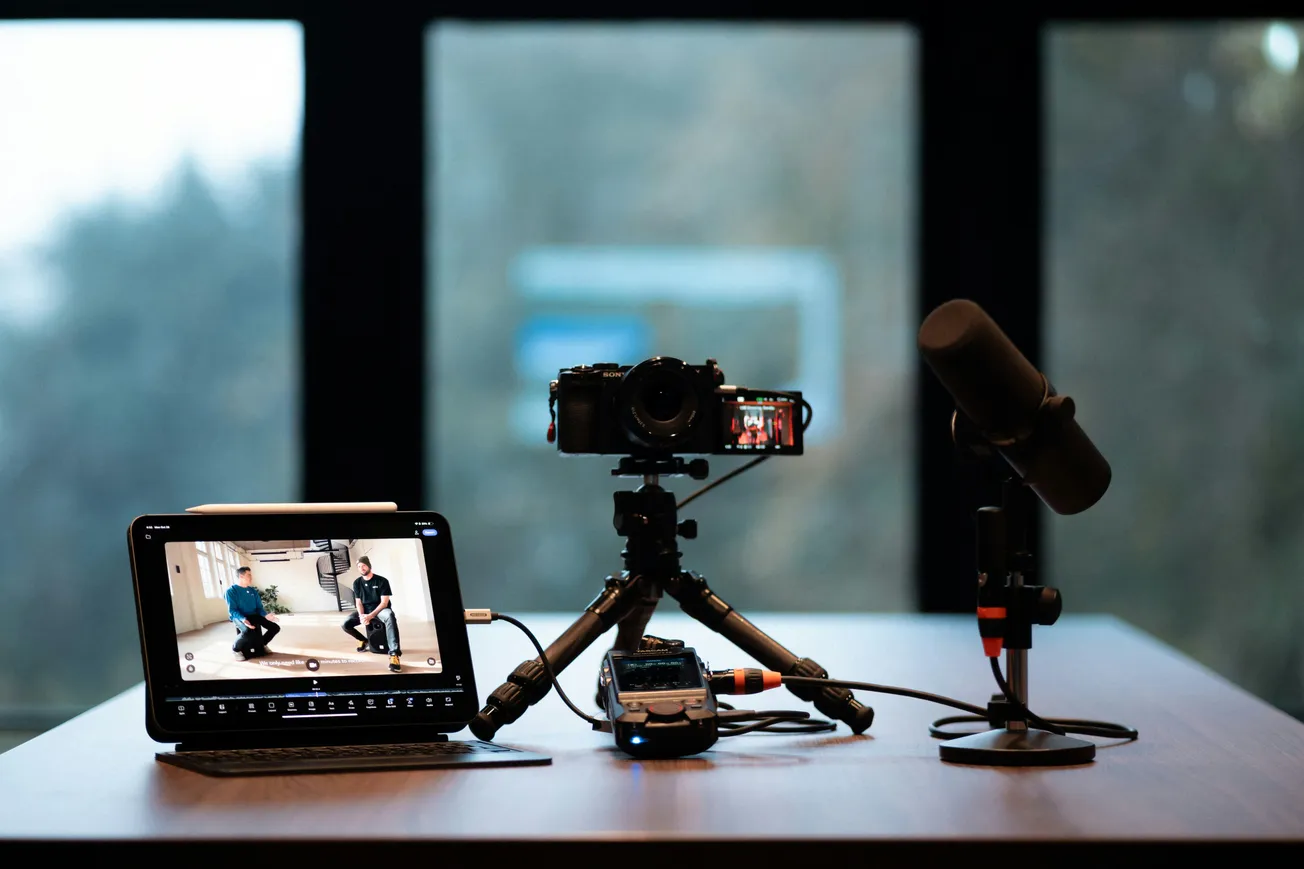
In practice, this means podcasts are no longer just audio shows released on a schedule, but flexible content assets that can be reshaped into clips, video segments, newsletters, and social posts based on how audiences actually consume media.
As listener habits fragment across platforms like YouTube, Spotify, and short-form video feeds, liquid content allows creators to meet audiences where they already are, rather than trying to pull them into a single listening destination.
Navigating the AI Landscape
Artificial intelligence continues to play a growing role in podcast production, particularly in editing, transcription, content repurposing, and workflow automation. For many creators, AI tools have lowered barriers to entry and made consistent publishing more achievable.
At the same time, listener sentiment toward AI-generated content is becoming more nuanced. While audiences generally accept AI as a behind-the-scenes production aid, there is growing skepticism toward shows that feel automated, generic, or disconnected from real human experience. Authenticity, personality, and perspective remain central to audience trust, suggesting that AI works best when it supports creators rather than replaces them.
As a result, many expect low-effort, AI-driven podcasts to lose traction, while creator-led shows with clear intent and human connection continue to stand out.
Shifting Consumption Habits
Podcast discovery is also evolving. Audiences increasingly rely on platform recommendations, curated lists, and algorithmic suggestions rather than actively searching for new shows. Spotify, YouTube, and other platforms are investing heavily in personalization, making discoverability more passive and feed-driven.
Video continues to influence how podcasts are consumed, particularly during daytime and work-adjacent hours. YouTube has become a primary destination for podcast viewing, while traditional streaming services remain more focused on long-form, appointment viewing. Media outlets and publishers continue to shape listener discovery through annual “best of” lists and editorial recommendations, reinforcing the value of curation in an overcrowded market.
Industry Developments
On the business side, podcast technology companies are expanding beyond basic recording and hosting. Platforms serving internal communications, branded podcasts, and enterprise teams are adding video, collaboration tools, and more advanced analytics. International expansion and hybrid studio-plus-software models reflect a broader shift toward integrated, multi-format content ecosystems.
Together, these developments point to a podcasting industry that is maturing rather than slowing—one that rewards strategic thinking, adaptable formats, and creators who understand that distribution, workflow, and audience trust are now as important as the content itself.
More about podcasting industry:
 Staff Report
 Staff Report
 Staff Report