

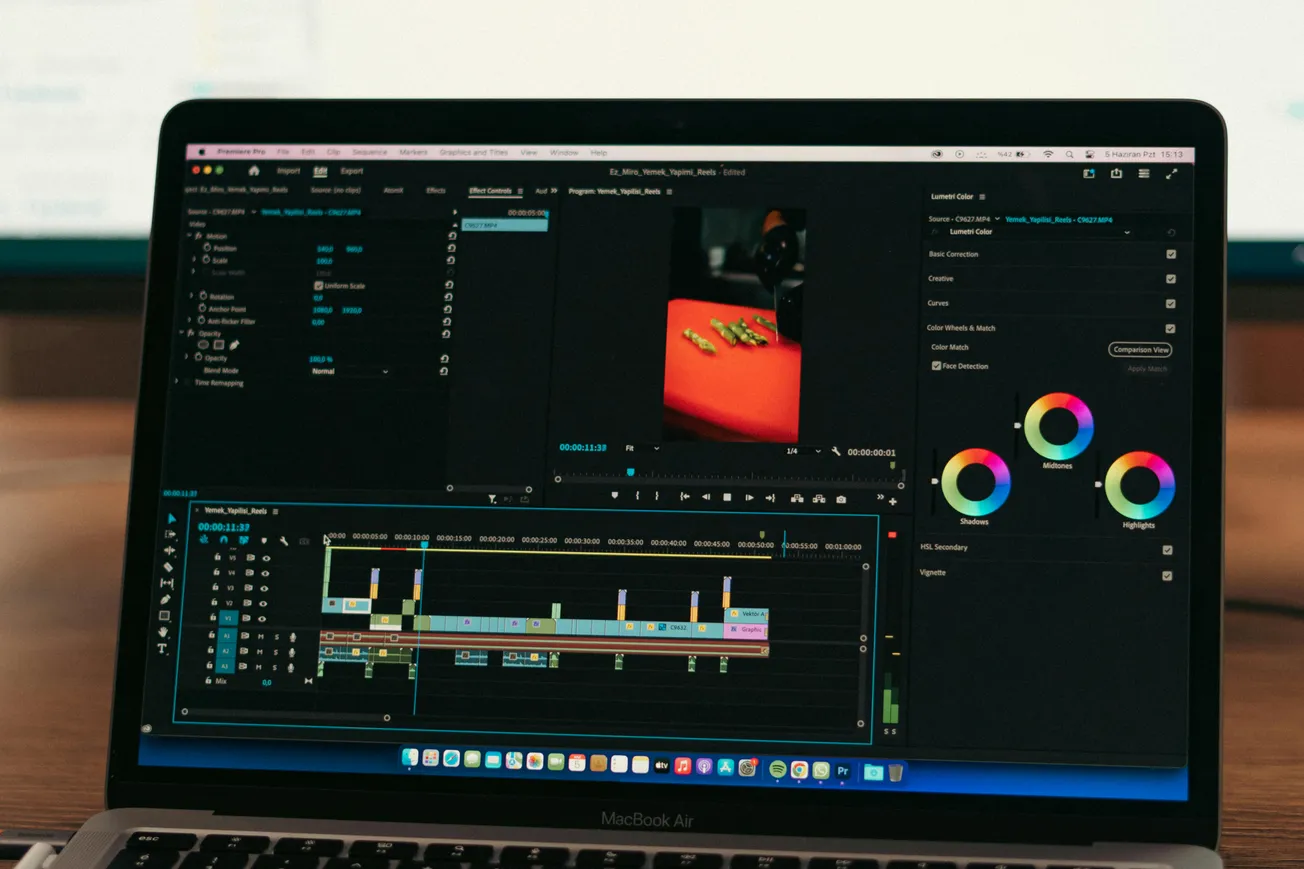
In 2025, a clear pattern emerged among top audio creators: mastering a few simple, repeatable editing techniques significantly elevated their content. Insights from thousands of creators using platforms like Podcastle reveal a shift towards more intentional, listener-focused editing practices that prioritize clarity, emotion, and engagement over technical perfection.
Mixing for the Real World
Creators in 2025 moved beyond mixing solely for studio headphones. The necessity to cater to diverse playback systems—from phone speakers and earbuds to car Bluetooth and smart TVs—made loudness consistency a critical factor for listener retention.
Platforms like Spotify now normalize audio to -14 LUFS, emphasizing the need for consistent volume levels. The new workflow prioritizes intelligibility, followed by normalization and a sanity check on multiple devices.
The Rise of Transcript-Based Editing
Editing by text became the default first pass for many creators. This shift from manipulating waveforms to editing meaning in language offers significant advantages in speed, searchability, and structural clarity.
Creators could quickly remove rambling sections, find specific moments by searching keywords, and refine the narrative flow as if editing a document, preserving natural pacing and human texture.
The Art of 'Just Enough' Cleanup
While AI tools made noise reduction easier, the challenge shifted to avoiding over-cleaning. Creators learned that overly processed audio can sound artificial and alienate listeners.
The focus moved to removing just enough distraction for clarity, preserving the natural texture of the voice, and treating noise reduction as a 'dose' rather than a fix-all. The mantra became: clean the environment, not the person.
Mastering Remote Conversations
With remote recording becoming standard, editing conversations presented new challenges, often stemming from guests' varied recording environments. Top creators focused on preventative measures before recording—guiding guests on mic proximity and room acoustics.
Post-recording, they employed subtle EQ and kept room tone consistent to create a cohesive listening experience, understanding that good audio is often prevented, not just fixed.
Pacing as a Creative Tool
In 2025, pacing evolved into a deliberate creative tool, heavily influenced by platform metrics that prioritize listener retention.
Creators focused on micro-tightening gaps, using intentional pauses for emphasis, building momentum arcs, and drastically shortening intros to capture attention within the crucial first 15-20 seconds. This approach transformed how listeners experience conversations.
Emotional Clarity in Editing
Editing for emotional clarity became paramount, especially in collaborative or narrative content. This involved preserving natural reactions like overlapping "yeahs" and soft laughs, re-timing lagged responses to match emotional beats, and highlighting key emotional sentences within discussions.
Advanced tools now allow creators to maintain or even amplify the emotional contour of conversations, a feat once exclusive to high-end studios.
More about editing:
 Staff Report
 Staff Report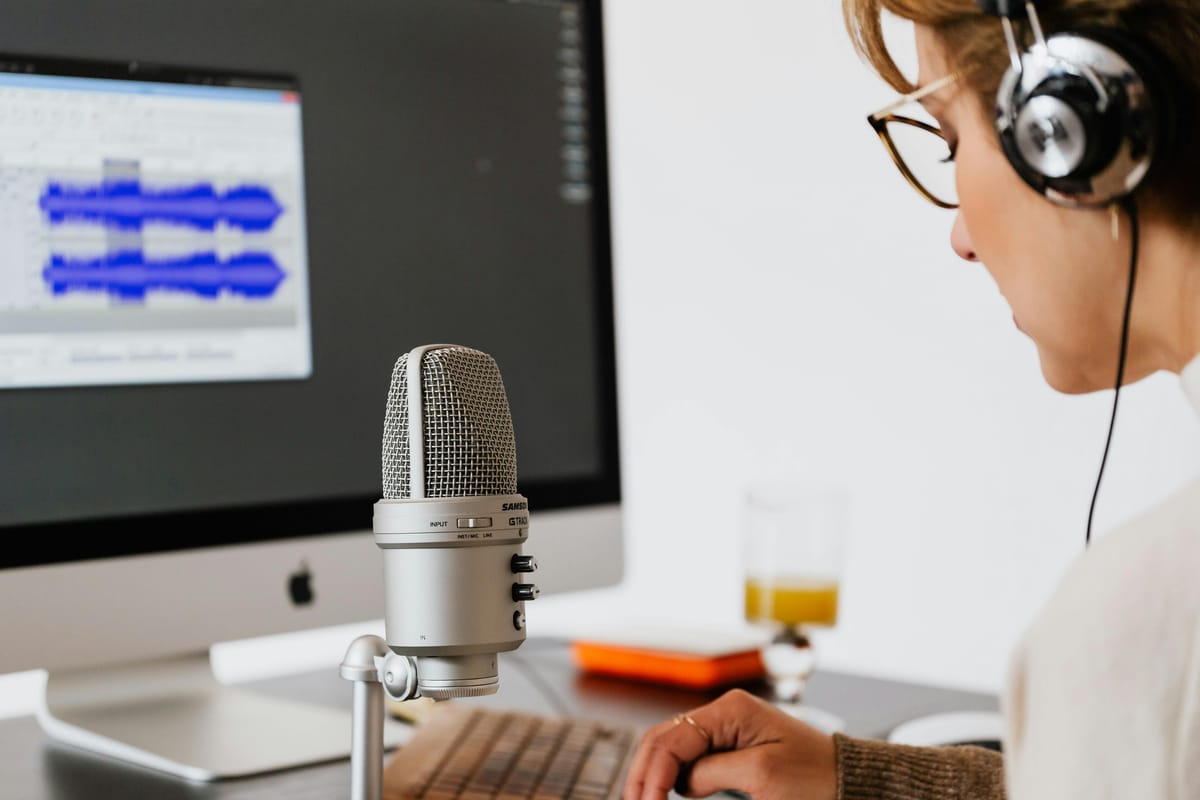


)