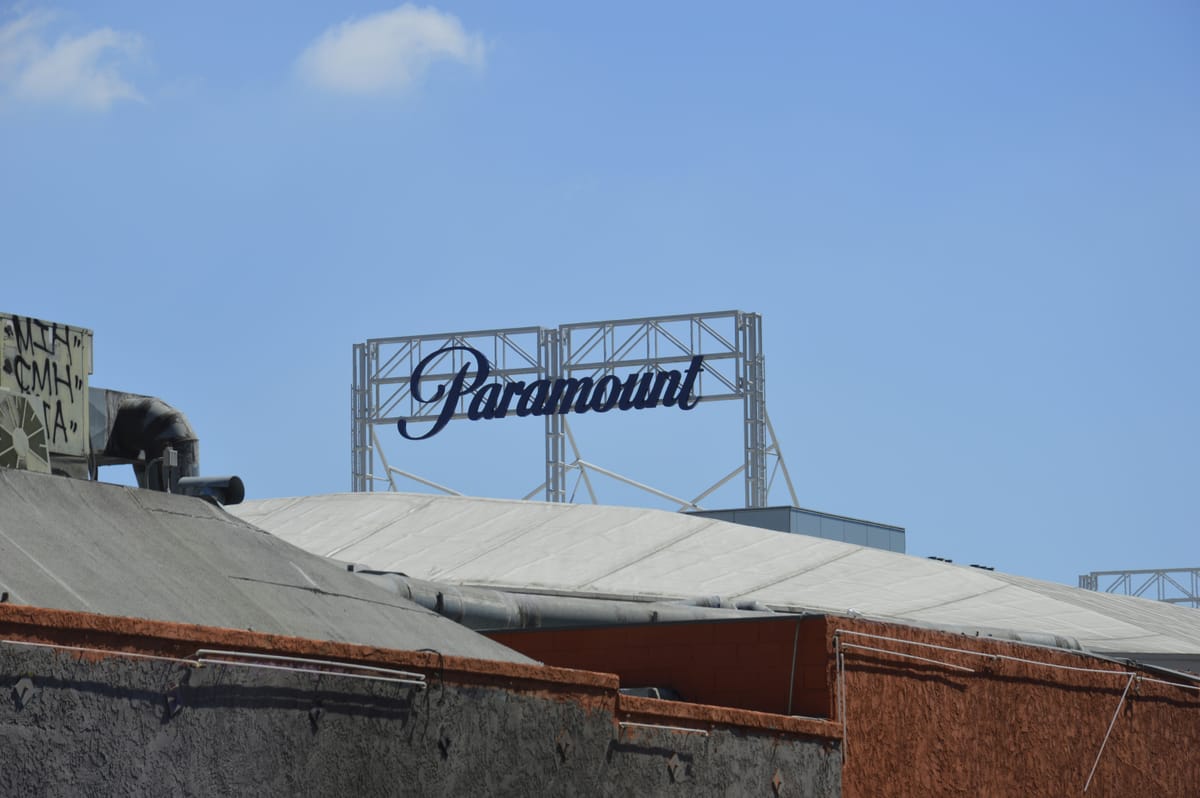


Understanding the Creative Shift in the Paramount and Warner Bros. Discovery Union
The media landscape has been fundamentally altered by the announcement that Paramount Skydance will acquire Warner Bros. Discovery in a deal valued at 111 billion dollars. While much of the initial coverage focused on stock prices and executive leadership, the more profound impact lies in how this consolidation will reshape the daily lives of directors, showrunners, and independent creators.
As two of Hollywood's most storied institutions merge, the creative community is facing a future defined by fewer buyers and a more centralized decision-making process.
For those behind the camera, the deal represents a paradox of increased resources and decreased opportunity. On one hand, the combined entity will control an unparalleled library of intellectual property, from the DC Universe to Star Trek. On the other hand, the reduction in the number of major studios means that creators have fewer places to pitch their original ideas. Understanding these new dynamics is essential for anyone navigating the high-stakes world of professional film and television production.
Creative Autonomy and the Future of the HBO Brand
A primary concern for directors and high-level creators is the preservation of creative autonomy. Historically, HBO has been a sanctuary for prestige storytelling, operating with a level of independence that attracted top-tier talent. In a recent investor call, Paramount Skydance CEO David Ellison emphasized that the company intends for the HBO brand to continue to operate with independence. This is a strategic move to reassure the creative community that the "Gold Standard" of television will not be diluted by corporate synergy.
However, history shows that large-scale mergers often lead to a standardization of content to appeal to a broader subscriber base. As Paramount+ and HBO Max move toward a unified streaming stack, creators may find that their projects are subject to more rigorous data-driven scrutiny. For directors, the challenge will be maintaining a unique artistic vision while satisfying the algorithmic demands of a platform with over 200 million subscribers.
Impact on Production Workflows and Resource Sharing
The merger is expected to generate 6 billion dollars in operational efficiencies, much of which will come from consolidating production infrastructure and technology. For technical directors and post-production teams, this could mean a shift toward a more unified set of tools and delivery standards. By integrating the technical workflows of both Paramount and Warner Bros., the new company aims to eliminate the friction that often exists when moving assets between different studio ecosystems.
This consolidation also extends to physical resources. The combined company will oversee a vast network of soundstages, visual effects houses, and editing suites. While this could lead to more streamlined scheduling for large-scale projects, it also raises questions about the availability of these resources for independent productions. As the studio prioritizes its own massive franchises, smaller, more experimental projects may find themselves pushed to the margins of the production calendar.
The Return of the Theatrical-First Model
One positive development for directors is the renewed commitment to theatrical releases. Paramount Skydance has signaled a move away from the "day-and-date" streaming models that frustrated many filmmakers during the early 2020s. The plan to release at least 15 films per year from each studio with a protected theatrical window is a major win for those who believe that certain stories are best experienced on the big screen.
This shift underscores the value of the theatrical experience as a marketing engine for the subsequent streaming life of a film. For creators, a theatrical release provides a level of prestige and cultural impact that a streaming-only debut rarely achieves. By re-establishing the "windowing" system, the new entity provides a clearer path for films to build momentum and reach diverse audiences over time.
Navigating a More Consolidated Industry
As the merger moves toward its expected close in late 2026, the creative community must adapt to a more consolidated industry. The reduction in competition among studios will likely lead to more standardized contracts and less leverage for individual creators during negotiations. For many, the key to success in this new environment will be the ability to work across different formats—from short-form digital content to prestige limited series.
The Paramount and Warner Bros. Discovery deal is a reminder that the business of storytelling is as much about infrastructure as it is about imagination. By reducing technical and financial friction, the merger aims to create a more robust platform for global distribution. However, the true measure of its success will be whether it can foster a culture that continues to take risks on new voices and original ideas.
More about Warner Bros.:
 Staff Report
 Staff Report
 Staff Report