
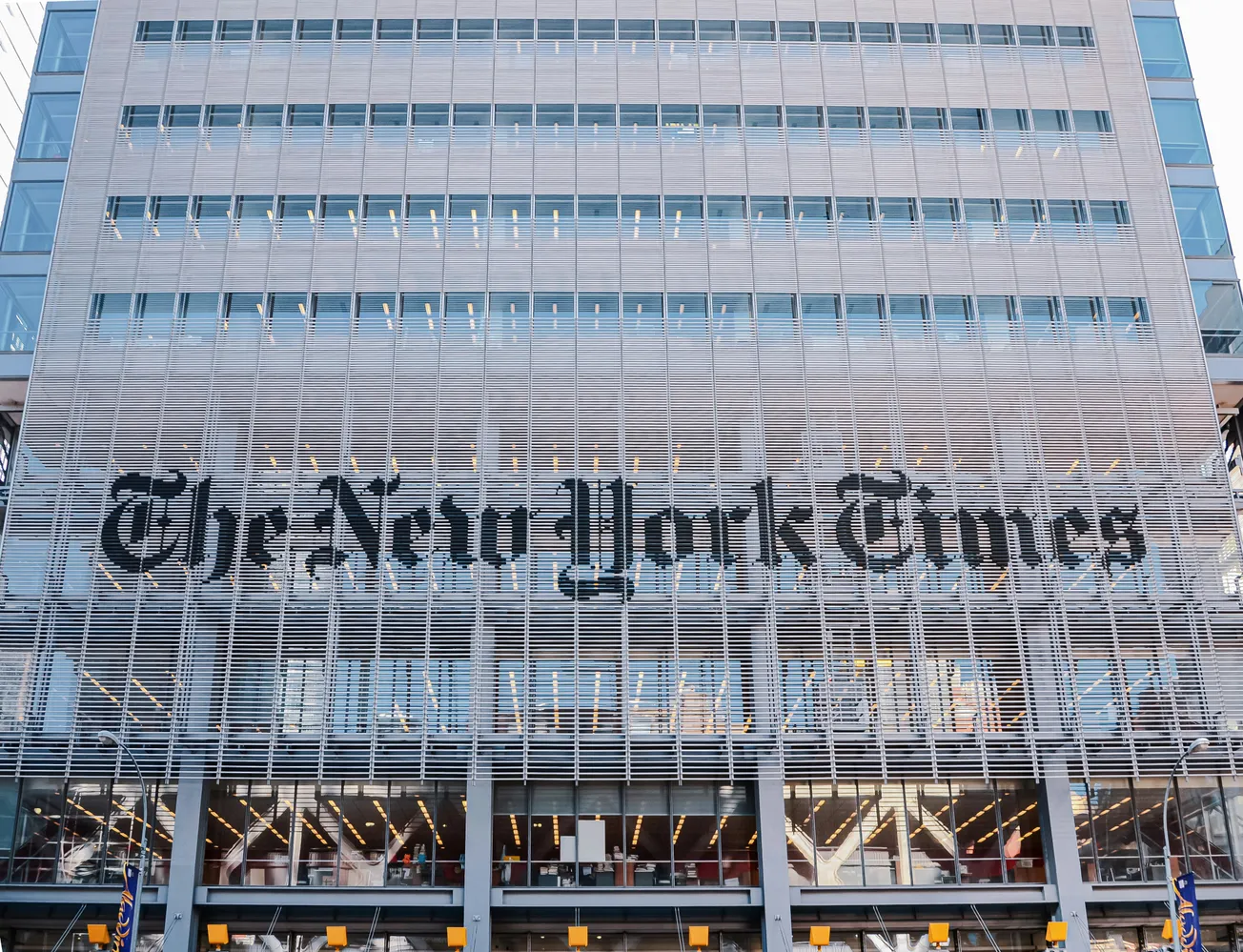
Video podcasts are moving from an experimental format to a core media strategy, and The New York Times is positioning itself accordingly. According to Podcast News Daily, the company is leaning more aggressively into video podcast production as advertising revenue tied to the format continues to grow.
The shift reflects a broader change in how audiences consume spoken-word content and how publishers monetize it. For creators, media companies, and businesses alike, the Times’ move offers a clear signal: video podcasts are becoming a serious revenue and distribution channel, not a side project.
Why Video Podcasts Are Gaining Momentum
Podcasting has traditionally been an audio-first medium, valued for its intimacy and convenience. However, platforms such as YouTube, Spotify, and social video networks have reshaped listener expectations. Many audiences now discover podcasts through video clips, full-length video episodes, or algorithm-driven feeds rather than audio apps alone.
Advertising growth is a key driver behind The New York Times’ renewed focus. Video podcasts offer more visual inventory for sponsors, more flexible ad formats, and stronger performance metrics compared to audio-only placements. These factors make video podcasts especially attractive to brand advertisers seeking measurable engagement.
The New York Times’ Video Podcast Strategy
The New York Times already operates one of the most successful podcast portfolios in the industry, with shows such as The Daily serving as flagship audio properties. The company’s evolving strategy builds on that foundation by expanding select podcasts into video-forward formats and designing new productions with video in mind from the start.
Rather than treating video as a simple add-on, the Times is approaching video podcasts as editorial products that align with its broader journalism and storytelling standards. This includes thoughtful set design, professional lighting, and formats that work both as full-length episodes and as short-form clips for social distribution.
This approach allows the Times to extend the life of each episode across platforms, increasing reach while maintaining editorial consistency.
Advertising Growth Is the Catalyst
Ad revenue tied to video podcasts is accelerating faster than traditional podcast advertising. Video enables brand integrations, host-read ads with visual context, and sponsorship placements that feel more native to modern viewing habits.
For a publisher like The New York Times, which already has deep relationships with advertisers, video podcasts create opportunities to package audio, video, and digital placements together. This bundled approach is attractive to advertisers looking for cross-platform campaigns rather than single-channel buys.
The result is a stronger business case for investing in higher production values and more scalable video workflows.
Distribution Beyond Audio Platforms
One of the most significant advantages of video podcasts is distribution flexibility. Audio podcasts are largely confined to podcast apps, while video podcasts can live simultaneously on YouTube, publisher websites, social platforms, and streaming services.
By leaning into video, The New York Times can meet audiences where they already spend time watching content, not just listening. This is particularly important for younger audiences who may discover spoken-word content through video feeds rather than traditional podcast directories.
Clips extracted from video podcast episodes also function as marketing assets, driving traffic back to full episodes and supporting subscriber growth.
What This Means for Creators and Businesses
The Times’ strategy reinforces a trend already taking shape across the industry. Video podcasts are no longer limited to high-budget studios or celebrity hosts. As tools become more accessible, even small teams can produce video podcasts that meet audience expectations.
For independent creators and businesses, the takeaway is not that audio is obsolete, but that video adds optionality. A single recording session can generate an audio podcast, a full video episode, short social clips, and visual assets for marketing and education.
Advertisers are paying attention to formats that deliver both reach and engagement, and video podcasts increasingly check both boxes.
A Signal of Where Podcasting Is Headed
The New York Times leaning into video podcasts is less about abandoning audio and more about adapting to how audiences and advertisers behave today. As advertising dollars follow attention, publishers are aligning production strategies with formats that perform across platforms.
For the broader podcast ecosystem, this move underscores an important reality. Podcasting is no longer defined by audio alone. It is evolving into a multi-format medium where sound, video, and distribution strategy work together.
Video podcasts are not just a trend. They are becoming a foundational part of how modern media organizations grow audiences and revenue in an increasingly competitive landscape.
More about video podcasts:
 Staff Report
 Staff Report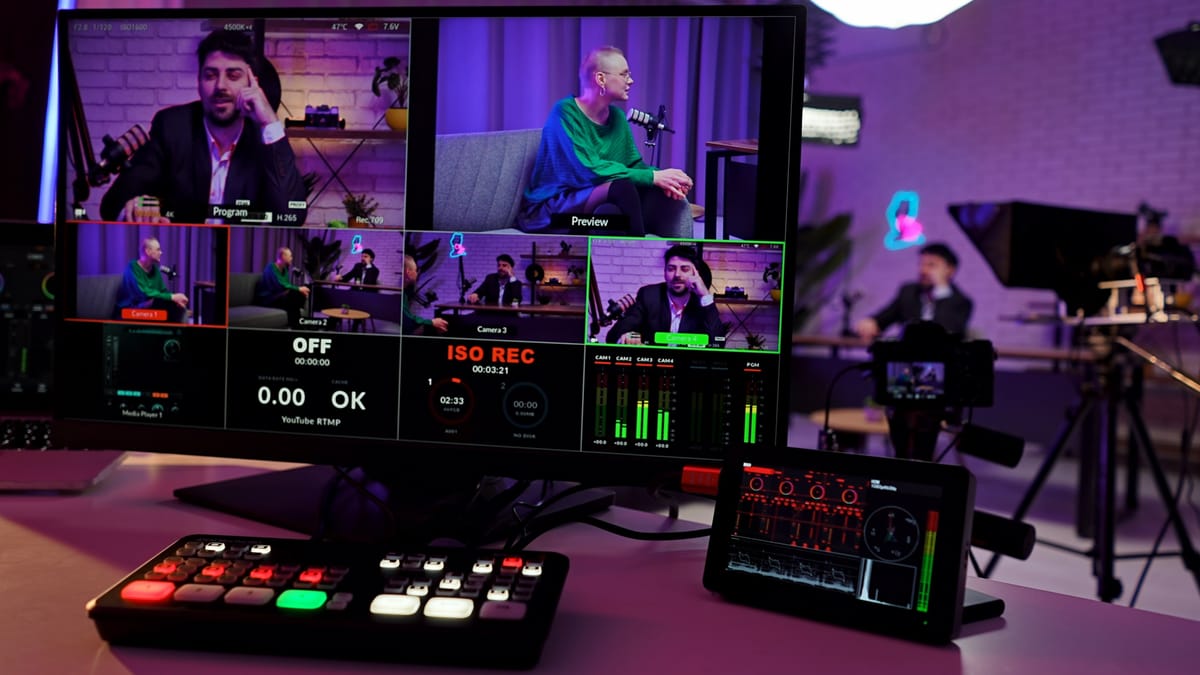
 Staff Report