
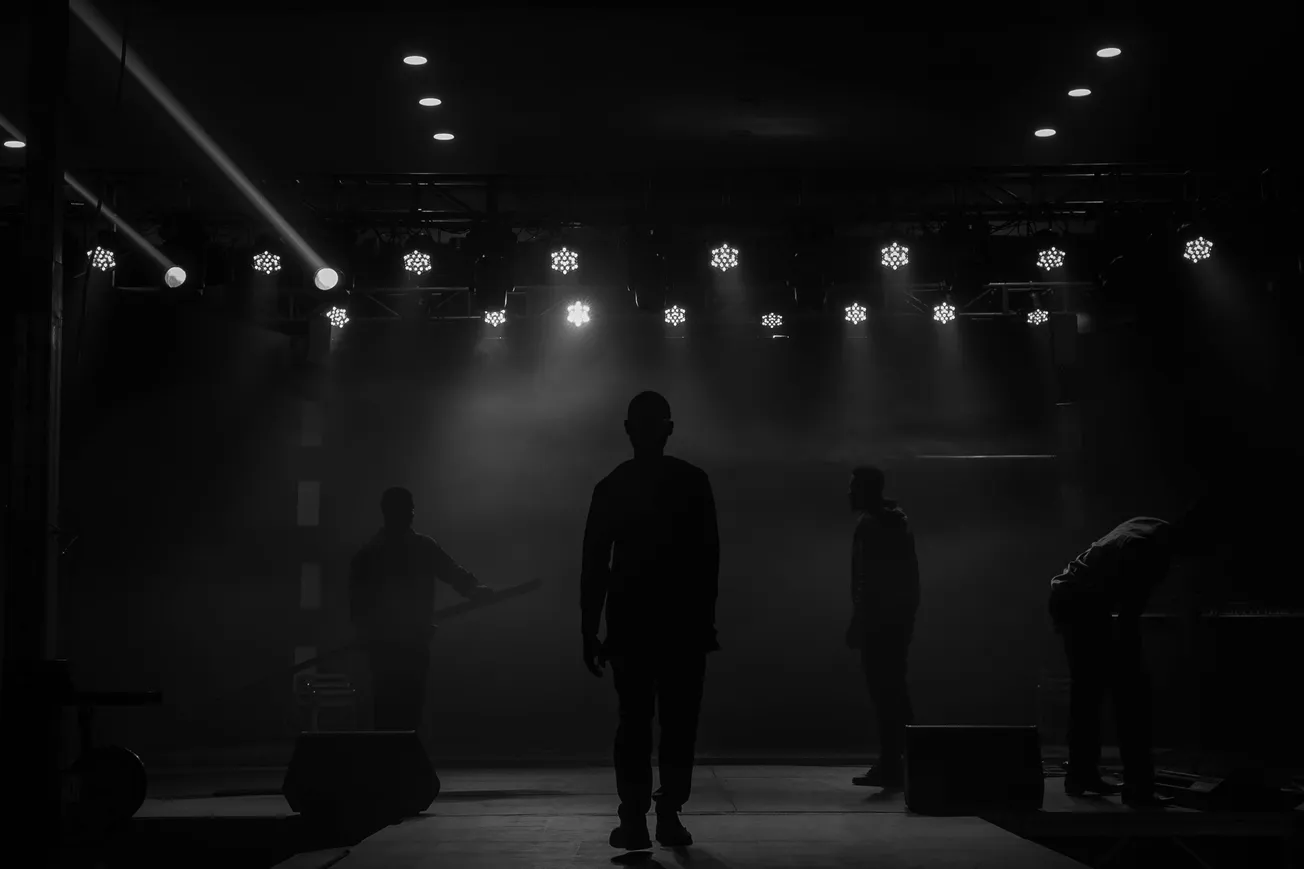
Live production is entering a new phase. Events like FUJI ROCK FESTIVAL ’25 demonstrated what’s now possible: a multi-day festival staged deep in the Japanese mountains, streamed live to global audiences via Prime Video and Twitch — without a massive on-site crew.
This marks a shift toward more scalable, tech-driven approaches to broadcasting live events.
Hybrid and Cloud-Based Workflows
At the core of this evolution is the Remote Integration Model (REMI), where video feeds are captured on-site but managed off-site — sometimes thousands of miles away. Paired with cloud production tools and IP-based infrastructure, these workflows reduce costs, streamline logistics, and make professional live production more accessible.
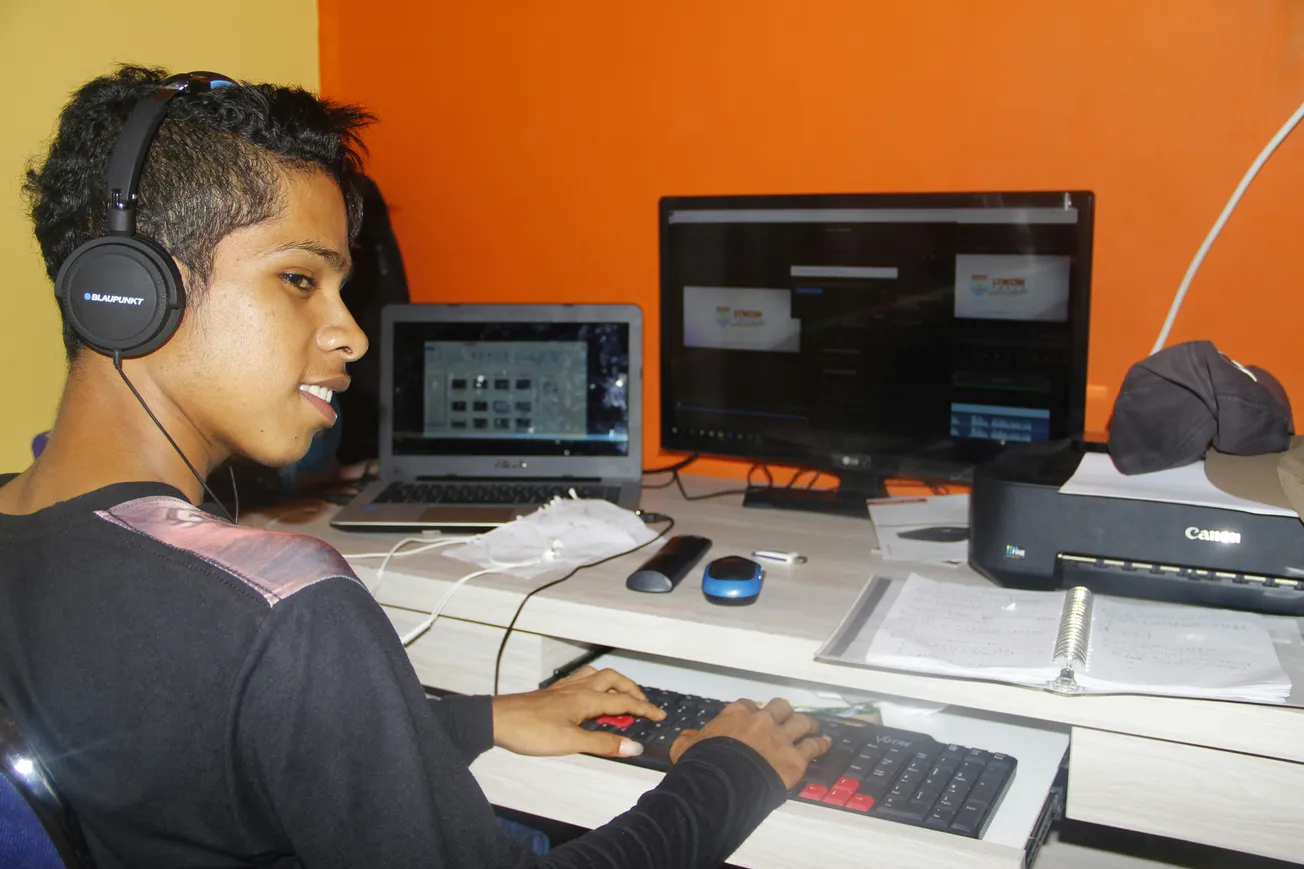
Cloud-enabled tools now allow remote teams to switch video, mix audio, control graphics, and monitor quality in real-time — all from centralized control rooms or even from home setups. This flexibility makes high-end production feasible for more types of events, from global concerts to corporate webinars.
Elevated Expectations for Live Content
What once felt like a raw livestream is now a polished, multi-angle experience. With remote PTZ cameras, real-time graphics overlays, and immersive audio, today’s live streams rival traditional broadcast television. Viewers now expect this level of quality, even for mid-size or niche events.
The FUJI ROCK setup used lightweight gear and portable infrastructure to deliver high-resolution streams with minimal delay. It’s a model that’s quickly gaining traction across the industry.
Why It Matters
For creators, artists, producers, and event organizers, this is a turning point. High-quality live production no longer requires full studio builds or on-site control rooms. With the right tools, teams of any size can broadcast to the world — efficiently, affordably, and professionally.