
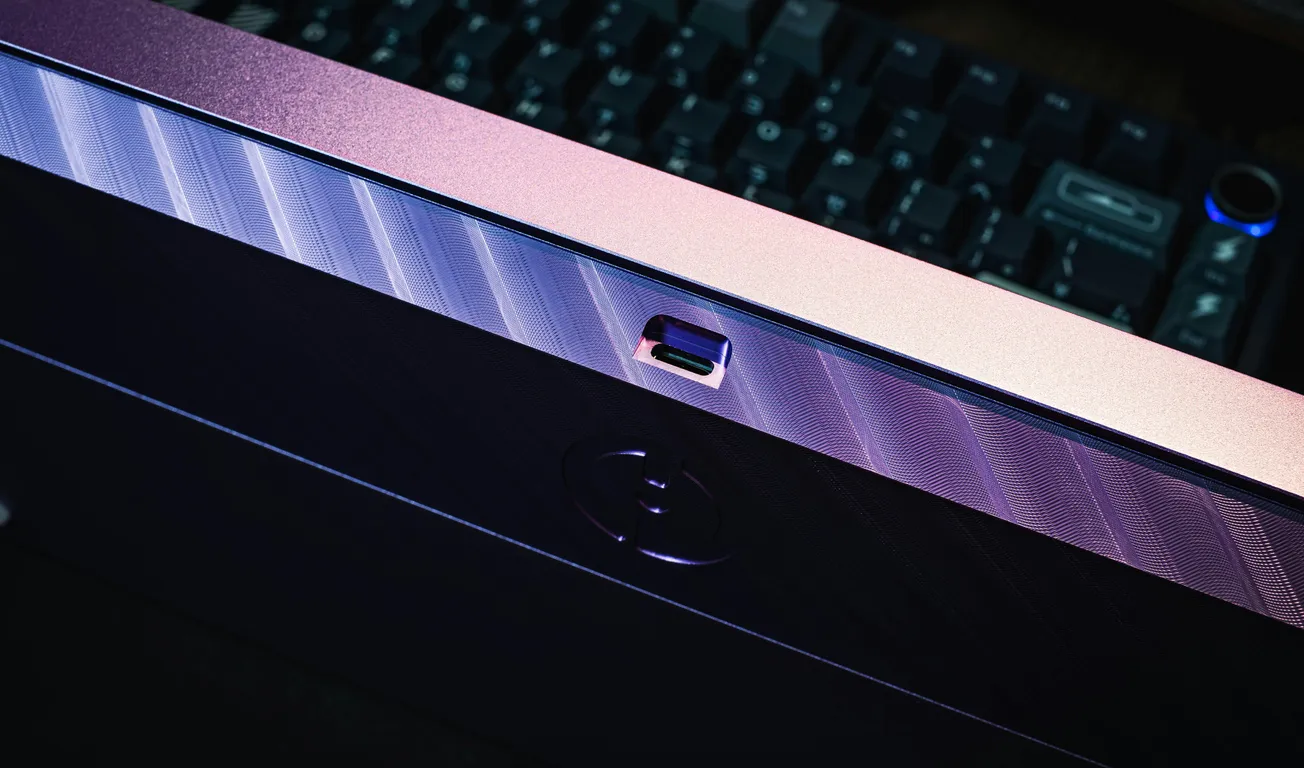
The Lewitt Connect 2 is a compact audio interface targeting content creators, streamers, and podcasters who need reliable performance without technical complexity. Priced around $200, it offers high-gain preamps, user-friendly controls, and built-in DSP processing — making it a competitive choice in its class.
Key Features and Performance
High-Gain Preamps
The Connect 2 provides up to 72dB of gain, enough to support gain-hungry microphones like the Shure SM7B without external boosters. This headroom offers flexibility for dynamic mic users across various recording environments.
Clipguard Protection
One standout feature is Clipguard, which automatically reduces input levels in real-time to prevent distortion. This functionality is particularly useful during live streams or unpredictable recording situations.
Versatile Connectivity
The unit includes an XLR mic input, high-Z instrument input, balanced monitor outputs, and dual headphone jacks (3.5mm and 1/4"). It connects via USB-C and comes with both USB-C and USB-A adapter cables.
Built-In DSP Processing
The interface includes non-adjustable onboard processing such as three EQ tone presets (Clean, Warm, Vivid), a high-pass filter (~200Hz), compression, and denoising. While limited in customization, these features add polish to recordings and are easy to activate.
Auto Gain and Touch Controls
A touch-sensitive control dial adjusts input levels and mix settings. Auto-gain functionality allows users to set levels by performing for 10 seconds, making setup simple for beginners. A top-mounted mute button offers quick audio silencing.
Build Quality
Constructed primarily of plastic, the Connect 2 maintains a solid feel. The knobs and ports show minor wobble, but this is typical for gear in its price range. The unit is assembled in China, in line with most mass-market audio interfaces.
Headphone Amp and Monitoring
Both headphone jacks share a volume control and support simultaneous use. The headphone amplifier is powerful enough to drive high-impedance models like the 300-ohm Sennheiser HD650, especially when toggled to high-impedance mode in settings.
Preamps and Noise Floor
Testing with an SM7B revealed clean sound up to about 60dB of gain. At 72dB, minor noise begins to appear but remains manageable. Bench testing with a resistor confirmed a low noise floor, demonstrating good preamp design.
Comparison with Focusrite Scarlett 4th Gen
A side-by-side test with the Focusrite Scarlett 18i20 (4th gen) revealed comparable tone and gain structure. The Connect 2’s Clipguard offers added protection during high-intensity inputs, which may benefit live users more.
Handling Line-Level Signals
Though lacking a dedicated line input, the Connect 2 can receive line-level audio through its mic input at zero gain. Clipguard minimizes distortion risks, though routing line-level signals this way is not ideal for professional workflows.
Onboard Processing
- Denoising: Functions like a noise gate, reducing ambient noise after a brief learning period. It does not perform spectral noise removal.
- Compression: Offers automatic gain control with visible feedback on the dial. Not user-adjustable.
- Tone Presets:
- Clean: Neutral EQ
- Warm: Boosts lows, softens highs
- Vivid: Accentuates high frequencies
- High-Pass Filter: Cuts low-end around 200Hz for managing proximity effect or rumble.
Instrument Input (DI)
The high-Z instrument input performs well when used with amp simulators, delivering a clean, direct signal for electric guitars or basses.
Pros and Cons
Pros
- High 72dB gain preamp suitable for demanding microphones
- Effective Clipguard for live or dynamic situations
- Simple DSP processing (EQ, filter, compression, denoise)
- Dual headphone jacks and balanced monitor outputs
- Auto-gain and mute button improve user experience
Cons
- DSP settings are not adjustable
- Denoising functions more like a gate
- No dedicated line-level input
- Touch control interface may not suit all users
The Lewitt Connect 2 is a strong option for creators who prioritize ease of use, clean gain, and minimal setup friction. It compares favorably to interfaces like the Elgato Wave XLR, offering more I/O flexibility and onboard safeguards like Clipguard.
However, those needing adjustable DSP controls, multiple line inputs, or a more tactile interface may want to consider alternatives.
More about audio interfaces:
 Staff Report
 Staff Report
 Staff Report