Influencer marketing continues to evolve rapidly in 2026, shaped by tech innovation, consumer skepticism, and platform shifts. For brands and marketers, staying current isn’t optional—it’s the difference between connection and irrelevance.
This article breaks down the major trends redefining the influencer landscape and what they mean for your strategy this year.
Redefining Influence in a Fragmented Media World
The growth of niche platforms like BeReal and Threads, along with evolving TikTok features, has decentralized how influence is measured. In 2026, “reach” alone doesn’t cut it—brands are shifting focus toward creators with engaged communities, even if they're small. Trust, relatability, and consistency are now stronger indicators of impact than follower counts.
Data Ethics and Trust Are Now Strategic Priorities
With regulations like the U.S. Data Protection Act coming into play and Google’s phaseout of third-party cookies finally taking effect, consumers are more protective of their data than ever.
As a result, brands are leaning into influencer marketing because it offers authentic storytelling without invasive targeting. Expect transparency, consent, and creator-first messaging to shape partnerships.
Social Commerce Gets Smarter—and Simpler
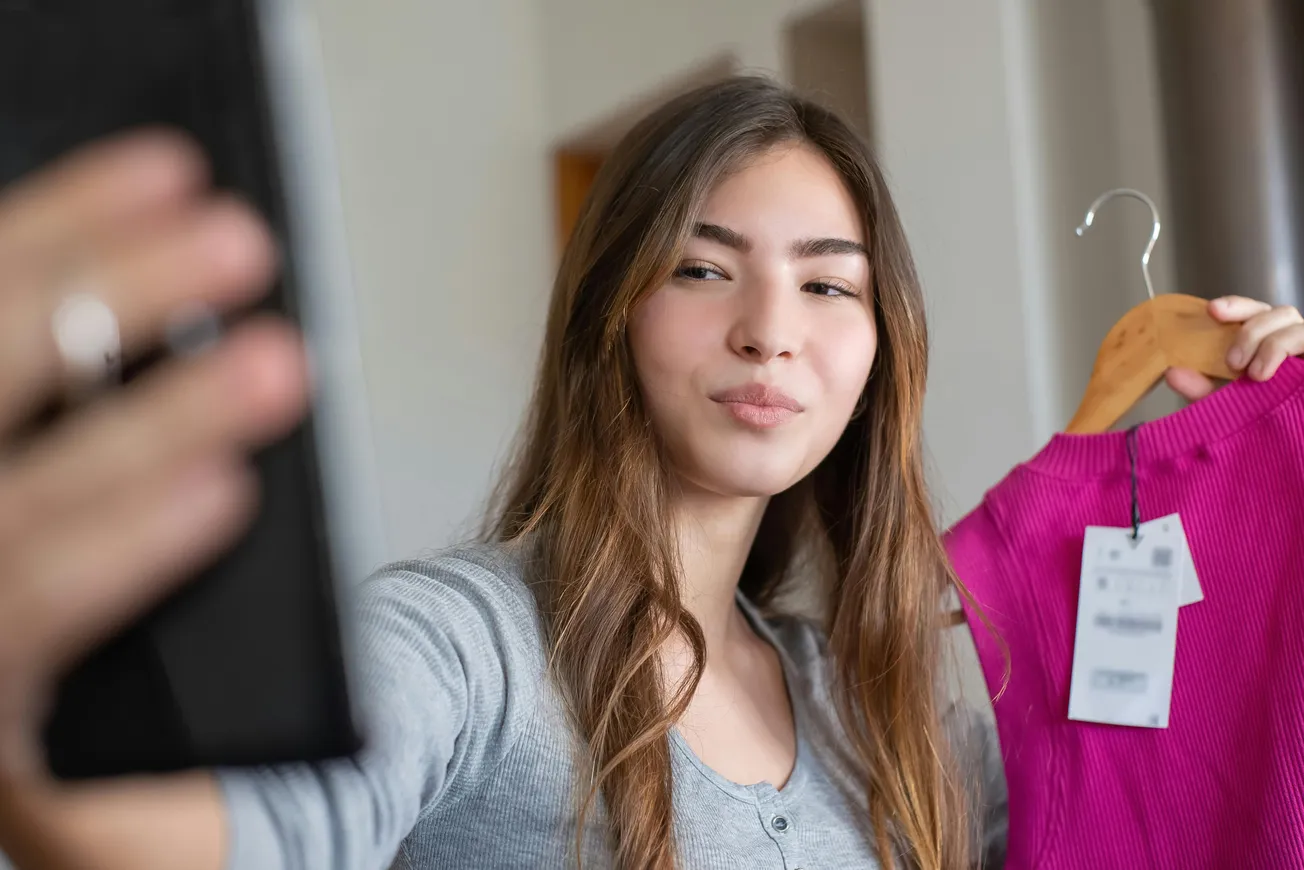
Platforms like TikTok Shop, Instagram Checkout, and YouTube Live Shopping have matured, making it easier for creators to sell directly within content. In 2026, successful campaigns will seamlessly blend product discovery with personality. Native shopping tools, affiliate programs, and personalized product recs will continue to link influencers and commerce.
C2C Marketing Becomes the Norm
Consumer-to-consumer (C2C) marketing is no longer a trend—it’s the default. Everyday users who document their experiences are becoming powerful micro-influencers.
Forward-thinking brands are enabling customers to create shareable content, transforming testimonials into a growth engine.
Authenticity Beats Perfection
Highly produced, overly polished content has lost its shine. Audiences crave unfiltered moments, behind-the-scenes context, and creators who admit when things don’t go as planned.
In 2026, the most successful influencer campaigns feel like conversations—not commercials.
Conclusion: Influencer Marketing in 2026 Is Built on Trust
As technology advances and consumer expectations evolve, influencer marketing in 2026 is grounded in transparency, utility, and human connection.
Brands that partner with creators authentically—and empower their communities to participate—will not only drive sales but build lasting loyalty.
If you're adapting your marketing for 2026, focus on real voices, integrated shopping experiences, and decentralized influence. The future of brand growth lies in your audience’s hands—make it easy for them to share, shop, and show up.