Managing Artificial Light in Nighttime Production
One of the most persistent obstacles for night sky photography and urban videography is the distinctive yellow-orange haze caused by city lighting. This "skyglow" can obscure stars and create unattractive color casts that are difficult to correct in post-production. The Hoya Starscape Light Pollution Cut Filter is designed to address this problem at the lens level, selectively blocking the specific wavelengths of light emitted by common street lamps.
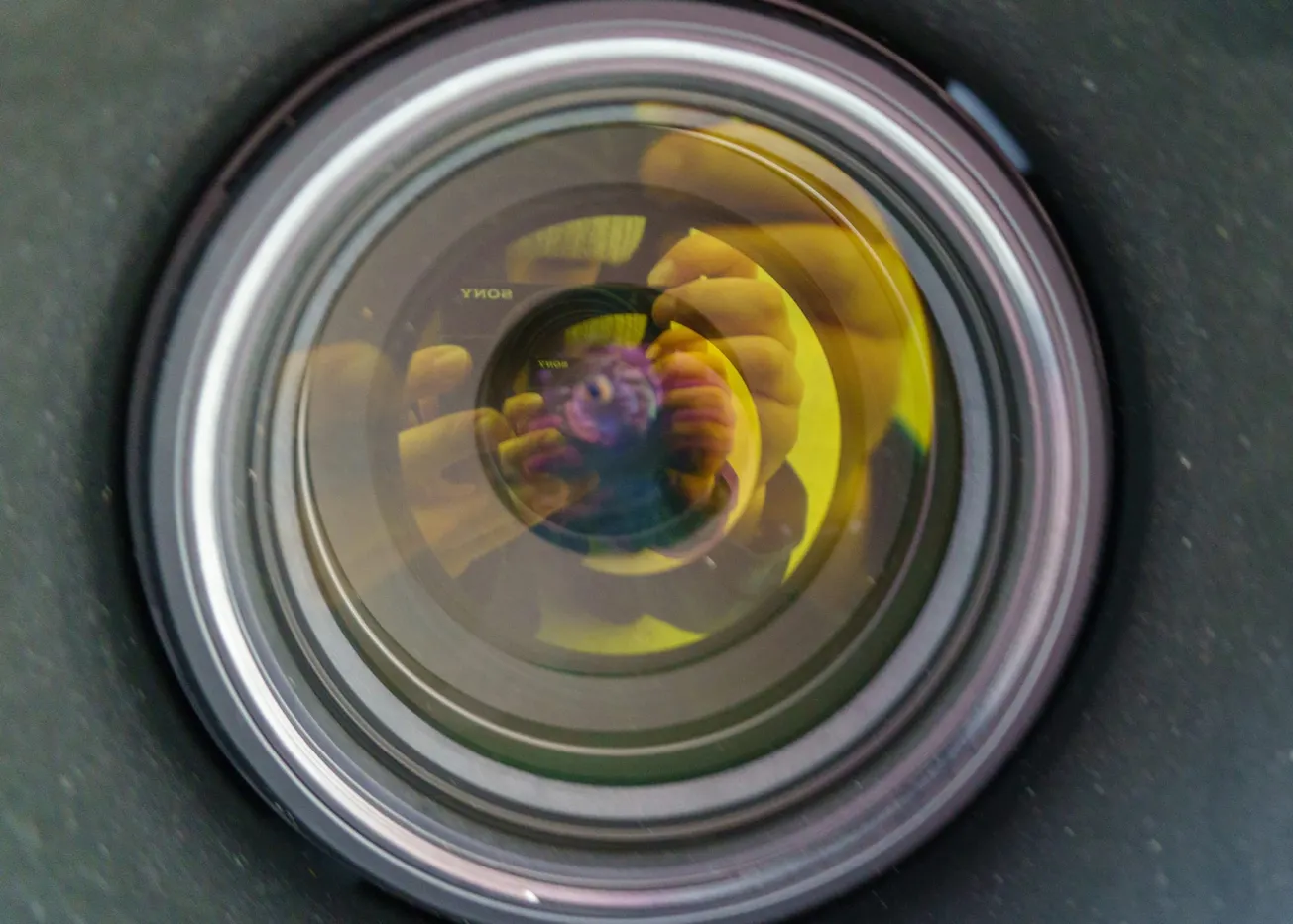
Unlike many competitors that rely on surface coatings to filter light, the Hoya Starscape uses a specialized glass formula containing didymium. This material is particularly effective at absorbing light in the 575nm to 600nm range—the spectrum primarily associated with sodium and mercury vapor lights. For content creators, this results in a cleaner "in-camera" image, reducing the friction of complex color grading during the editing phase.
Technical Performance and Optical Quality
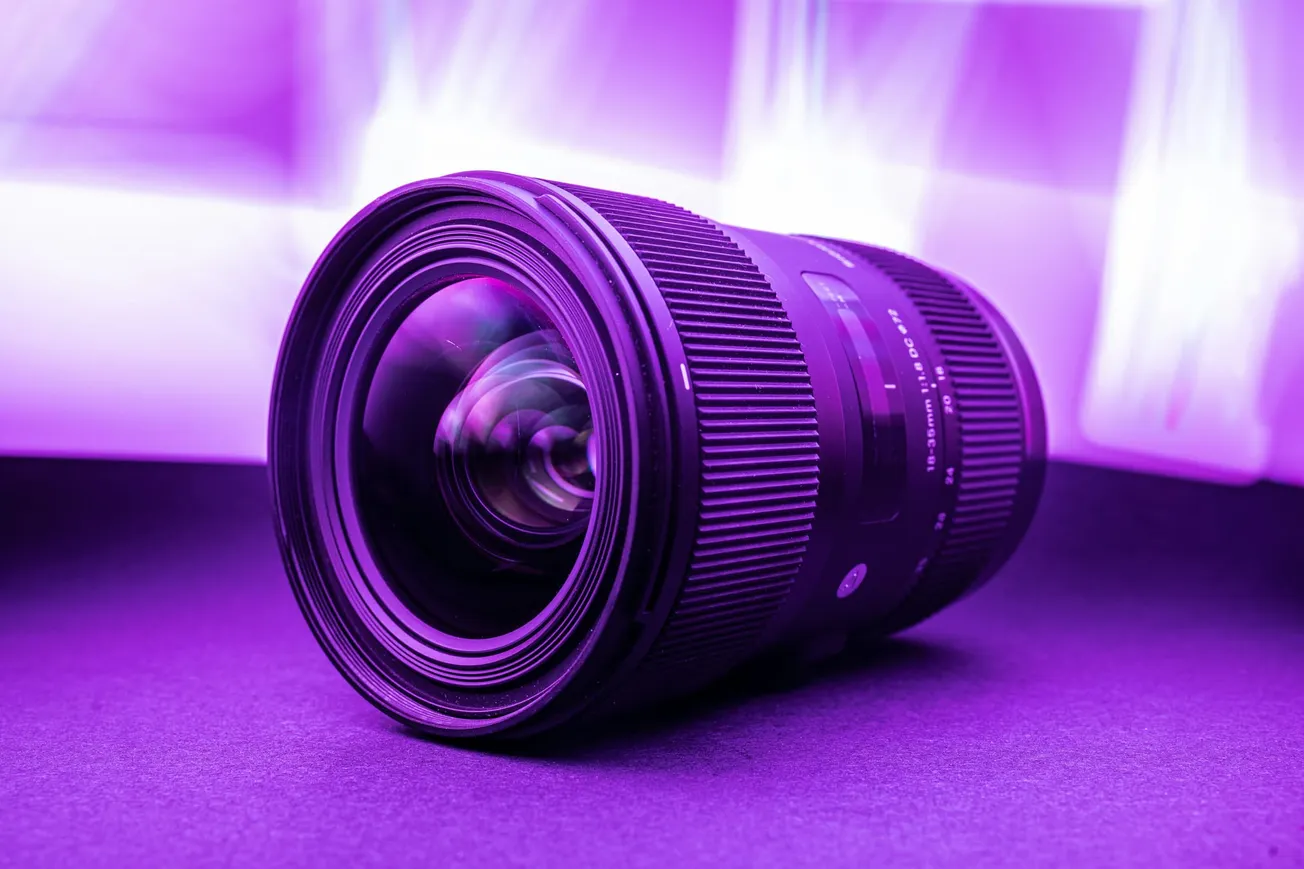
A primary advantage of using a glass-based filter over a coated one is the preservation of color accuracy across the entire frame. Coated filters often produce a noticeable color shift at the edges when used with wide-angle lenses—a common tool in astrophotography. According to technical assessments from Digital Camera World, the Starscape maintains consistent performance even on super-wide glass, making it a reliable choice for expansive nightscapes.
Key specifications for the Hoya Starscape include:
- Exposure Impact: The filter results in a light loss of approximately 0.5 stops, which is minimal for most modern sensors.
- Color Balance: It effectively neutralizes yellow and greenish casts, often leading to a more natural, deep-blue sky.
- Build: The filter features a low-profile aluminum frame designed to prevent vignetting on wide lenses and is available in sizes ranging from 49mm to 82mm.
- Versatility: Beyond astrophotography, the filter can be used during the day to "intensify" red and orange tones, making it useful for autumn landscape photography.
Practical Applications for Creators and Businesses
The Starscape filter is not only a tool for hobbyists but also has significant utility for commercial content teams. In architectural videography and real estate marketing, the filter can help balance interior lighting with the exterior night sky, preventing the windows from appearing overly orange. For educators and documentary filmmakers, it provides a clearer view of celestial events from semi-urban locations where traveling to a "dark sky" site is not feasible.
Furthermore, the filter is highly beneficial for time-lapse production. By cutting light pollution during the capture process, creators can ensure that every frame in a sequence has a consistent color balance. This eliminates the need for frame-by-frame color correction, allowing for a much faster and more scalable production workflow.
Limitations and Considerations
While the Hoya Starscape is highly effective against older sodium and mercury lighting, it is important to note its performance with modern LED streetlights. LEDs produce a much broader spectrum of light, which is more difficult to filter out selectively. In areas where white LED lighting is dominant, the effect of the Starscape may be more subtle.
Additionally, as a "bare-bones" budget-friendly option, the Starscape lacks some of the premium features found in higher-end filters, such as water-repellent or scratch-resistant coatings. Users should handle the filter with care to avoid smudges and surface damage. Despite these trade-offs, its optical performance remains high, providing a professional-grade result at a lower price point than many specialized astro-filters.
Final Assessment
The Hoya Starscape is a focused tool that solves a specific problem with minimal technical overhead. By integrating this filter into a nighttime production kit, creators can achieve professional, balanced results directly in the field. As cityscapes continue to be a popular backdrop for modern storytelling, tools that reduce the "visual noise" of urban environments remain an essential part of the creator's toolkit.