
The demand for high-quality audio content continues to grow as businesses and individual creators use podcasting to build authority and connect with audiences. However, the process of turning a raw audio recording into a multi-channel marketing campaign often involves significant manual labor. Guideline AI has emerged as a specialized tool designed to reduce this friction by automating transcription and content extraction.
By leveraging advanced speech-to-text models, Guideline AI allows users to upload audio files and receive structured text outputs in a fraction of the time required for manual entry. This technology is particularly beneficial for small business teams and educators who need to maintain a consistent content schedule without a dedicated production staff.
Enhancing Accessibility and Search Visibility
Transcription is no longer an optional add-on for professional podcasts. Providing a text-based version of audio content ensures that information is accessible to individuals who are d/Deaf or hard of hearing. Beyond inclusivity, transcripts serve a critical function in search engine optimization. Search engines cannot crawl audio files directly, so text versions provide the necessary data for indexing episodes and improving discoverability.
Tools like Guideline AI provide a foundation for this visibility. When a podcast is transcribed accurately, creators can easily identify key quotes and themes to highlight in show notes or blog posts. This practice helps bridge the gap between audio storytelling and traditional digital marketing, ensuring that valuable insights do not remain trapped within an audio file.
Streamlining the Repurposing Process
One of the primary challenges for creators is the "one and done" nature of many podcast episodes. Guideline AI addresses this by helping users identify the most impactful segments of a recording. Once a transcript is generated, it becomes much simpler to strip out highlights for social media captions, email newsletters, or internal company updates.
For marketing teams, this means a single interview can be transformed into a week's worth of promotional material. Instead of re-listening to an hour-long recording to find a specific mention, users can search the text for keywords and timestamps. This efficiency is a core component of scaling a media presence without increasing the overhead costs associated with traditional editing workflows.
Practical Applications Beyond Podcasting
While podcasting is a primary use case, the utility of Guideline AI extends to various professional environments. Educators can use the tool to transcribe lectures, providing students with searchable study guides. Corporate teams can record internal meetings or training sessions and use the generated text to create formal documentation or action-item lists.
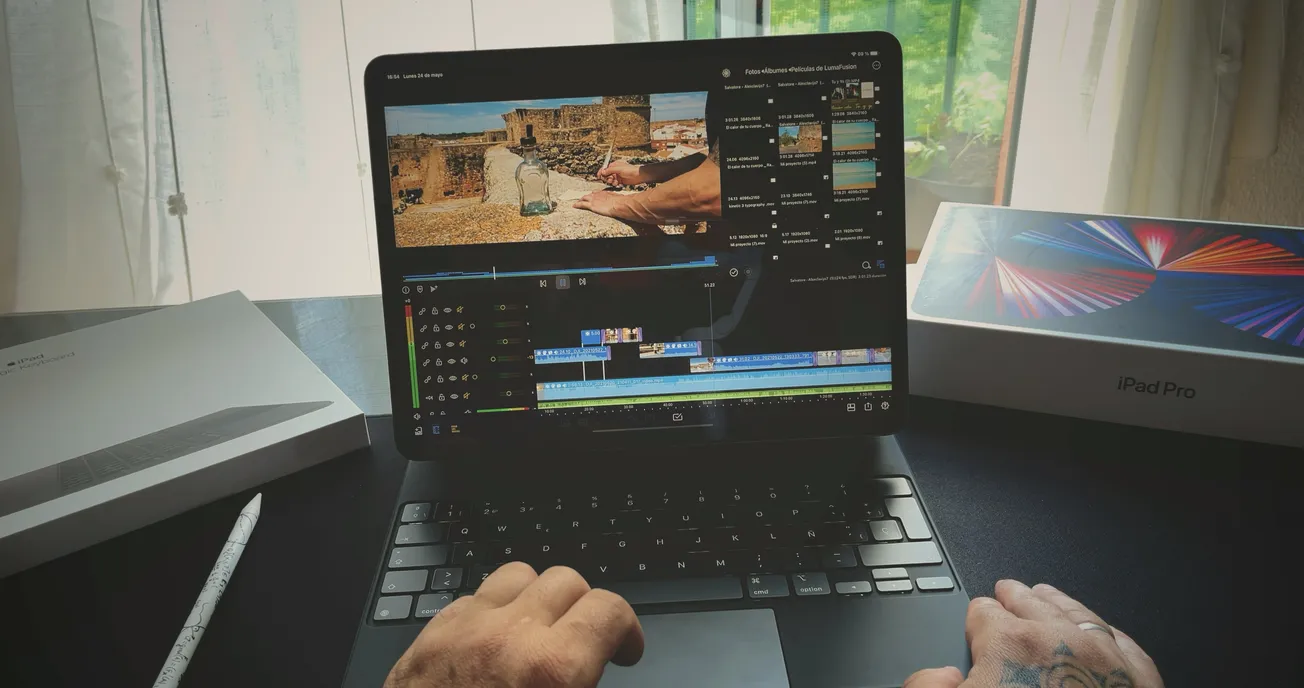
In the realm of video production, having a reliable transcript is the first step in creating accurate closed captions. Even for creators who primarily focus on platforms like YouTube or LinkedIn, the ability to quickly generate text from audio simplifies the post-production phase. By integrating these tools into a standard workflow, organizations can ensure their message reaches the widest possible audience across multiple formats.
Navigating the Future of Media Production
As AI tools continue to evolve, the barrier to entry for professional-grade audio and video production continues to lower. Guideline AI represents a shift toward more intelligent, automated systems that prioritize user experience and output quality. For those looking to improve their production value, staying informed on the latest software updates is essential.
The goal for any creator should be to spend less time on repetitive technical tasks and more time on the creative aspects of storytelling. Implementing automated transcription is a practical step toward achieving that balance, allowing for more effective distribution and long-term content growth.
More about audio software:
 Staff Report
 Staff Report
 Staff Report