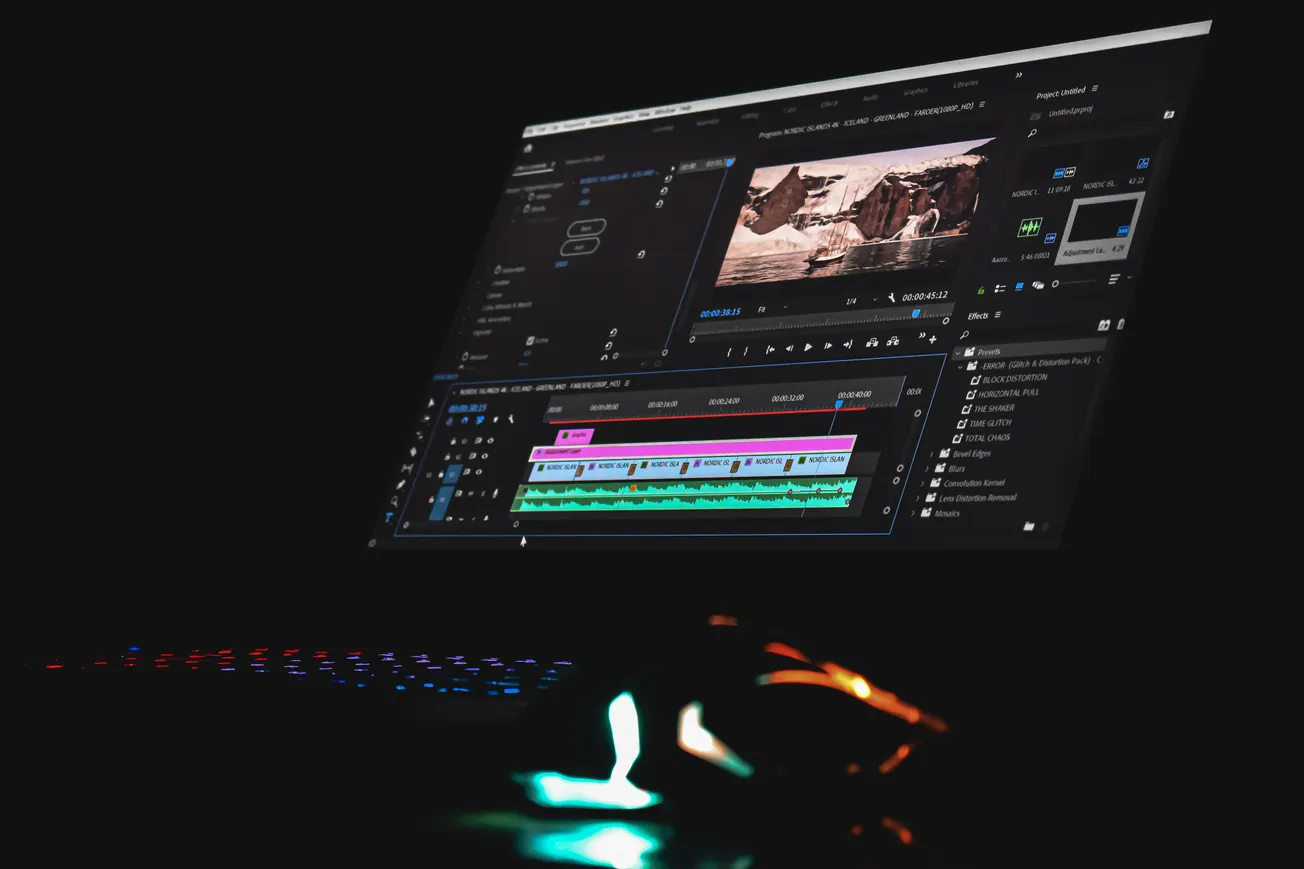
Google Ads recently announced a significant expansion of its creative toolset, integrating advanced artificial intelligence to assist businesses in producing high quality video and image content. These updates aim to lower the barrier to entry for professional grade marketing by automating labor intensive production tasks. For small businesses and content creators, these features represent a shift toward more accessible multimedia storytelling, allowing for the rapid generation of assets that were previously restricted by budget or technical expertise.
The core of this update involves the rollout of generative AI features within the Google Ads platform. Users can now generate entire video sequences from simple text prompts or existing image assets. This functionality is particularly relevant for businesses looking to maintain a presence on platforms like YouTube Shorts without the overhead of a full production crew. By leveraging Google's Gemini models, the platform can suggest scripts, select appropriate background music, and animate static images to create engaging short form video content.
Beyond video creation, Google has enhanced its image editing capabilities within the Merchant Center and Ads interfaces. These tools allow users to expand the background of product photos, remove distracting elements, and improve image resolution through upscaling. For educators and marketers, this means that a single high quality product shot can be repurposed into dozens of different visual contexts, ensuring that creative fatigue does not diminish the effectiveness of digital campaigns.
The integration of these tools into the standard workflow reflects a broader industry trend toward the democratization of media production. As outlined in recent coverage of Google Ads creative updates, the goal is to provide creators with a "creative studio" that exists entirely within their browser. This reduces the friction between having a marketing idea and executing it across various digital channels. Instead of switching between multiple complex software suites, businesses can manage their entire creative lifecycle within their primary advertising platform.
For businesses focused on internal communication or brand storytelling, these AI enhancements offer a way to scale visual messaging. A human resources department could use these tools to turn a standard announcement into a short, dynamic video for employees, while a small educator could produce visual aids for online courses with minimal manual editing. The focus is on utility and speed, ensuring that the technology serves the message rather than complicating the process.
To get the most out of these new features, creators should focus on providing clear, descriptive prompts and high quality source material. While the AI can enhance and animate content, the underlying brand identity and messaging must remain human-centric. The platform now includes tools for brand guidelines, ensuring that any AI-generated content remains consistent with a company's established colors, fonts, and tone of voice.
As video continues to dominate digital consumption, the ability to produce content quickly and affordably is a competitive necessity. These updates from Google Ads provide a clear path for businesses to transition from static marketing to a video-first approach. By eliminating the technical hurdles of video editing and asset creation, the platform allows creators to focus on what matters most: telling a compelling story that resonates with their target audience.
For those looking to further optimize their production workflow, exploring complementary resources on Video Software and Editing can provide additional insights into balancing automated tools with manual creative control. Understanding the intersection of AI and traditional production is essential for any modern content team aiming to stay relevant in a fast-paced media environment.