

The digital search landscape is undergoing a notable recalibration as Gen Z users adjust their reliance on social media platforms for information discovery. While the narrative of TikTok replacing Google has dominated industry discussions for several years, new data indicates that the preference for the video-centric app is cooling. According to a recent report from Search Engine Journal, the number of Gen Z respondents who say they are more likely to rely on TikTok than Google fell from 8 percent in 2024 to just 4 percent by early 2026.
This fifty percent drop in preference does not suggest that young audiences are abandoning video search entirely, but rather that they are settling into a multi-platform discovery pattern. While 65 percent of Gen Z still utilize TikTok as a search engine, they appear to be returning to Google for queries that require deeper authority, local accuracy, or comprehensive results. This shift is critical for businesses and creators who have heavily pivoted their content strategies toward social-first search at the expense of traditional web visibility.
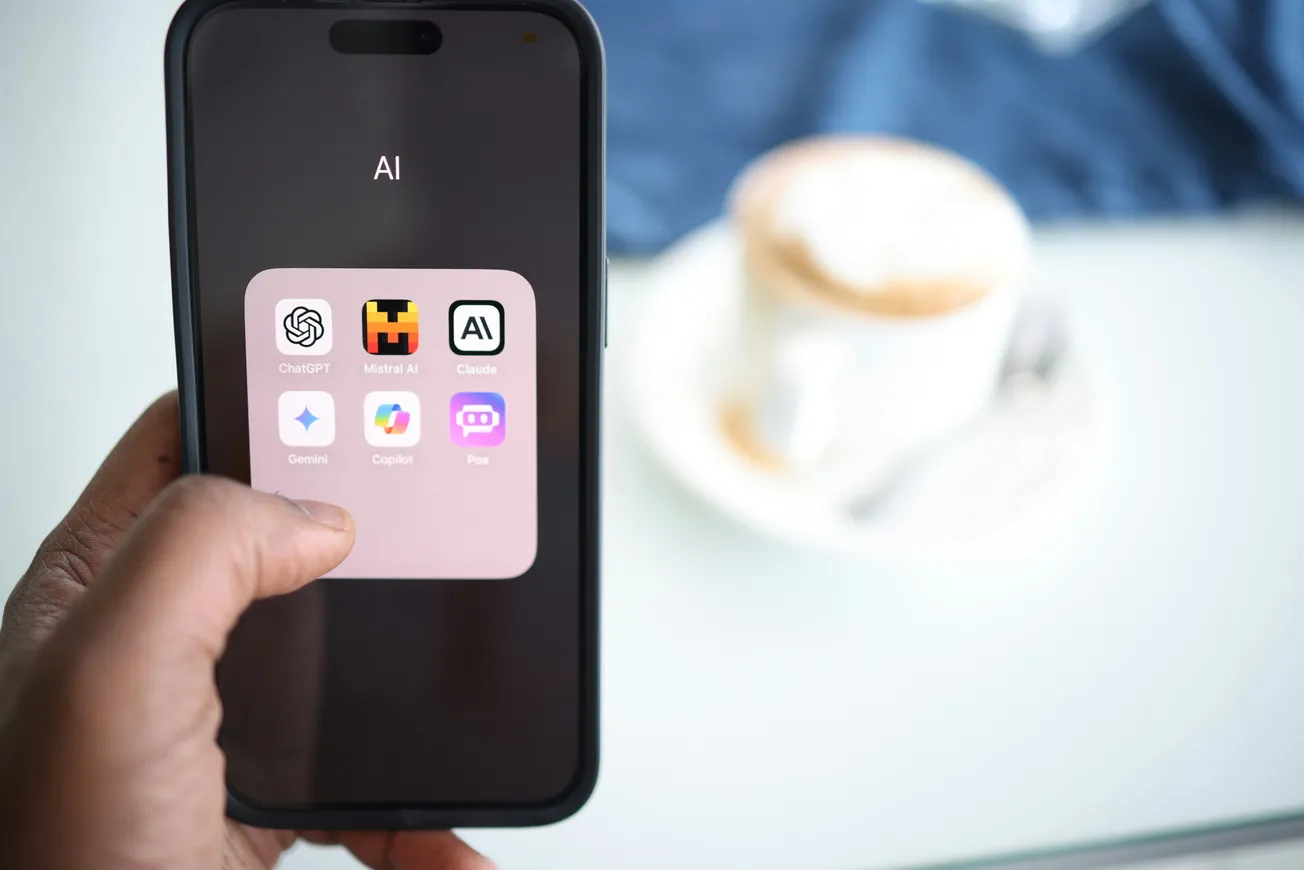
The decline in TikTok preference is also influenced by the rise of other AI-driven alternatives. The same data highlights that 14 percent of consumers now say they are more likely to rely on ChatGPT than Google for search, which is double the number of users who favor TikTok. This suggests that the competition for Google is no longer just coming from vertical video, but from generative engines that provide structured, conversational answers across all age groups.
For podcast and video creators, these findings reinforce the importance of a balanced distribution strategy. Relying solely on a single platform for discovery creates a significant risk as user habits fluctuate. Maintaining a cohesive presence across search engines and social feeds is the most effective way to build brand authority in 2026.
Small businesses and marketing teams must also note that the difficulty of converting TikTok engagement into tangible sales remains a primary challenge. While TikTok leads in raw engagement rates, Google remains the dominant starting point for nearly half of young users when they initiate a search with high purchase intent. This makes high-quality metadata, accurate transcripts, and traditional SEO still vital for reaching audiences at the moment they are ready to take action.
The trend toward search as background infrastructure further complicates this landscape. As search becomes integrated into the fabric of the internet, creators must ensure their content is discoverable by both human users on social apps and AI agents crawling the web. This requires a "hub and spoke" content model where one professional video or podcast episode is repurposed into various formats to satisfy different search intents.
Ultimately, the data shows that while TikTok is a powerful tool for visual discovery and influencer-led recommendations, it has not unseated Google as the primary search utility. Creators who focus on reducing friction in their storytelling by providing clear, accessible, and well-indexed content will be best positioned to thrive regardless of which platform the audience chooses first.
Staying adaptable to these shifting generational preferences ensures that your message reaches the right person, on the right platform, at the right time.
More about TikTok:
 Staff Report
 Staff Report
 Staff Report