
Creative work often stalls not from lack of talent, but from chasing perfection.
That’s one of the key insights from Raymond House, a film scorer and musician who built his career balancing ambition with real-life rhythms—like family, mentorship, and showing up daily. His approach to creativity offers a clear roadmap for creators stuck in analysis paralysis.
House emphasizes finishing as the real win—not fame or fanfare. That mindset shift, from producing for applause to producing with intent, transforms how creators approach projects.
Instead of obsessing over whether something is “good,” House encourages asking: Does it resonate? Resonance, not perfection, becomes the guiding compass.
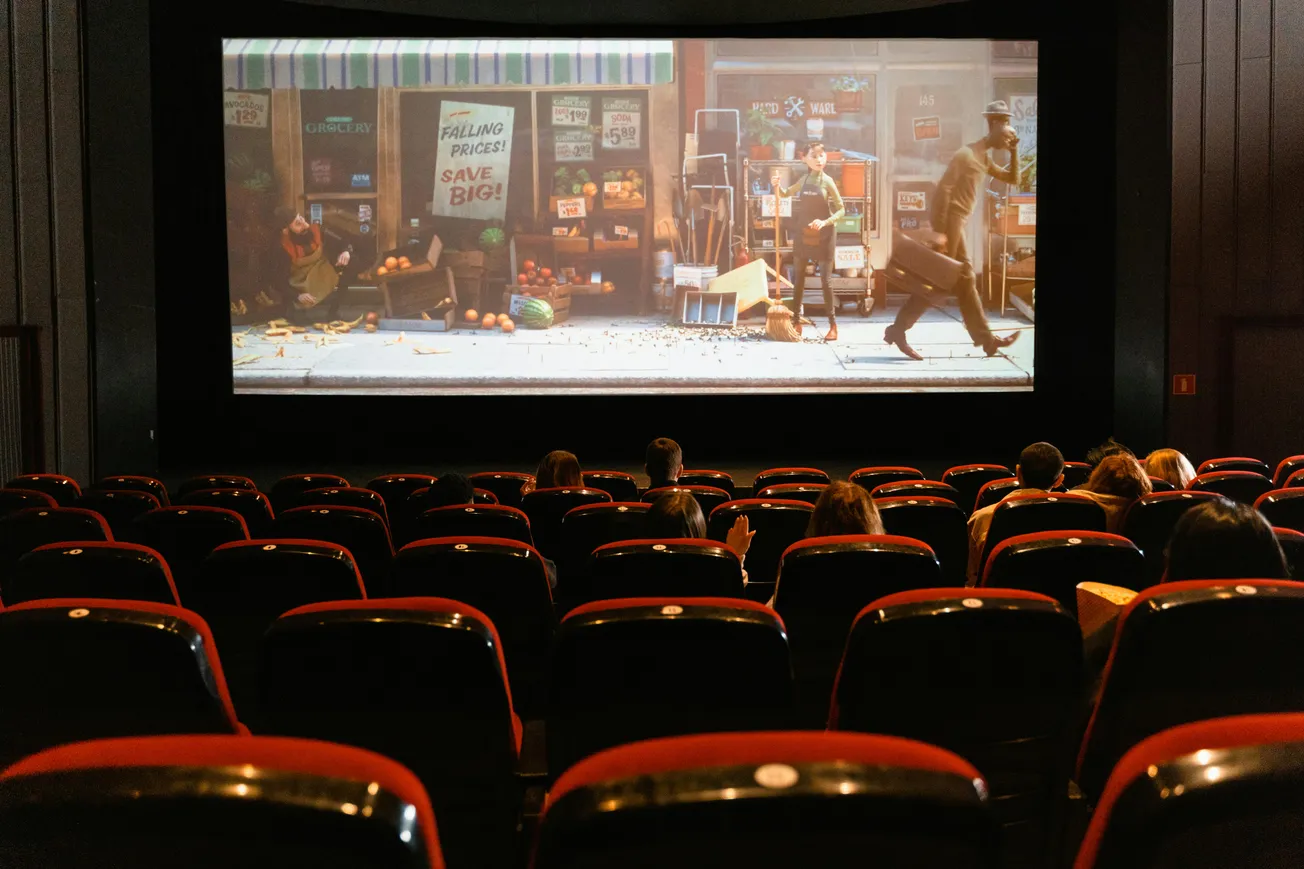
This practical philosophy mirrors his work in film scoring. Unlike producing an album, scoring a film requires crafting emotion inside constraints—timing, scene dynamics, silence. It’s not about showcasing every skill at once, but serving the story with clarity. That discipline translates directly to creators across mediums. When you timebox a task or define clear, measurable goals, you sidestep the infinite loop of revision and self-doubt.
Another takeaway: creative voice isn’t always discovered—it’s layered. House built his sound from gospel roots, cinematic textures, and real-world audio. He’s proof that originality often emerges from combining what you already know in new ways, rather than waiting for inspiration to strike.
For filmmakers, producers, and writers alike, House’s toolkit is both grounded and energizing: time boxing, consistent shipping, community feedback, and self-defined success. It's not about going viral—it’s about finishing what you start.