
For years, creators and event producers have been told to design for the algorithm. Optimize the hook. Chase engagement. Follow trends. Maximize reach.
But a growing number of creatives are questioning whether that approach actually builds connection, community, or longevity.
An emerging philosophy argues that people, not platforms, are the real algorithm — and that the most successful experiences begin with a feeling, not a metric.
This idea reframes how content, events, and brands are built. Instead of asking what will perform best online, the starting point becomes a more human question: how should people feel when they leave?
Feeling as the Foundation of Experience Design
Designing from feeling does not mean ignoring structure or outcomes. It means prioritizing emotional clarity before tactics. When the desired feeling is defined first — joy, ease, belonging, elegance, curiosity — every creative and operational decision gains direction.
In physical events, this might influence lighting, pacing, music selection, dress code, and even how guests are welcomed at the door. In content creation, it shapes tone, visual language, word choice, and format. The result is cohesion. People may not remember every detail, but they remember how the experience made them feel.
This approach stands in contrast to trend-driven production, where creators retrofit meaning onto formats designed primarily to perform well in feeds.
Reverse-Engineering Operations Without Killing the Soul
One of the biggest misconceptions about emotion-led design is that it lacks discipline. In reality, the most resonant experiences are often the most intentionally engineered. The difference is that operations are built in service of the feeling, not at its expense.
When creators reverse-engineer logistics from emotion, constraints become tools instead of obstacles. Budgets, timelines, staffing, and marketing choices are filtered through a single question: does this protect the core experience?
This mindset encourages subtraction. Fewer words. Fewer visuals. Fewer tactics. What remains is clearer, stronger, and easier for audiences to engage with. It also reduces creative burnout by eliminating unnecessary noise.
Why People, Not Platforms, Drive Growth
Algorithms reward signals of human response: attention, retention, sharing, and return behavior. Experiences that genuinely connect tend to generate these signals naturally, without manipulation. When people feel seen or moved, they invite others in.
This is why joy-based communities often outperform outrage-driven ones over time. Anger travels fast but decays quickly. Joy compounds. It builds trust, repeat participation, and word-of-mouth momentum that outlasts any single post or campaign.
In both events and digital media, the most durable growth comes from audiences who want to be there, not those who were baited into clicking.
Designing Spaces for Connection, Not Performance
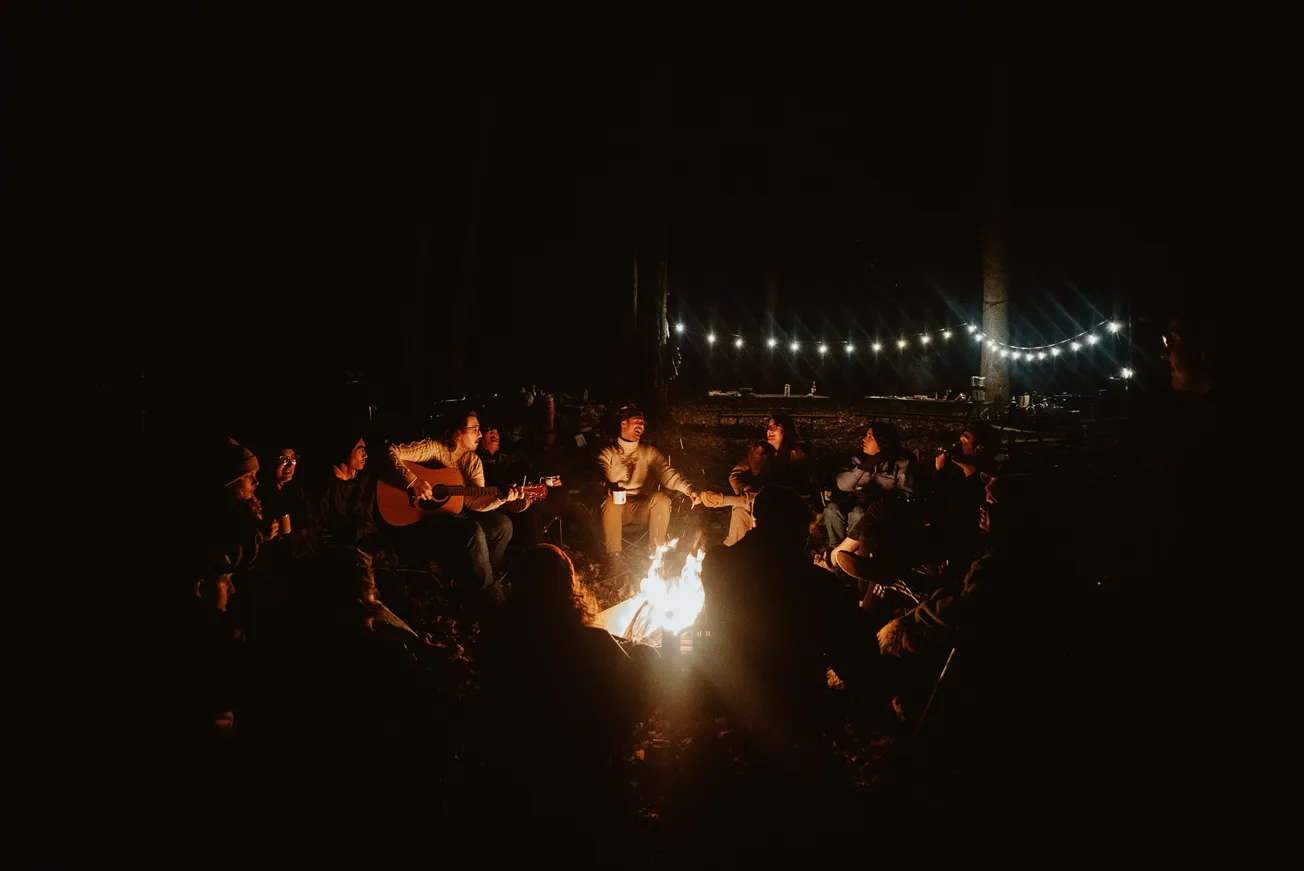
Modern adult life offers few spaces designed purely for connection. Networking events feel transactional. Online platforms reward performative identity. Many people crave environments where they can simply exist, enjoy themselves, and interact without optimizing their presence.
Experiences built around feeling intentionally reduce pressure. Clear themes, defined atmospheres, and shared expectations help people relax into the moment. When guests know how to “play along,” connection becomes easier and more authentic.
This principle applies equally to podcasts, videos, newsletters, and live events. When creators remove the pressure to perform for metrics, audiences feel safer engaging honestly.
Creativity, Structure, and Sustainability
Emotion-led creation does not excuse ignoring fundamentals. Financial literacy, legal structure, and operational discipline are what allow meaningful projects to survive. Passion without structure burns out. Structure without passion feels hollow.
The balance is intentional creativity supported by responsible systems. This includes understanding budgets, maintaining clean books, paying taxes, and setting realistic growth expectations. These practices protect the freedom to keep creating without compromising integrity.
The Future Belongs to Feeling-Driven Creators
As platforms saturate and attention fragments, differentiation increasingly comes from emotional clarity. Audiences gravitate toward creators and experiences that feel human, intentional, and grounded in purpose.
Designing for feeling is not nostalgic or anti-technology. It is adaptive. It recognizes that tools change, algorithms evolve, and formats come and go — but human emotion remains constant.
For creators, producers, and brands feeling stuck in hustle mode, the path forward may not be a new strategy or platform. It may simply be returning to a foundational question: what should this make people feel?
When that answer is clear, everything else becomes easier to build.