
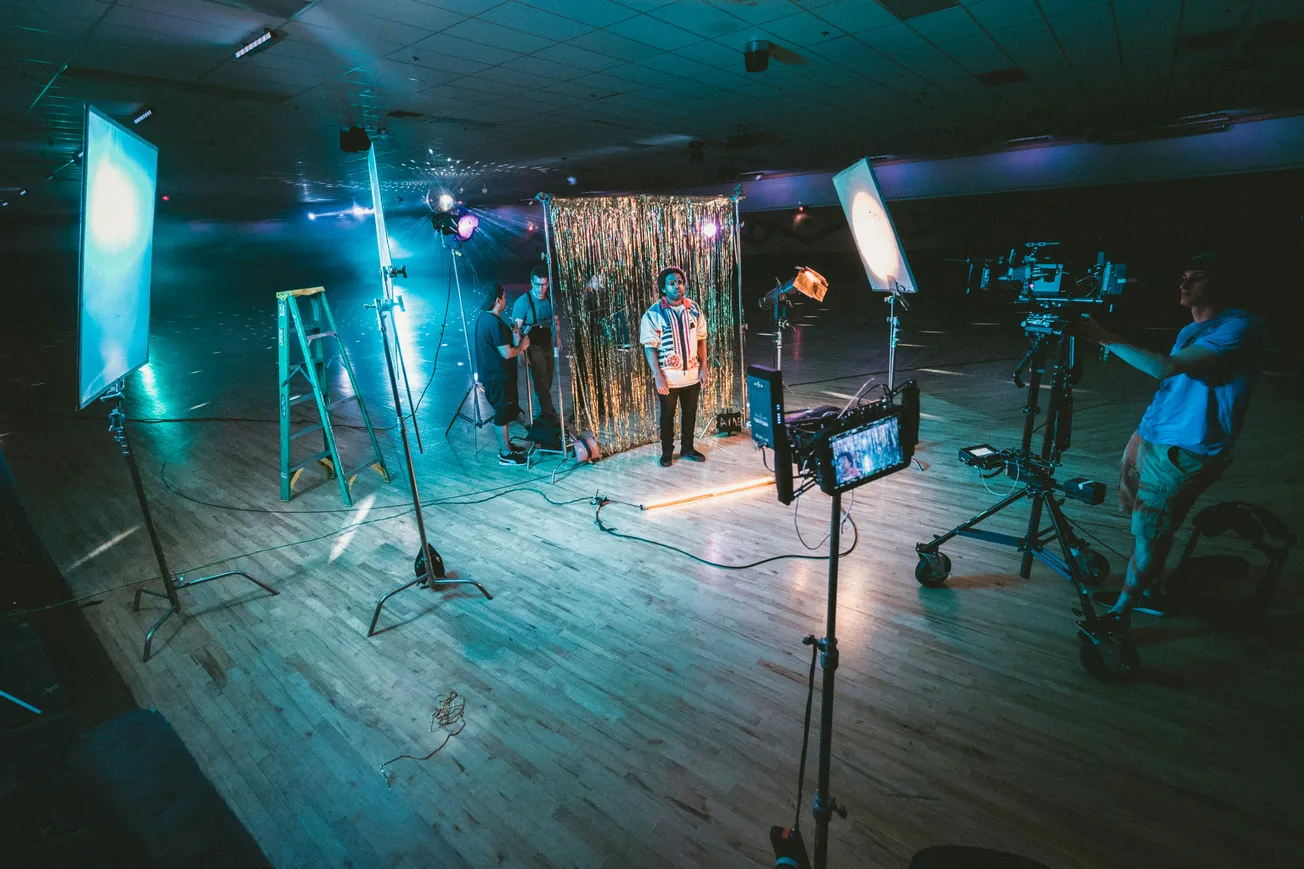
Elevating Production Value Through Lighting
In the competitive landscape of digital media, the quality of a video's lighting often serves as the primary differentiator between amateur content and professional brand storytelling. While high-resolution cameras are important, the strategic manipulation of light is what creates depth, mood, and focus. Understanding the core principles of cinematic lighting allows businesses and independent creators to produce polished, high-impact visuals that resonate with their audience.
According to industry standards highlighted by No Film School, lighting is not merely about visibility; it is about directing the viewer's eye and establishing the emotional tone of a scene. Whether producing a corporate interview, an educational tutorial, or a video podcast, applying professional lighting techniques can significantly reduce the need for extensive color grading in the editing phase.
The Foundation: Three-Point Lighting
The most versatile and widely used technique in video production is three-point lighting. This setup provides total control over how the subject is perceived by the camera, ensuring they are separated from the background and rendered with natural dimensions.
- Key Light: This is the primary and strongest light source. It is typically placed at a 45-degree angle to the subject to define their shape and features.
- Fill Light: Positioned on the opposite side of the key light, the fill light is lower in intensity. Its purpose is to soften the shadows created by the key light, controlling the overall contrast of the face.
- Back Light (Rim Light): This light is placed behind the subject, aiming at the back of the head or shoulders. It creates a subtle "halo" effect that separates the subject from the background, adding essential depth to the frame.
Advanced Techniques for Mood and Texture
Beyond the standard three-point setup, creators can utilize specific techniques to achieve different stylistic outcomes. The choice of lighting often depends on the specific message or brand identity being conveyed.
- High-Key Lighting: This style uses a high ratio of light to shadow, resulting in a bright, airy, and optimistic look. It is frequently used in commercials, beauty content, and upbeat interviews to create a clean and welcoming atmosphere.
- Low-Key Lighting: By emphasizing shadows and high contrast, low-key lighting creates a sense of mystery, drama, or intimacy. This is achieved by using a strong key light with little to no fill light.
- Motivated Lighting: This technique involves mimicking a natural light source within the scene, such as a window or a desk lamp. It makes the lighting feel organic and "real" to the viewer, which is highly effective for narrative storytelling and authentic brand documentaries.
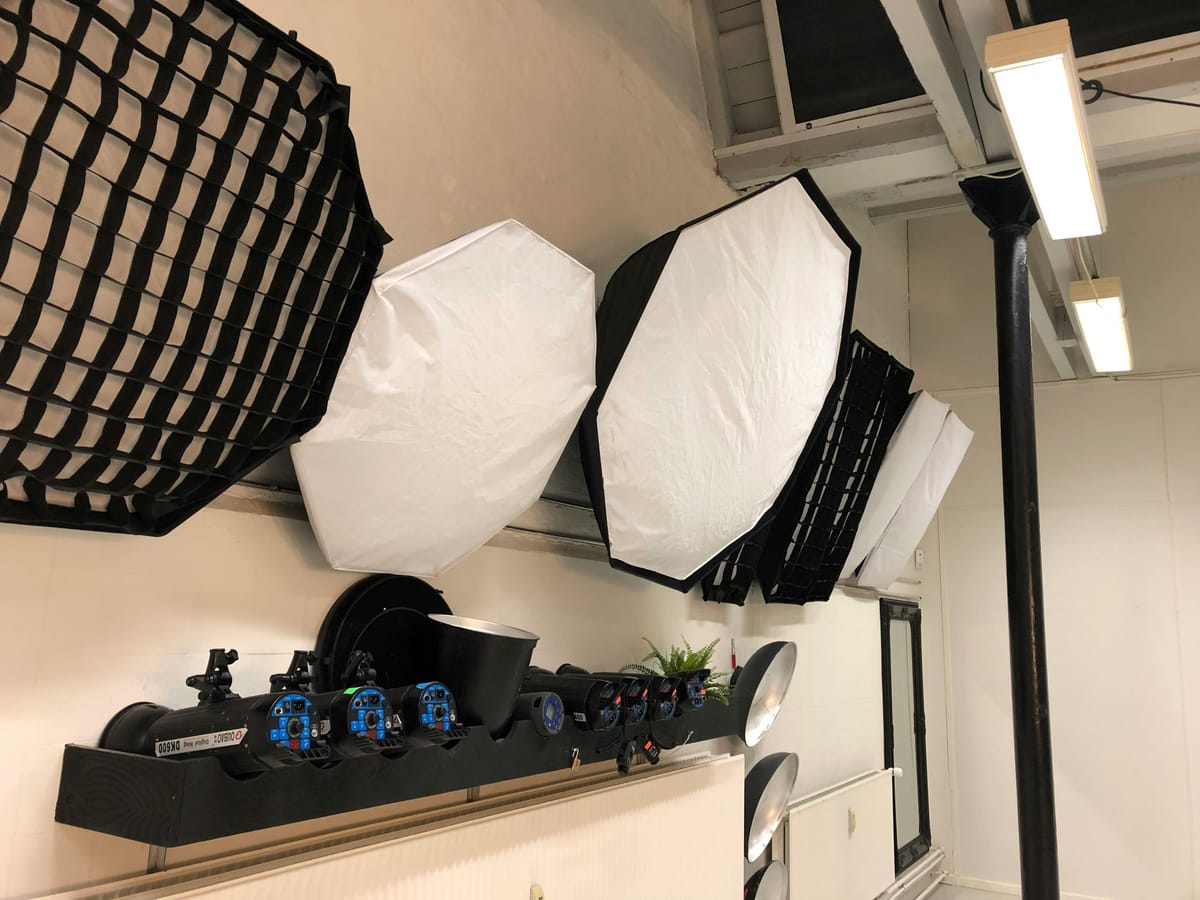
- Bounce Lighting: Instead of pointing a light directly at the subject, the light is bounced off a white surface or reflector. This creates a soft, diffused glow that is often more flattering for skin tones than direct illumination.
Practical Application for Small Businesses
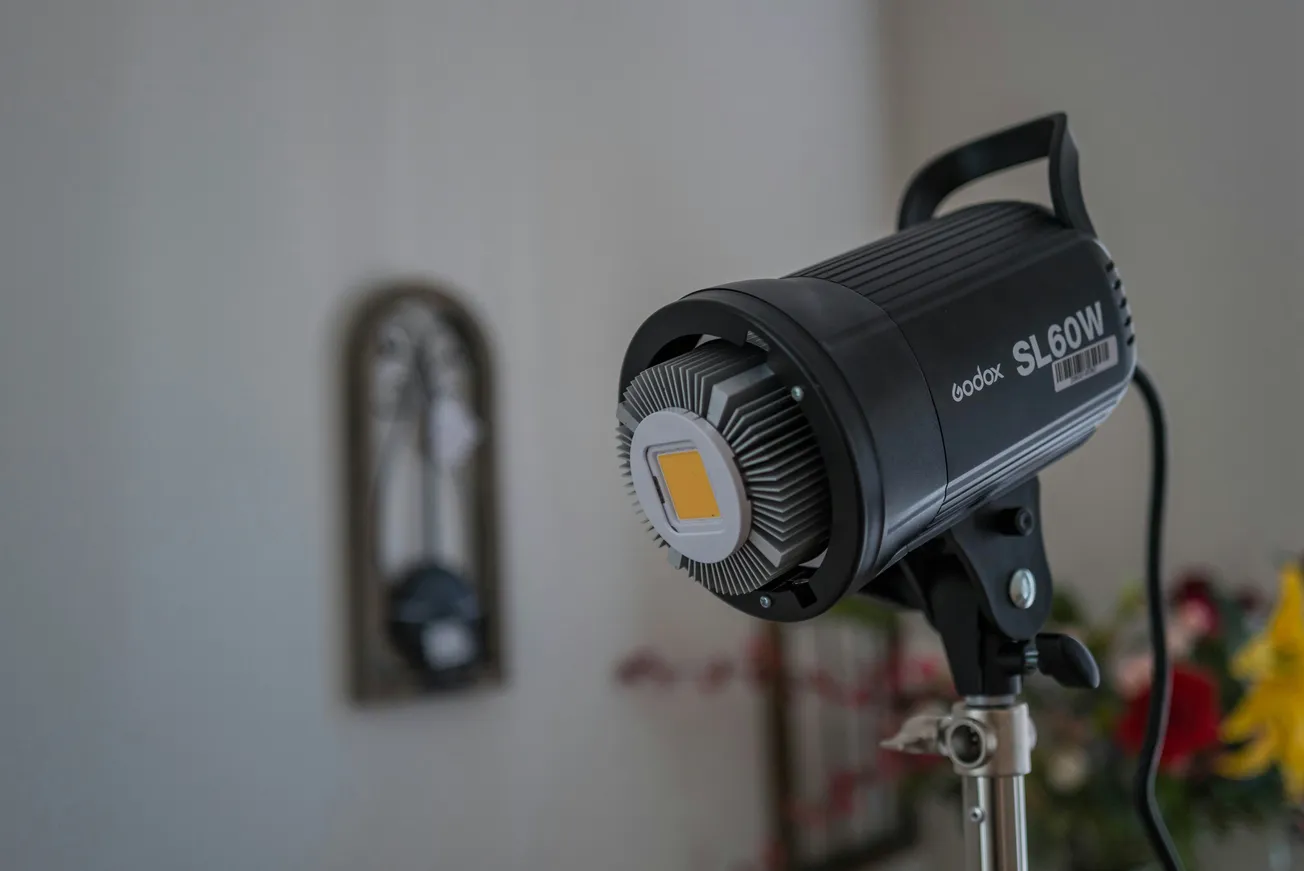
For businesses scaling their internal or external video communications, investing in a basic LED lighting kit is often more impactful than upgrading a camera body. Modern LED panels are portable, color-accurate, and generate very little heat, making them ideal for small office studios.
Implementing these lighting techniques ensures that video content remains consistent across different platforms. When a subject is well-lit, the camera's sensor can operate at a lower ISO, which reduces digital noise and results in a much sharper image. This technical clarity builds authority and trust with the viewer, regardless of the complexity of the equipment used.
By mastering these fundamentals, creators can move away from "accidental" lighting and begin making intentional choices that enhance their storytelling. Whether the goal is to educate a team or market a product, the quality of the light is often the secret to a professional finish.
More about lighting:
 Staff Report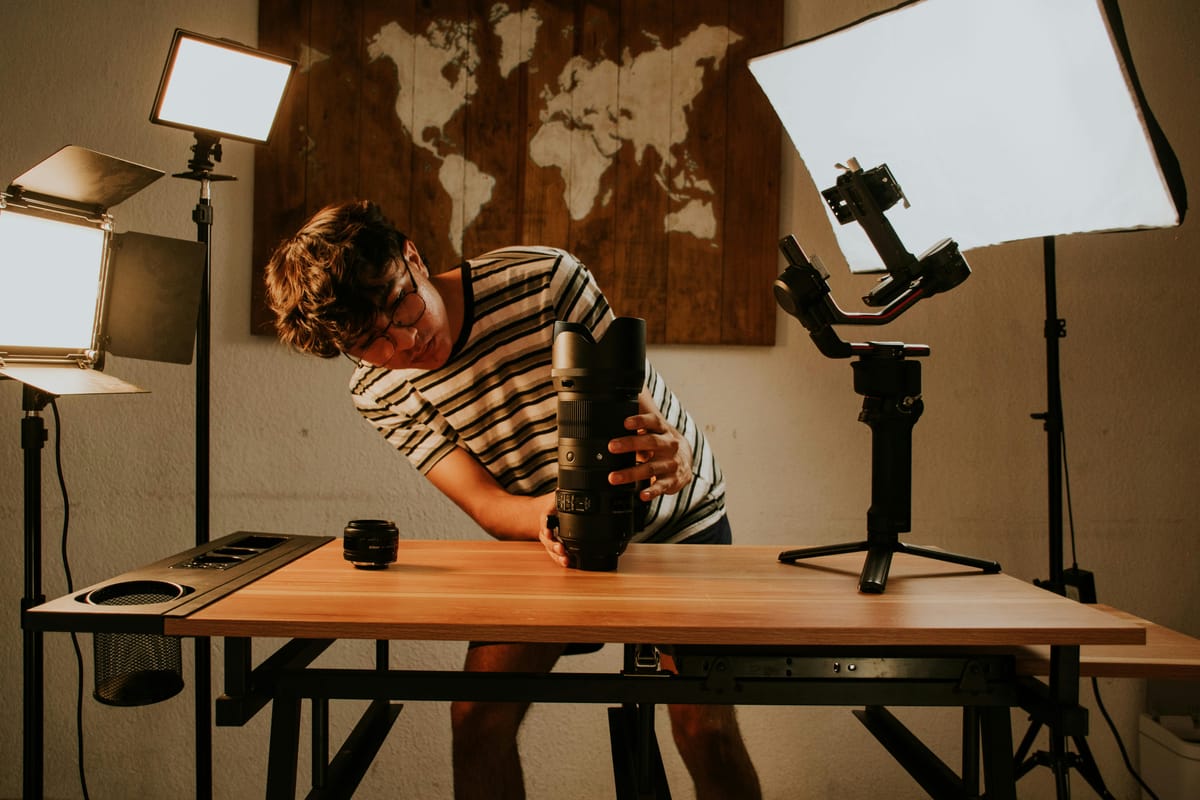
 Staff Report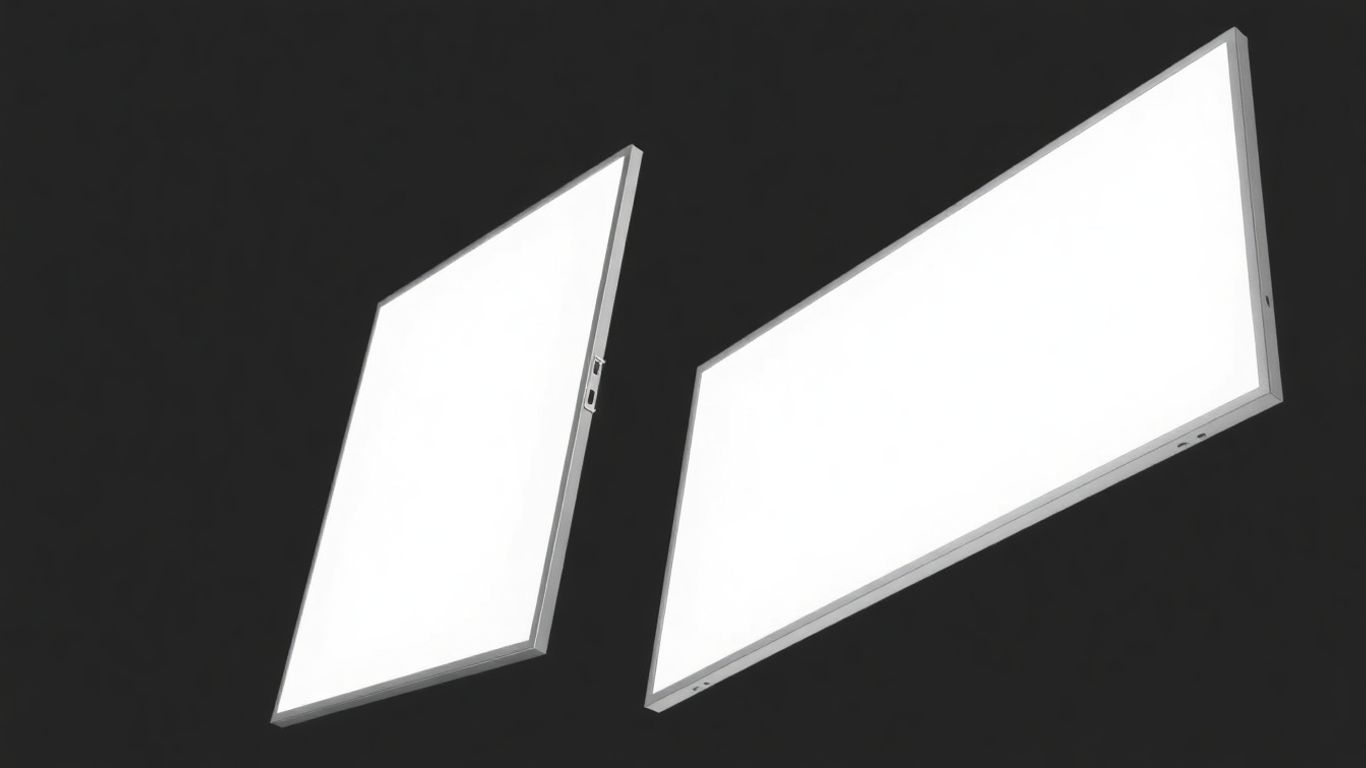
 Staff Report