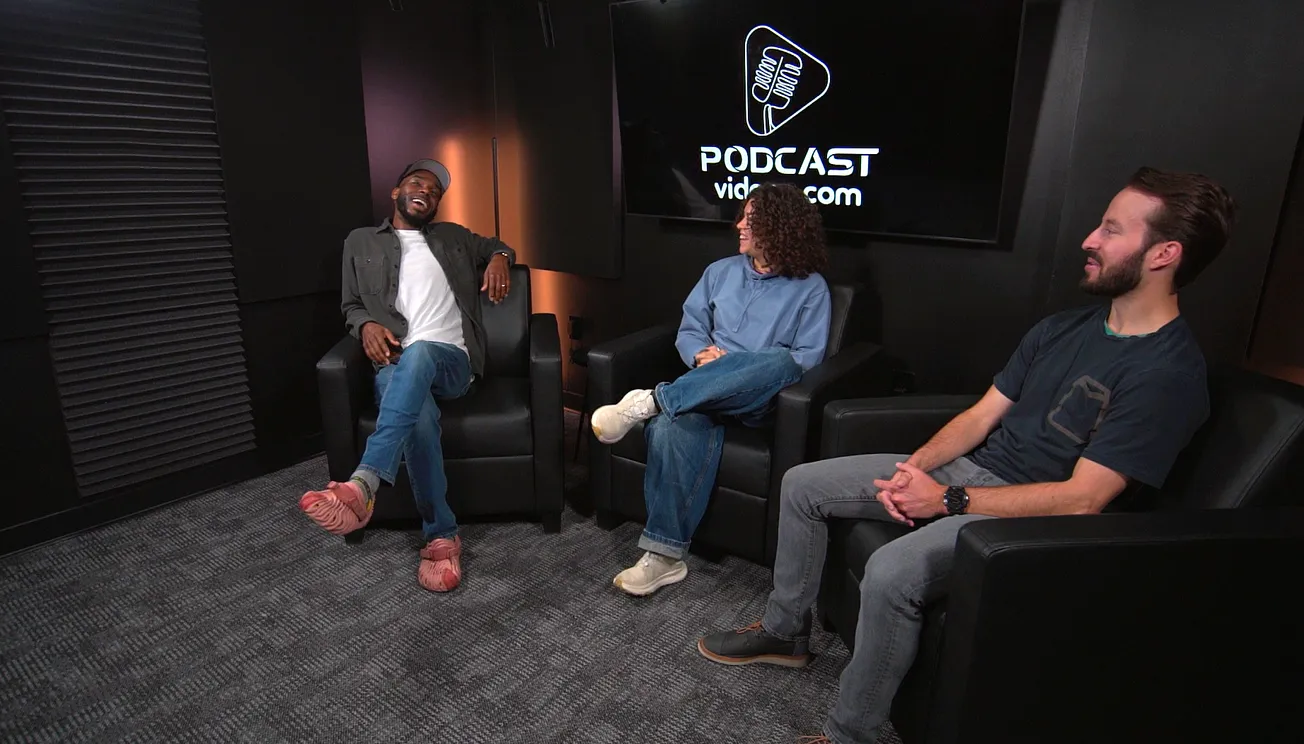


Steven Bartlett’s Diary of a CEO, one of the most popular podcasts globally, has quietly implemented consistent on‑screen fact‑checking for episodes discussing scientific and medical topics. The move, first introduced in June and confirmed on Bartlett’s official site, places annotated notes alongside episode transcripts — an effort the show says improves editorial accuracy.
According to the announcement, a medical PhD graduate now reviews health‑focused episodes and adds real‑time clarifications and context that appear on screen in the video version of the show.
Each episode also links to an “Independent Research & Further Reading” document with peer‑reviewed references and evidence for claims made during the conversation. A recent example includes a 66‑page PDF of scientific sources and discussion around sleep research.
This editorial shift may be a response to criticism that the podcast has occasionally featured misleading or controversial health claims without sufficient scrutiny. A BBC World Service investigation last year found episodes with an average of 14 harmful health assertions, such as unsupported links between certain diets and disease outcomes, leaving Bartlett open to criticism for not challenging guests more forcefully.
What does the new fact‑checking look like in practice?
On YouTube, clips from episodes now sometimes include “DOAC Community Notes” on screen that clarify or expand on statements as they happen. The independent research links listed under some videos also point to extensive reference documents that break down the science behind particular claims.
However, there’s a notable distinction: these fact‑checked annotations are visible only in the video version. In the audio releases — such as the Apple Podcasts episode featuring sleep expert Matt Walker — listeners do not see on‑screen notes, nor do the show notes include links to the research documents.
The experiment is being watched closely, as few major podcasts have adopted systematic fact‑checking practices, especially for health and science topics. Whether this becomes an industry standard remains to be seen, but Bartlett’s approach signals growing awareness of the responsibility creators hold when discussing complex, real‑world issues.