
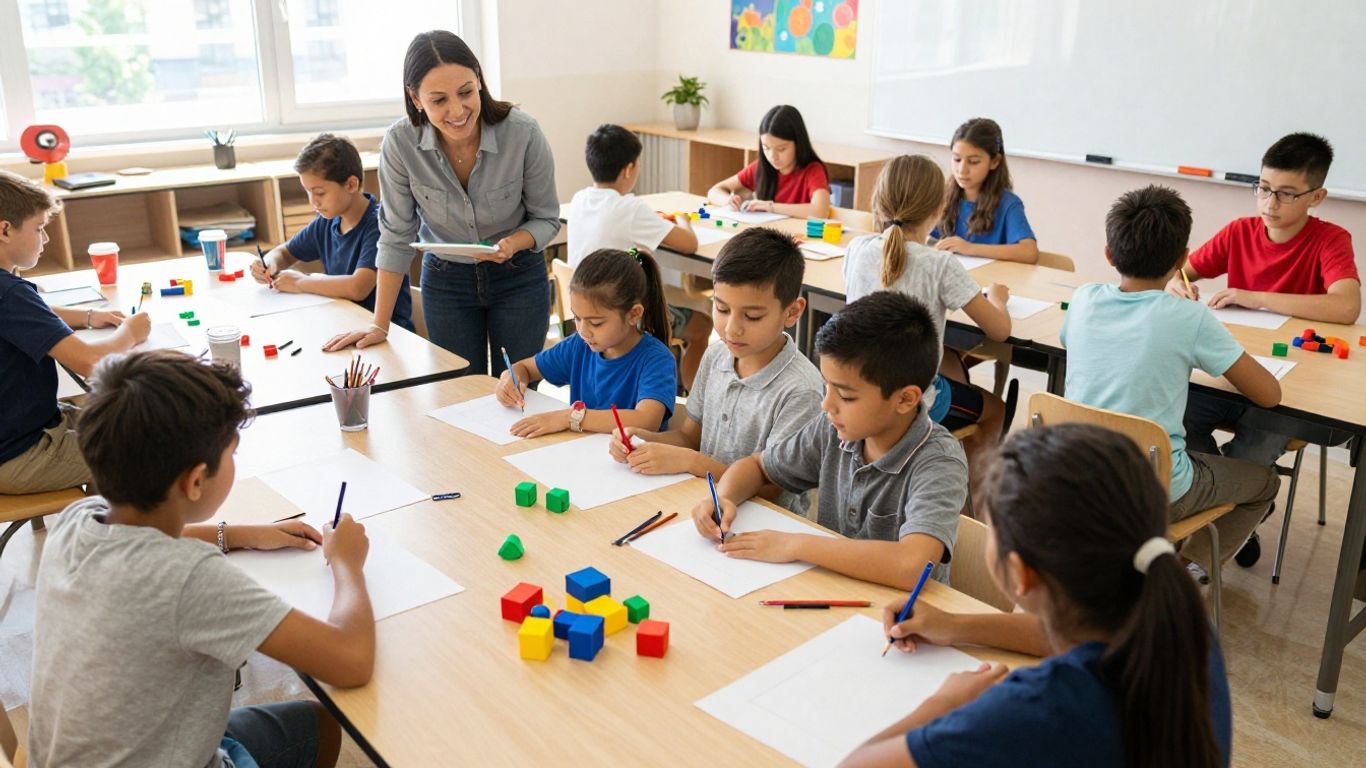
A recent guide offers educators a practical framework for fostering creative learning, emphasizing active knowledge construction through meaningful projects. It moves beyond traditional passive learning, advocating for approaches that empower students to explore, make choices, and express understanding, ultimately boosting engagement, retention, and confidence.
Key Takeaways
- Creative learning involves students building knowledge by creating something meaningful, not just absorbing information.
- Project-based learning (PBL) naturally supports creative learning by providing structure for exploration and expression.
- Key principles include student ownership, real-world relevance, iteration with feedback, and reflection/presentation.
- Digital tools can enhance creative learning when they support thinking, creation, and reflection.
- Assessment should focus on process, thinking, and growth, not just the final product.
What is Creative Learning?
Creative learning is an educational approach where students actively construct knowledge by creating something new and meaningful, rather than passively receiving information. It involves exploring real problems, making choices, and expressing understanding through projects.
This contrasts with traditional methods like essays or worksheets, which can lead to students completing tasks on autopilot and a decline in curiosity.
Research Supports Creative Learning
Environments designed to foster creativity, choice, exploration, and feedback have shown benefits beyond student enjoyment. Research indicates links to improved pupil attainment, confidence, resilience, motivation, problem-solving skills, and even school attendance. Furthermore, studies suggest that creative thinking is positively correlated with academic performance in core subjects like math and reading.
Project-Based Learning as a Catalyst
Project-based learning (PBL) is a teaching methodology where students engage in complex, real-world problems over time. Instead of progressing lesson by lesson towards a test, students investigate, design, revise, and present a project. PBL supports creative learning by:
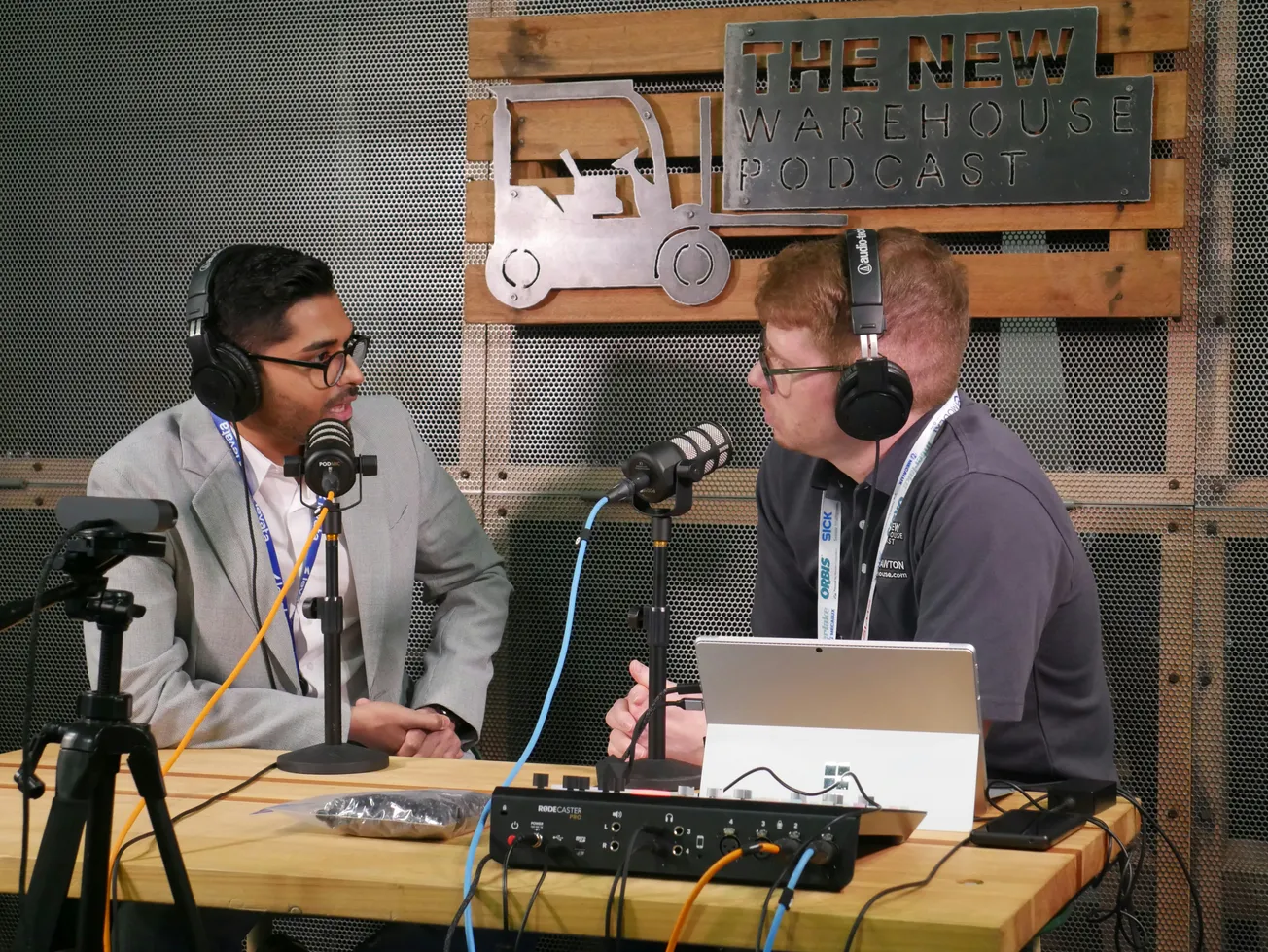
- Allowing Choice in Format: Students can demonstrate understanding through various mediums like videos, podcasts, or presentations, requiring creative decision-making about communication.
- Solving Open-Ended Problems: Authentic, unresolved challenges encourage students to analyze, test ideas, and adapt solutions, fostering deeper learning.
- Valuing Process: High-quality PBL emphasizes checkpoints, feedback, and revision, mirroring the iterative nature of creative development.
Principles of Project-Based Creative Learning
Effective project-based creative learning is built on several core principles:
- Student Ownership: Genuine control over project decisions increases motivation and encourages creative approaches to communication.
- Real-World Relevance: Connecting projects to life beyond the classroom provides purpose and encourages creative problem-solving, as real-world issues are rarely simple.
- Iteration and Feedback: Cycles of trying, revising, and improving, supported by feedback, are crucial for developing strong ideas over time.
- Reflection and Presentation: Analyzing choices, challenges, and growth makes thinking visible, while public sharing enhances clarity and impact.
Implementing Creative, Project-Based Learning
Educators can implement PBL through these steps:
- Define a Meaningful Problem or Question: Start with an open-ended, real-world challenge that invites investigation.
- Let Students Choose Expression: Allow students to decide how they demonstrate their learning, fostering ownership and creative communication.
- Build in Checkpoints and Feedback: Structure projects with stages for sharing drafts and receiving constructive input.
- Encourage Iteration, Not Perfection: Normalize revision as a key part of the learning process, allowing students to take creative risks.
- End with Reflection and Sharing: Conclude projects with opportunities for students to articulate their learning and share their work.
Assessing Creative Learning
Assessment in creative, project-based environments should focus on thinking, process, and growth. This includes:
- Process-Based Assessment: Evaluating planning, research, decision-making, and revision over time.
- Reflection as Grading: Incorporating student reflections on challenges, feedback, and learning into the assessment.
- Peer Feedback: Utilizing structured peer reviews to develop critical judgment and collaborative skills.