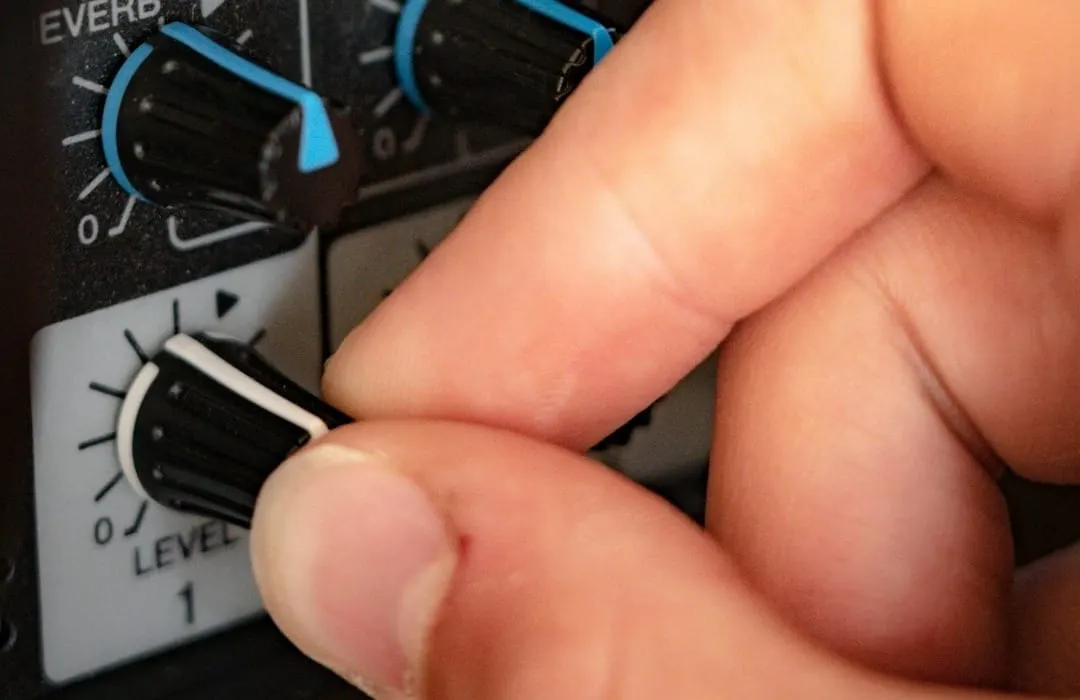


Achieving high-quality audio is paramount for engaging audiences in today's saturated content landscape. Whether producing a podcast, a marketing video, an educational tutorial, or an indie film, a well-mixed soundscape elevates your content significantly.
This guide explores fundamental audio mixing techniques to empower creators and businesses in delivering impactful, professional-grade sound that captivates listeners and viewers.
The Core Pillars of a Professional Audio Mix
A truly effective audio mix, regardless of its application, relies on a few universal characteristics. These principles ensure your message is heard clearly and your content leaves a lasting positive impression. Mastering these elements transforms raw recordings into polished productions.
Clarity and separation are crucial for a discernible audio experience. Each sonic element, from dialogue to background music and sound effects, should be distinct without muddiness or blurring. This allows listeners to easily follow spoken words and appreciate the nuances of your sound design.
Balance ensures a harmonious distribution of frequencies and levels across the stereo field. A mix that is too bass-heavy or overly bright can be fatiguing, while proper left-right balance prevents distraction. Creating adequate space within the mix allows elements to breathe, contributing to a more natural and engaging listening experience.
Laying the Foundation: Pre-Mix Preparations
The journey to a great mix begins long before faders are touched; it starts with the recording itself. High-quality source audio simplifies the mixing process and yields superior final results. Conversely, trying to "fix it in the mix" often leads to frustration and compromises the overall production.
Planning your mix during the recording phase is often an overlooked yet critical step. Consider the intended final sound when capturing audio for voiceovers, interviews, or video segments. Avoid unnecessary overdubs and keep the number of takes efficient to streamline post-production workflows.
Universal Mixing Practices for Any Project
Professional audio engineers employ several universal practices that benefit any audio project. These techniques help maintain objectivity and ensure a robust, audience-ready mix. Incorporating them into your workflow can dramatically improve your content's audio quality.
Always endeavor to mix with "fresh ears" to maintain accurate sound perception. Extended listening sessions at high volumes can lead to ear fatigue, skewing your judgment and leading to suboptimal mixing decisions. Regularly stepping away or lowering monitoring levels can provide valuable perspective.
Changing your listening perspective frequently is another vital practice. While your studio's "sweet spot" is important, checking your mix on different playback systems, like headphones, car stereos or phone speakers, reveals how your content translates across various environments. This ensures broad accessibility and consistent quality for your diverse audience.
- Periodically checking your mix in mono is essential for identifying potential phase issues, especially with stereo audio sources. This practice also flattens the sound, offering a different perspective on element separation and clarity. A mix that sounds clean and defined in mono will generally translate well to stereo playback.
- Understanding that low-frequency sounds typically work best when panned dead center is key. Their lack of directionality and significant energy contribution make a central placement ideal. This ensures a solid foundation for your audio, preventing an unbalanced or weak-sounding low end.
Sculpting Your Sonic Landscape: Elements in the Stereo Field
Strategic placement of audio elements within the stereo field helps create depth and maintain focus. For podcasts and video content, dialogue typically occupies the central position, ensuring clarity and directness. Other sonic layers, like music and sound effects, can then be artfully arranged around this core.
When incorporating background music or ambient soundscapes, use panning to add width without distracting from the main narrative. Gentle panning can make these elements feel expansive, yet subordinate to the primary dialogue. This technique enhances immersion without obscuring critical spoken information.
Advanced Techniques for Depth and Immersion
Beyond basic panning, techniques like subtle delays and reverbs can significantly enhance the sense of space and professionalism. Instead of merely panning, consider using a short delay (e.g., under 10 ms) on one side of an element with a touch of reverb on the delayed signal. This creates a more natural perception of ambience, simulating real-world sound propagation.
Asymmetrical mixing, where elements are intentionally offset rather than perfectly balanced, can add unique character and depth. However, it is crucial to ensure that at least some core elements, particularly dialogue, remain mono-compatible and centered. Piling up too many wide or reverbed tracks can quickly lead to a cluttered, indistinct sound, especially in a busy mix.
The Unwavering Importance of Your Ears
Ultimately, the most sophisticated tools and techniques are only as good as the ears guiding them. Learning to listen critically, not just to individual elements but to the overall sonic picture, is the most crucial skill for any content creator. Trust your perception and always prioritize what serves the content best.
Every mixing decision should enhance the story, message, or experience you aim to create. Experimentation and practice, guided by attentive listening, will continually refine your audio production skills. Your ears are your most invaluable tool in the quest for compelling, professional sound.
Source Material
- Original Source: Mixing in Stereo - Adding Width and Depth to Your Recordings
- 3 Ways To Get The Most Out Of Spatial Audio
- Get pocket-sized professional audio with the DJI Mic Mini under $50
- Precision Audio Extraction Made Simple: The New Era of Browser-Based Video Sound Tools
- The Podcast Show In London Was A ‘Really Big Show’
- Audio & Beyond Brings Funktion-One to India, Redefining the Future of Live Sound & Nightlife Culture